Acanthus
14 species in the reference · family Acanthaceae · 12 with a habitat climate · 13 grown, per iNaturalist, 1 not counted
Where Acanthus is native
| Greece | 4 |
|---|---|
| Turkey | 4 |
| Albania | 3 |
| Bangladesh | 3 |
| East Aegean Is. | 3 |
| Ethiopia | 3 |
| Lebanon-Syria | 3 |
| Myanmar | 3 |
| Thailand | 3 |
| Turkey-in-Europe | 3 |
| Vietnam | 3 |
| Yugoslavia | 3 |
Species native to each region. A species counts in every region it is native to. Native ranges: Kew's World Checklist of Vascular Plants (Govaerts et al., CC BY 4.0), file of 4 June 2026.
14 species
Acanthus
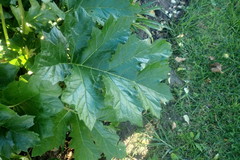 Acanthus mollis Bear's breech Photo: CC0, Di Turner
 Acanthus spinosus Spiny Bear's-breech Photo: CC BY, Lesley Marrion-Cole
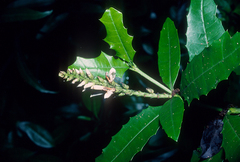 Acanthus ilicifolius Holly mangrove Photo: CC BY-SA, Douglas Goldman
 Acanthus montanus Mountain thistle Photo: CC BY-SA, Charles Stirton
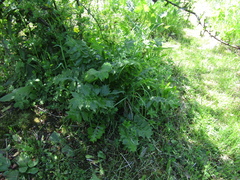 Acanthus hungaricus Hungarian Bear’s-Breeches Photo: CC BY, Oleksandr Shynder
 Acanthus polystachyus Bear's Breeches Photo: CC BY-SA, M Kriek
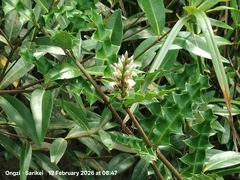 Acanthus ebracteatus Sea Holly Photo: CC BY, Ong Jyh Seng
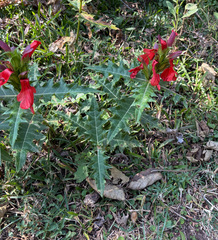 Acanthus sennii Ethiopian acanthus Photo: CC BY, avocat
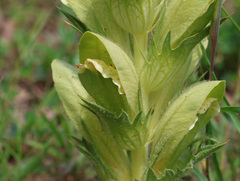 Acanthus hirsutus Syrian acanthus Photo: CC BY, Joey Bom
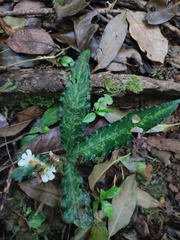 Acanthus leucostachyus Photo: CC BY, Dmitry Ivanov
Acanthus arboreus Photo: CC BY-SA, Aboalfotooh Yemen WILD life
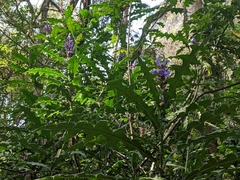 Acanthus eminens Photo: CC BY, Elliot Kulakow
 Acanthus dioscoridis Photo: CC BY-SA, Dûrzan Cîrano
 Acanthus caroli-alexandri Photo: CC BY, Kostas Zontanos
Grown: iNaturalist's observations of the species marked captive or cultivated; "not counted" where the species list does not count it. Native ranges: Kew's World Checklist of Vascular Plants (Govaerts et al., CC BY 4.0), file of 4 June 2026. Grown: iNaturalist's observations marked captive or cultivated, counted 17 October 2026 (the species list's count). Habitat climate known: the species page has a habitat climate, read from CHELSA's monthly climate and NASA POWER's daily extremes at its well-placed wild records inside Kew's native range; each page says its own sources and days. Record low: the lowest night in NASA POWER's daily series at the habitat's typical spot, as the species page gives it, held in °C to a tenth and shown in your units; each page says its own years and day read. Counts as the reference built on 19 November 2026 holds them. The CSV holds every result, not only this page's.