Acis
6 species in the reference · family Amaryllidaceae · 5 with a habitat climate · 4 grown, per iNaturalist, 2 not counted
About the genus
Acis and Galatea are characters from Greek mythology later associated together in Ovid's Metamorphoses. The episode tells of the love between the mortal Acis and the Nereid (sea-nymph) Galatea; when the jealous Cyclops Polyphemus kills Acis, Galatea transforms her lover into an immortal river spirit. The episode was made the subject of poems, operas, paintings, and statues in the Renaissance and after.
Quoted from Wikipedia, "Acis and Galatea", its opening paragraph, revision 1374139723, read 2026-11-08, CC BY-SA 4.0.
Where Acis is native
| Morocco | 3 |
|---|---|
| Spain | 3 |
| Portugal | 2 |
| Sardegna | 2 |
| Algeria | 1 |
| Baleares | 1 |
| Corse | 1 |
| France | 1 |
| Sicilia | 1 |
| Tunisia | 1 |
Species native to each region. A species counts in every region it is native to. Native ranges: Kew's World Checklist of Vascular Plants (Govaerts et al., CC BY 4.0), file of 4 June 2026.
6 species
Acis
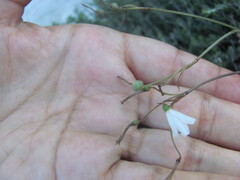 Acis autumnalis Autumn Snowflake Photo: CC BY, zebedeugalinha
 Acis trichophylla Photo: CC BY, Duarte Frade
 Acis tingitana Photo: CC BY, Averater
 Acis valentina Photo: CC BY-SA, Meneerke bloem
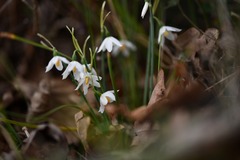 Acis nicaeensis French Snowflake Photo: CC BY, Flavien Saboureau
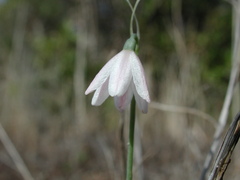 Acis rosea Pink Snowflake Photo: CC BY, Alain Le Magueresse
Grown: iNaturalist's observations of the species marked captive or cultivated; "not counted" where the species list does not count it. Native ranges: Kew's World Checklist of Vascular Plants (Govaerts et al., CC BY 4.0), file of 4 June 2026. Grown: iNaturalist's observations marked captive or cultivated, counted 17 October 2026 (the species list's count). Habitat climate known: the species page has a habitat climate, read from CHELSA's monthly climate and NASA POWER's daily extremes at its well-placed wild records inside Kew's native range; each page says its own sources and days. Record low: the lowest night in NASA POWER's daily series at the habitat's typical spot, as the species page gives it, held in °C to a tenth and shown in your units; each page says its own years and day read. Counts as the reference built on 19 November 2026 holds them. The CSV holds every result, not only this page's.