Agave
234 species in the reference · family Asparagaceae · 139 with a habitat climate · 122 grown, per iNaturalist, 112 not counted
About the genus
Agave (also UK: ; Anglo-Hispanic, also US: ) is a genus of monocots native to the arid regions of the Americas. The genus is primarily known for its succulent and xerophytic species that typically form large rosettes of strong, fleshy leaves.
Quoted from Wikipedia, "Agave", its opening paragraph, revision 1382620164, read 2026-11-08, CC BY-SA 4.0.
Where Agave is native
| Mexico Southwest | 79 |
|---|---|
| Mexico Northeast | 54 |
| Mexico Northwest | 51 |
| Mexico Central | 31 |
| Mexico Gulf | 19 |
| Arizona | 17 |
| Mexico Southeast | 17 |
| Cuba | 16 |
| Guatemala | 12 |
| Bahamas | 9 |
| Texas | 9 |
| Aruba | 6 |
Species native to each region. A species counts in every region it is native to. Native ranges: Kew's World Checklist of Vascular Plants (Govaerts et al., CC BY 4.0), file of 4 June 2026.
234 species
Agave
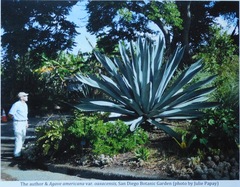 Agave americana Century-plant Photo: CC BY, Michael J. Papay
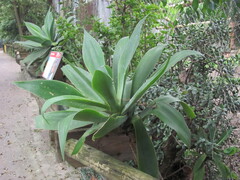 Agave attenuata Fox tail agave Photo: CC BY, zebedeugalinha
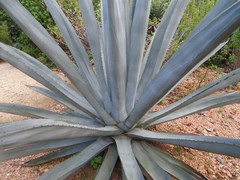 Agave angustifolia Century plant Photo: CC BY, Leonel Roget
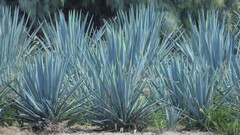 Agave tequilana Tequila agave Photo: CC BY-SA, Oscar Alejandro Morales Juárez
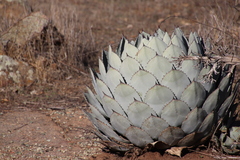 Agave parryi Parry's agave Photo: CC BY, Millie Basden
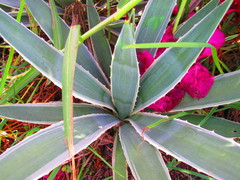 Agave vivipara Photo: CC BY-SA, Oscar Alejandro Morales Juárez
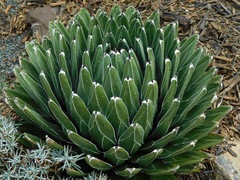 Agave victoriae-reginae Royal agave Photo: CC BY, Michael J. Papay
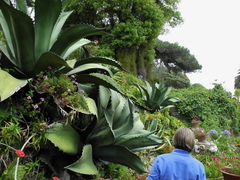 Agave salmiana Giant Century Plant Photo: CC BY, Michael J. Papay
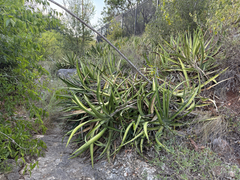 Agave lophantha Lechuguilla Photo: CC BY, Reid Hardin
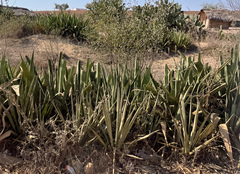 Agave sisalana Sisal hemp Photo: CC BY, avocat
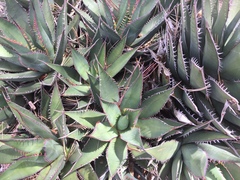 Agave shawii Shaw's agave Photo: CC0, Amanda Beck - Beck Bio
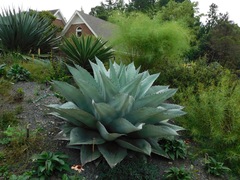 Agave ovatifolia Whale's Tongue Agave Photo: CC BY, Michael J. Papay
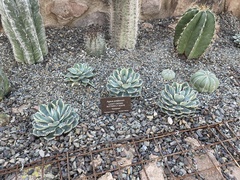 Agave potatorum Butterfly Agave Photo: CC BY, CK2AZ
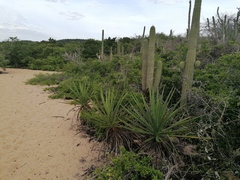 Agave karwinskii Photo: CC BY, Carlos Domínguez-Rodríguez
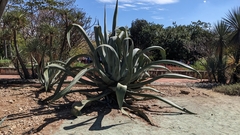 Agave mapisaga Photo: CC BY-SA, Yu
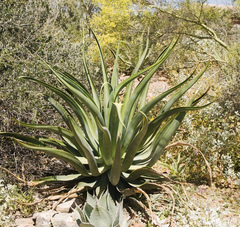 Agave vilmoriniana Octopus Plant Photo: CC BY, Seig
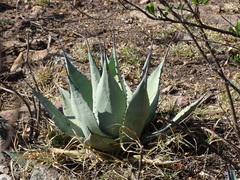 Agave applanata Photo: CC BY, Alexis López Hernández
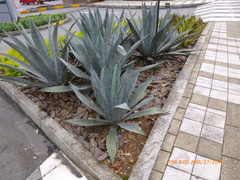 Agave deserti Desert agave Photo: CC BY, Daniel A. Monsalve Ortiz
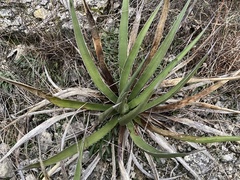 Agave lechuguilla Lecheguilla Agave Photo: CC BY, Reid Hardin
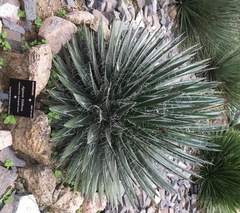 Agave filifera Thread agave Photo: CC BY-SA, Ignacio March Mifsut
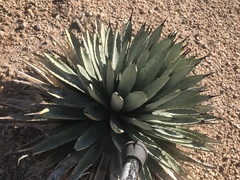 Agave macroacantha Black-spined agave Photo: CC BY, CK2AZ
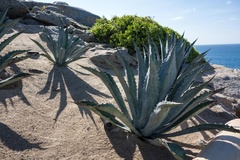 Agave asperrima Rough century plant Photo: CC BY-SA, Dan Harville
 Agave weberi Weber's century plant Photo: CC0, AgustinGVV
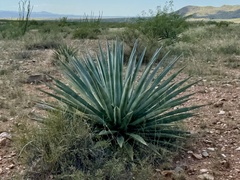 Agave palmeri Palmer agave Photo: CC BY, CK2AZ
 Agave fourcroydes Mexican sisal Photo: CC BY-SA, Colin Meurk
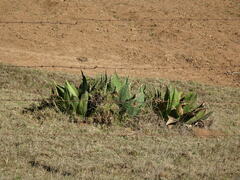 Agave inaequidens Photo: CC BY, Ricardo Betancourt Sánchez
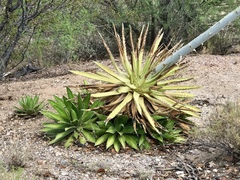 Agave xylonacantha Century plant Photo: CC BY, CK2AZ
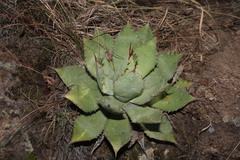 Agave maximiliana Photo: CC BY-SA, bungaosam83_second
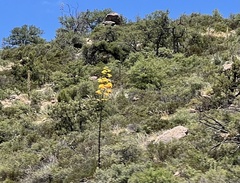 Agave chrysantha Golden-flowered Agave Photo: CC BY, Sue Ann Kendall
 Agave mitis Mitis Agave Photo: CC BY, Duarte Frade
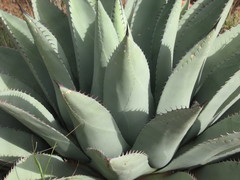 Agave havardiana Havard agave Photo: CC BY, johnyochum
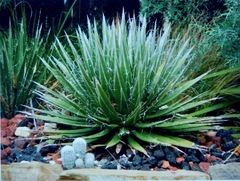 Agave schidigera Thread-leaf Agave Photo: CC BY, Michael J. Papay
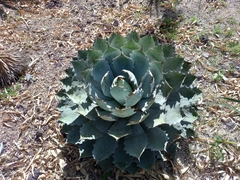 Agave guadalajarana Photo: CC BY, Carlos Martínez
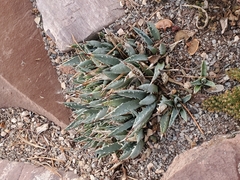 Agave utahensis Utah agave Photo: CC BY, Trevor Harding
 Agave geminiflora Twin-flowered Agave Photo: CC BY-SA, Dante S. Figueroa
 Agave atrovirens Pulque agave Photo: CC BY, Neal Kelso
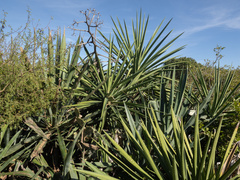 Agave decipiens False sisal Photo: CC BY-SA, Turner Brockman
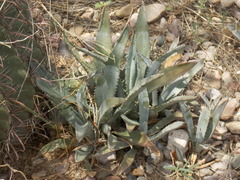 Agave murpheyi Hohokam agave Photo: CC BY-SA, Eliseo D Moreno
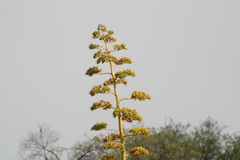 Agave marmorata Photo: CC BY, Carlos Domínguez-Rodríguez
 Agave guiengola Photo: CC BY, Montrealais
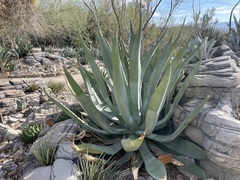 Agave aurea Baja California Sur Century Agave Photo: CC BY-SA, lejones417
 Agave obscura Century Plant Photo: CC BY, Adrianh M. Orozco
 Agave seemanniana Photo: CC BY, Leonel Roget
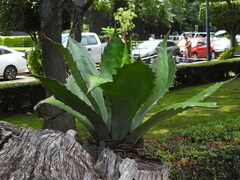 Agave cupreata Photo: CC BY-SA, Oscar Alejandro Morales Juárez
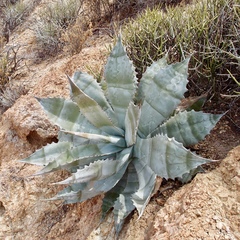 Agave colorata Photo: CC BY, Sue Carnahan
 Agave titanota Photo: CC BY-SA, Krzysztof Ziarnek, Kenraiz
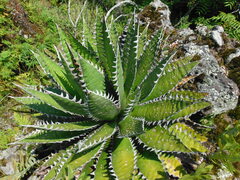 Agave horrida Photo: CC BY, Alexis López Hernández
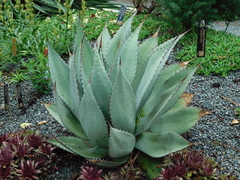 Agave flexispina Photo: CC BY, Michael J. Papay
Grown: iNaturalist's observations of the species marked captive or cultivated; "not counted" where the species list does not count it. Native ranges: Kew's World Checklist of Vascular Plants (Govaerts et al., CC BY 4.0), file of 4 June 2026. Grown: iNaturalist's observations marked captive or cultivated, counted 17 October 2026 (the species list's count). Habitat climate known: the species page has a habitat climate, read from CHELSA's monthly climate and NASA POWER's daily extremes at its well-placed wild records inside Kew's native range; each page says its own sources and days. Record low: the lowest night in NASA POWER's daily series at the habitat's typical spot, as the species page gives it, held in °C to a tenth and shown in your units; each page says its own years and day read. Counts as the reference built on 19 November 2026 holds them. The CSV holds every result, not only this page's.