Alstonia
9 species in the reference · family Apocynaceae · 8 with a habitat climate · 8 grown, per iNaturalist, 1 not counted
About the genus
Alstonia is a widespread genus of evergreen trees and shrubs, of the family Apocynaceae. It was named by Robert Brown in 1811, after Charles Alston (1685–1760), professor of botany at Edinburgh from 1716 to 1760.
Quoted from Wikipedia, "Alstonia", its opening paragraph, revision 1368991766, read 2026-11-08, CC BY-SA 4.0.
Where Alstonia is native
| Borneo | 4 |
|---|---|
| Jawa | 4 |
| Malaya | 4 |
| New Guinea | 4 |
| Sumatera | 4 |
| Thailand | 4 |
| Andaman Is. | 3 |
| Cambodia | 3 |
| China South-Central | 3 |
| China Southeast | 3 |
| Maluku | 3 |
| Philippines | 3 |
Species native to each region. A species counts in every region it is native to. Native ranges: Kew's World Checklist of Vascular Plants (Govaerts et al., CC BY 4.0), file of 4 June 2026.
9 species
Alstonia
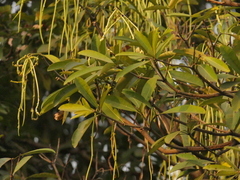 Alstonia scholaris Blackboard Tree Photo: CC BY, Sagnik Dutta Roy
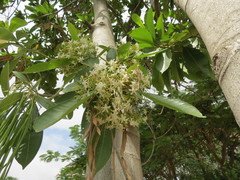 Alstonia macrophylla Devil-tree Photo: CC0, Ajit Ampalakkad
 Alstonia angustiloba Photo: CC BY, Steven Bodzin
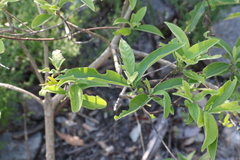 Alstonia constricta Photo: CC BY-SA, Greg Tasney
- no open photograph on file Alstonia spatulata Hard milkwood
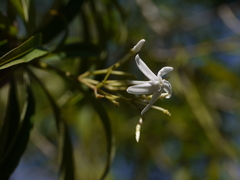 Alstonia venenata Venenous Alstonia Photo: CC BY-SA, Dinesh Valke
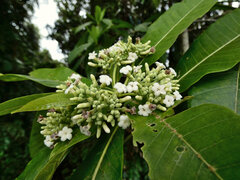 Alstonia spectabilis Hard alstonia Photo: CC BY-SA, Steve Fitzgerald
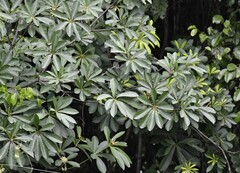 Alstonia boonei Cheesewood Photo: CC BY, Zac Peterson
 Alstonia yunnanensis Photo: CC BY-SA, 阿橋 HQ
Grown: iNaturalist's observations of the species marked captive or cultivated; "not counted" where the species list does not count it. Native ranges: Kew's World Checklist of Vascular Plants (Govaerts et al., CC BY 4.0), file of 4 June 2026. Grown: iNaturalist's observations marked captive or cultivated, counted 17 October 2026 (the species list's count). Habitat climate known: the species page has a habitat climate, read from CHELSA's monthly climate and NASA POWER's daily extremes at its well-placed wild records inside Kew's native range; each page says its own sources and days. Record low: the lowest night in NASA POWER's daily series at the habitat's typical spot, as the species page gives it, held in °C to a tenth and shown in your units; each page says its own years and day read. Counts as the reference built on 19 November 2026 holds them. The CSV holds every result, not only this page's.