Asclepias
49 species in the reference · family Apocynaceae · 49 with a habitat climate · 49 grown, per iNaturalist
About the genus
Asclepias is a genus of herbaceous, perennial, flowering plants known as milkweeds, named for their latex, a milky substance containing cardiac glycosides termed cardenolides, exuded where cells are damaged. Most species are toxic to humans and many other species, primarily due to the presence of cardenolides. However, as with many such plants, some species feed upon milkweed leaves or the nectar from their flowers. A noteworthy feeder on milkweeds is the monarch butterfly, which uses and requires certain milkweeds as host plants for its larvae.
Quoted from Wikipedia, "Asclepias", its opening paragraph, revision 1382932723, read 2026-11-08, CC BY-SA 4.0.
Where Asclepias is native
| Texas | 23 |
|---|---|
| Oklahoma | 19 |
| Arizona | 18 |
| Kansas | 18 |
| Mexico Northeast | 17 |
| Illinois | 16 |
| Missouri | 16 |
| Alabama | 15 |
| Georgia | 15 |
| Indiana | 15 |
| Iowa | 15 |
| Mexico Northwest | 15 |
Species native to each region. A species counts in every region it is native to. Native ranges: Kew's World Checklist of Vascular Plants (Govaerts et al., CC BY 4.0), file of 4 June 2026.
49 species
Asclepias
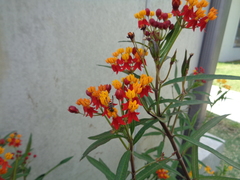 Asclepias curassavica Bloodflower Photo: CC BY, Zazil Dellamary
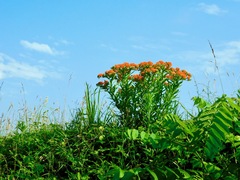 Asclepias tuberosa Butterfly milkweed Photo: CC BY, Michael J. Papay
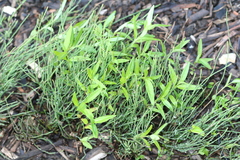 Asclepias incarnata Swamp milkweed Photo: CC BY, Randy A Nonenmacher
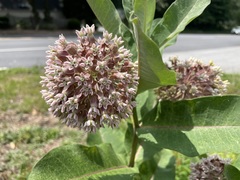 Asclepias syriaca Common milkweed Photo: CC BY-SA, lejones417
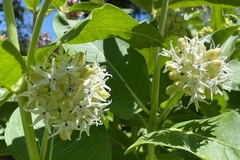 Asclepias speciosa Showy milkweed Photo: CC BY, Brad Grimm
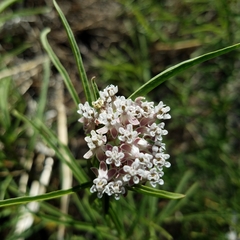 Asclepias fascicularis Mexican milkweed Photo: CC0, Ellen Watrous
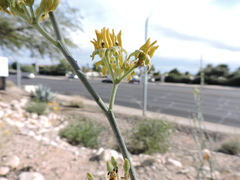 Asclepias subulata Rush milkweed Photo: CC BY, Sam Kieschnick
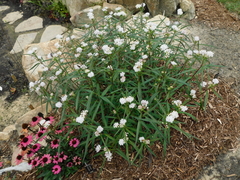 Asclepias perennis Smooth-seed milkweed Photo: CC BY, Michael J. Papay
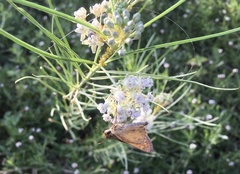 Asclepias verticillata Whorled milkweed Photo: CC BY, Emily Geest
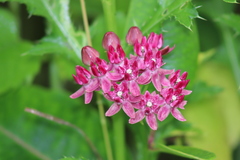 Asclepias purpurascens Purple milkweed Photo: CC BY, Lisa Wiencek Gerbec
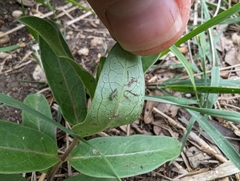 Asclepias viridis Green antelope-horn Photo: CC BY, Cleveland Powell
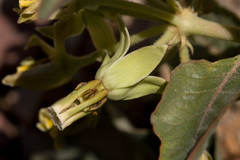 Asclepias oenotheroides Side-cluster milkweed Photo: CC0, Cecelia Alexander
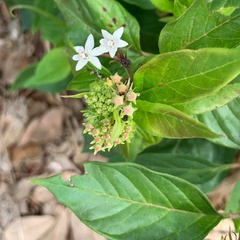 Asclepias texana Texas milkweed Photo: CC0, Nancy Masterson
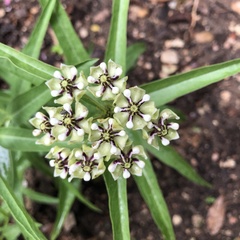 Asclepias asperula Antelope horns Photo: CC BY, Clifton Ladd, C.W.B.
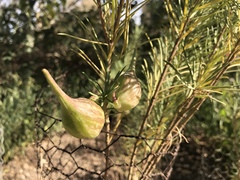 Asclepias linaria Pine-needle milkweed Photo: CC BY, Brad Grimm
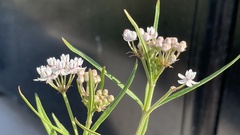 Asclepias angustifolia Arizona milkweed Photo: CC BY, Brad Grimm
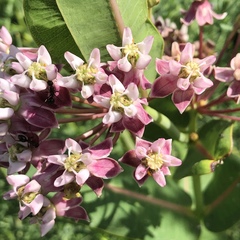 Asclepias sullivantii Prairie milkweed Photo: CC0, Tommy
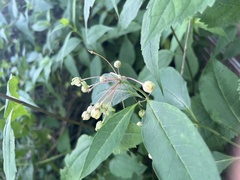 Asclepias exaltata Poke milkweed Photo: CC BY, sblumen
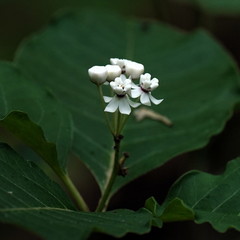 Asclepias variegata Red-ring milkweed Photo: CC BY, Daniel S. Katz
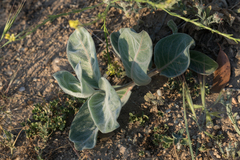 Asclepias eriocarpa Indian milkweed Photo: CC0, Jesse Rorabaugh
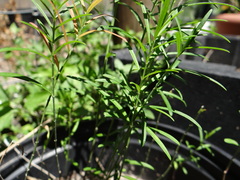 Asclepias linearis Slim milkweed Photo: CC BY, Cat
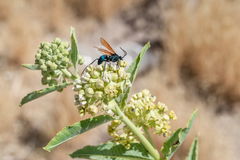 Asclepias erosa Desert milkweed Photo: CC BY, Dominic Gentilcore
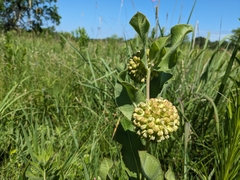 Asclepias viridiflora Green milkweed Photo: CC0, tschro
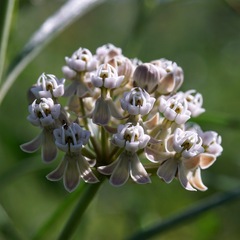 Asclepias subverticillata Poison milkweed Photo: CC BY, Andrew Tree
 Asclepias californica California milkweed Photo: CC BY, Matthew Mosher
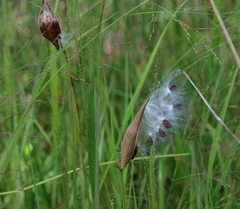 Asclepias lanceolata Fewflower milkweed Photo: CC BY, Lauren McLaurin
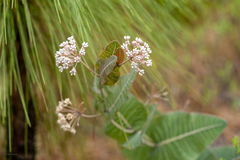 Asclepias humistrata Sandhill milkweed Photo: CC BY, evangrimes
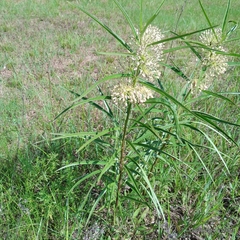 Asclepias hirtella Prairie milkweed Photo: CC BY, Bryce
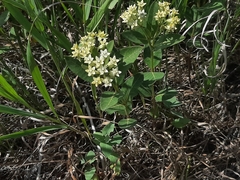 Asclepias ovalifolia Oval-leaved milkweed Photo: CC0, tonyblake
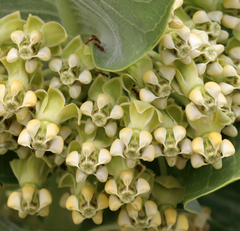 Asclepias latifolia Broadleaf milkweed Photo: CC BY, Catherine C. Galley
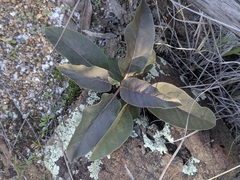 Asclepias nyctaginifolia Mojave milkweed Photo: CC BY, Marie Domokos
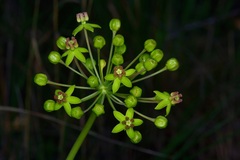 Asclepias amplexicaulis Blunt-leaf milkweed Photo: CC BY, Michelle W. (鍾偉瑋)
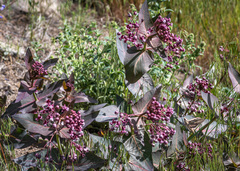 Asclepias cordifolia Purple milkweed Photo: CC BY, Tim Messick
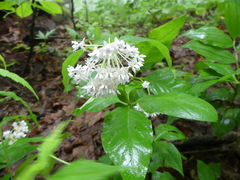 Asclepias quadrifolia Four-leaf milkweed Photo: CC BY, botanygirl
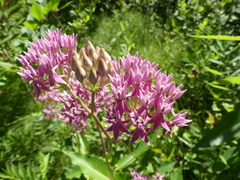 Asclepias rubra Red milkweed Photo: CC BY, botanygirl
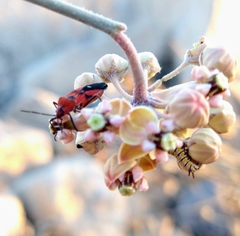 Asclepias albicans White-Stem milkweed Photo: CC BY, Abraham Sánchez Romero
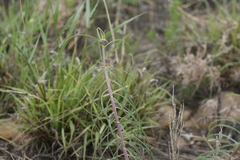 Asclepias engelmanniana Engelmann's milkweed Photo: CC0, Joshua Smith
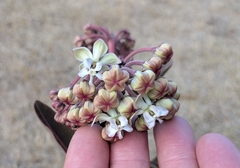 Asclepias glaucescens Nodding milkweed Photo: CC BY, Delano
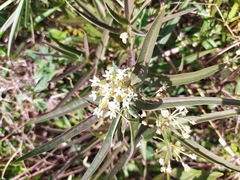 Asclepias mellodora Photo: CC BY, Mariano Cosentino
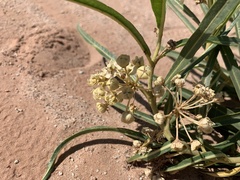 Asclepias labriformis Labriformis milkweed Photo: CC BY, Zach Earl
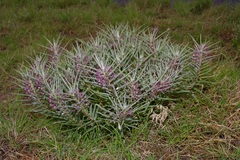 Asclepias brachystephana Shortcrown milkweed Photo: CC BY, Michelle W. (鍾偉瑋)
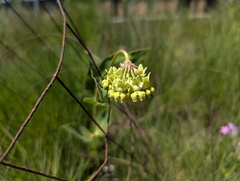 Asclepias meadii Mead's milkweed Photo: CC BY, Ryan Sorrells
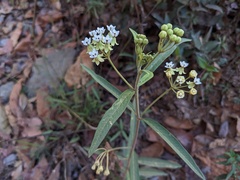 Asclepias nivea Caribbean milkweed Photo: CC BY, Zac Peterson
 Asclepias prostrata Prostrate milkweed Photo: CC BY, Sam Kieschnick
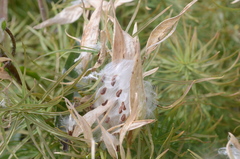 Asclepias pumila Dwarf milkweed Photo: CC BY, Gabriel Campbell-Martinez
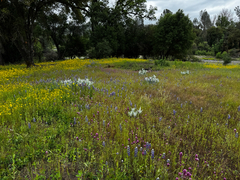 Asclepias vestita Woolly milkweed Photo: CC BY, wonton_soup
 Asclepias cryptoceras Humboldt Mountains milkweed Photo: CC BY-SA, kweitemier
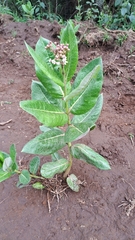 Asclepias scheryi Photo: CC BY, Gustavo ZaRo
Grown: iNaturalist's observations of the species marked captive or cultivated; "not counted" where the species list does not count it. Native ranges: Kew's World Checklist of Vascular Plants (Govaerts et al., CC BY 4.0), file of 4 June 2026. Grown: iNaturalist's observations marked captive or cultivated, counted 17 October 2026 (the species list's count). Habitat climate known: the species page has a habitat climate, read from CHELSA's monthly climate and NASA POWER's daily extremes at its well-placed wild records inside Kew's native range; each page says its own sources and days. Record low: the lowest night in NASA POWER's daily series at the habitat's typical spot, as the species page gives it, held in °C to a tenth and shown in your units; each page says its own years and day read. Counts as the reference built on 19 November 2026 holds them. The CSV holds every result, not only this page's.