Bignonia
5 species in the reference · family Bignoniaceae · 5 with a habitat climate · 5 grown, per iNaturalist
About the genus
Bignonia is a genus of flowering plants in the family Bignoniaceae. Its genus and family were named after Jean-Paul Bignon by his protégé Joseph Pitton de Tournefort in 1694, and the genus was established as part of modern botanical nomenclature in 1753 by Carl Linnaeus. Species have been recorded in a range extending from southern USA and Mexico to most of South America.
Quoted from Wikipedia, "Bignonia", its opening paragraph, revision 1315811036, read 2026-11-08, CC BY-SA 4.0.
Where Bignonia is native
| Bolivia | 3 |
|---|---|
| Colombia | 3 |
| Ecuador | 3 |
| Panama | 3 |
| Venezuela | 3 |
| Brazil North | 2 |
| Brazil Northeast | 2 |
| Brazil West-Central | 2 |
| Costa Rica | 2 |
| French Guiana | 2 |
| Guyana | 2 |
| Honduras | 2 |
Species native to each region. A species counts in every region it is native to. Native ranges: Kew's World Checklist of Vascular Plants (Govaerts et al., CC BY 4.0), file of 4 June 2026.
5 species
Bignonia
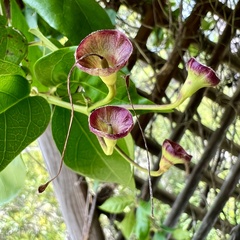 Bignonia capreolata Crossvine Photo: CC BY, Laura Clark
 Bignonia callistegioides Argentine trumpetvine Photo: CC BY-SA, Guilherme Cameis Freda
 Bignonia magnifica Glow Vine Photo: CC BY, José Belem Hernández Díaz
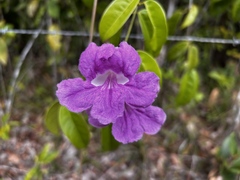 Bignonia corymbosa Photo: CC BY-SA, vitordematos12
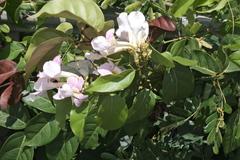 Bignonia aequinoctialis Garlicvine Photo: CC BY, fmunoz
Grown: iNaturalist's observations of the species marked captive or cultivated; "not counted" where the species list does not count it. Native ranges: Kew's World Checklist of Vascular Plants (Govaerts et al., CC BY 4.0), file of 4 June 2026. Grown: iNaturalist's observations marked captive or cultivated, counted 17 October 2026 (the species list's count). Habitat climate known: the species page has a habitat climate, read from CHELSA's monthly climate and NASA POWER's daily extremes at its well-placed wild records inside Kew's native range; each page says its own sources and days. Record low: the lowest night in NASA POWER's daily series at the habitat's typical spot, as the species page gives it, held in °C to a tenth and shown in your units; each page says its own years and day read. Counts as the reference built on 19 November 2026 holds them. The CSV holds every result, not only this page's.