Calceolaria
35 species in the reference · family Calceolariaceae · 34 with a habitat climate · 23 grown, per iNaturalist, 12 not counted
About the genus
Calceolaria, also called lady's purse, slipper flower and pocketbook flower, or slipperwort, is a genus of plants in the family Calceolariaceae, though classified in Scrophulariaceae by some authors. This genus consists of about 269 species of shrubs, lianas and herbs, and the geographical range extends from Patagonia to central Mexico, with its distribution centre in Andean region. Calceolaria species have usually yellow or orange flowers, which can have red or purple spots. The Calceolaria Herbeohybrida group, also called C. herbeohybrida Voss, is a group of ornamental hybrids known only in cultivation, called florists' slipperwort.
Quoted from Wikipedia, "Calceolaria", its opening paragraph, revision 1332201709, read 2026-11-08, CC BY-SA 4.0.
Where Calceolaria is native
| Chile Central | 22 |
|---|---|
| Argentina South | 10 |
| Chile South | 10 |
| Ecuador | 8 |
| Peru | 7 |
| Argentina Northwest | 6 |
| Chile North | 5 |
| Colombia | 4 |
| Bolivia | 3 |
| Costa Rica | 2 |
| Falkland Is. | 2 |
| Guatemala | 2 |
Species native to each region. A species counts in every region it is native to. Native ranges: Kew's World Checklist of Vascular Plants (Govaerts et al., CC BY 4.0), file of 4 June 2026.
35 species
Calceolaria
 Calceolaria integrifolia Bush slipperwort Photo: CC BY-SA, Nicolás Villaseca Merino
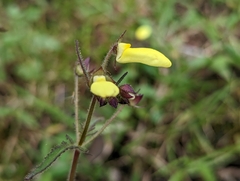 Calceolaria tripartita Gold purse Photo: CC BY, Attila Oláh
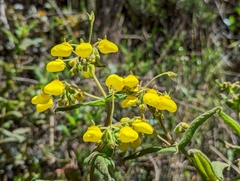 Calceolaria crenata Photo: CC BY, Attila Oláh
 Calceolaria crenatiflora Photo: CC BY, aacocucci
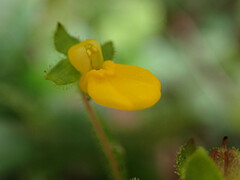 Calceolaria mexicana Mexican calceolaria Photo: CC BY, Madeleine Claire
 Calceolaria corymbosa Photo: CC BY, Nicolás Lavandero
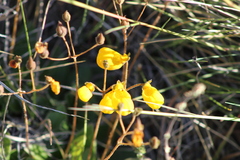 Calceolaria biflora Photo: CC0, demianlescano
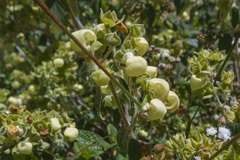 Calceolaria sericea Photo: CC BY, Frank Dietze
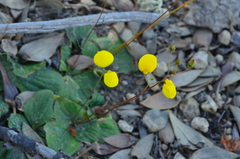 Calceolaria filicaulis Photo: CC BY, Lauu
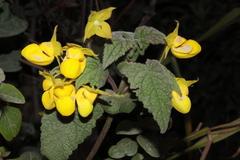 Calceolaria pavonii Photo: CC BY, Paúl Gonzáles
 Calceolaria uniflora Photo: CC BY, dhfischer
- no open photograph on file Calceolaria rosmarinifolia
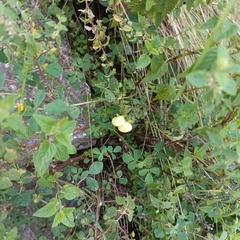 Calceolaria sparsiflora Photo: CC0, Luciana
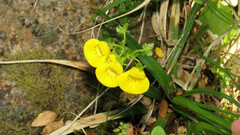 Calceolaria tenella Photo: CC BY, Ariadna Tripaldi
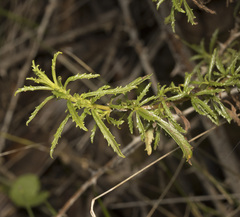 Calceolaria thyrsiflora Photo: CC BY, Pablo Silva
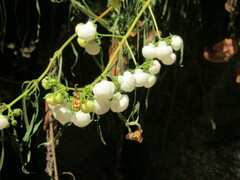 Calceolaria alba Photo: CC BY, Bruno Avilez
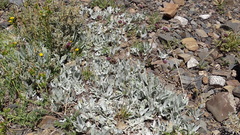 Calceolaria arachnoidea Photo: CC BY, Jorge Muñoz Camadro
 Calceolaria ascendens Photo: CC BY-SA, Tony Rebelo
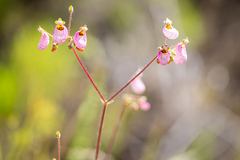 Calceolaria cana Photo: CC BY-SA, Nicolás Villaseca Merino
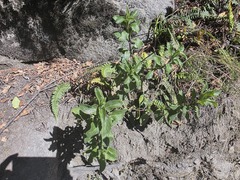 Calceolaria dentata Photo: CC BY, Cesar Ormazabal
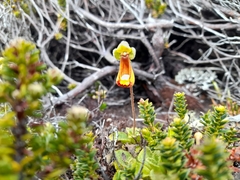 Calceolaria fothergillii Lady's Slipper Photo: CC BY, Flavien Saboureau
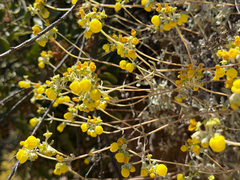 Calceolaria polifolia Photo: CC BY, Cody Hinchliff
 Calceolaria polyrhiza Photo: CC BY, Paul Prior
 Calceolaria andina Photo: CC BY-SA, Michael Wolf
 Calceolaria cavanillesii Photo: CC BY, aacocucci
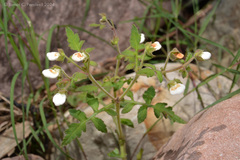 Calceolaria chelidonioides Slipperwort Photo: CC BY, Tomás Carranza Perales
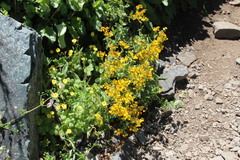 Calceolaria glandulosa Photo: CC BY, Cesar Ormazabal
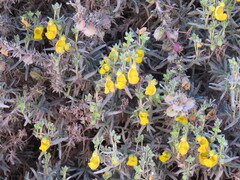 Calceolaria hypericina Photo: CC BY-SA, Cecilia Briceño
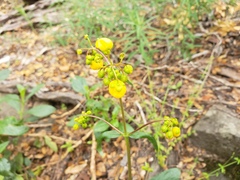 Calceolaria meyeniana Photo: CC BY, Cesar Ormazabal
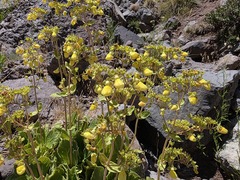 Calceolaria paralia Photo: CC BY, Cesar Ormazabal
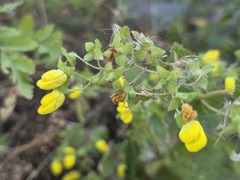 Calceolaria petioalaris Photo: CC BY, Cesar Ormazabal
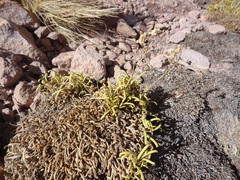 Calceolaria pinifolia Photo: CC BY, Álvaro Parra Valdivia
 Calceolaria pinnata Photo: CC BY, Paúl Gonzáles
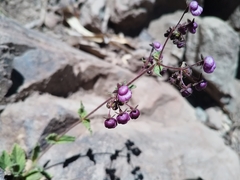 Calceolaria purpurea Photo: CC0, Nutri Gabi Barrera
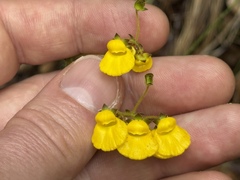 Calceolaria valdiviana Photo: CC BY, Cody Hinchliff
Grown: iNaturalist's observations of the species marked captive or cultivated; "not counted" where the species list does not count it. Native ranges: Kew's World Checklist of Vascular Plants (Govaerts et al., CC BY 4.0), file of 4 June 2026. Grown: iNaturalist's observations marked captive or cultivated, counted 17 October 2026 (the species list's count). Habitat climate known: the species page has a habitat climate, read from CHELSA's monthly climate and NASA POWER's daily extremes at its well-placed wild records inside Kew's native range; each page says its own sources and days. Record low: the lowest night in NASA POWER's daily series at the habitat's typical spot, as the species page gives it, held in °C to a tenth and shown in your units; each page says its own years and day read. Counts as the reference built on 19 November 2026 holds them. The CSV holds every result, not only this page's.