Carex
302 species in the reference · family Cyperaceae · 295 with a habitat climate · 270 grown, per iNaturalist, 32 not counted
About the genus
Carex is a vast genus of over 2,000 species of grass-like plants in the family Cyperaceae, commonly known as sedges (or seg, in older books). Other members of the family Cyperaceae are also called sedges; however, those of genus Carex may be called true sedges. Carex is the most species-rich genus in the family. The study of Carex is known as caricology.
Quoted from Wikipedia, "Carex", its opening paragraph, revision 1377724525, read 2026-11-08, CC BY-SA 4.0.
Where Carex is native
| Ontario | 123 |
|---|---|
| Michigan | 110 |
| New York | 108 |
| Québec | 106 |
| Minnesota | 100 |
| Pennsylvania | 99 |
| Wisconsin | 99 |
| France | 98 |
| Ohio | 98 |
| Italy | 97 |
| Illinois | 96 |
| Indiana | 96 |
Species native to each region. A species counts in every region it is native to. Native ranges: Kew's World Checklist of Vascular Plants (Govaerts et al., CC BY 4.0), file of 4 June 2026.
302 species
Carex
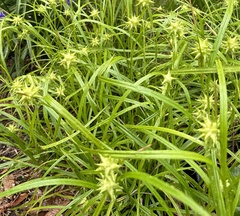 Carex grayi Gray's sedge Photo: CC BY, Julia Bales
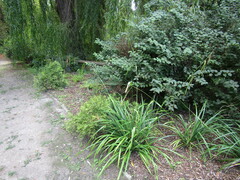 Carex pendula Pendulous sedge Photo: CC BY, Oleksandr Shynder
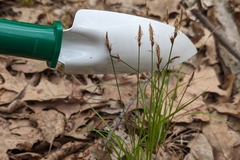 Carex pensylvanica Pennsylvania sedge Photo: CC BY, Kailey Alderfer
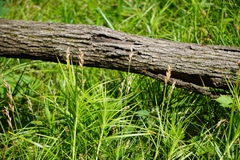 Carex muskingumensis Muskingum sedge Photo: CC BY-SA, Mike B
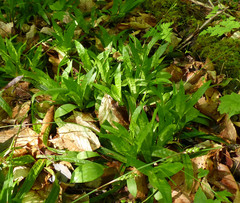 Carex plantaginea Plantain-leaved sedge Photo: CC BY-SA, CatherineK
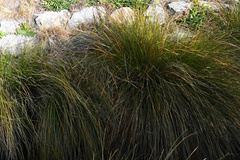 Carex secta Makura Photo: CC BY, Jon Sullivan
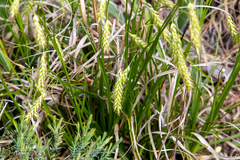 Carex cherokeensis Cherokee sedge Photo: CC BY, Jay Brasher
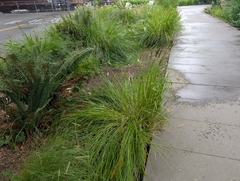 Carex vulpinoidea American fox-sedge Photo: CC BY, Zachary M.C.
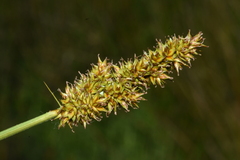 Carex densa Dense sedge Photo: CC BY, Gabriel Campbell-Martinez
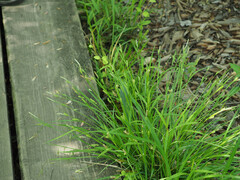 Carex blanda Woodland sedge Photo: CC0, mefisher
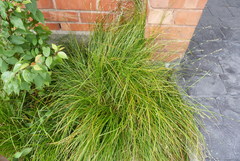 Carex divulsa Grassland sedge Photo: CC BY-SA, Colin Meurk
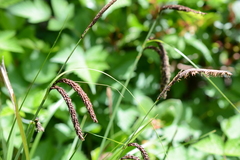 Carex obnupta Slough sedge Photo: CC BY, Alison Northup
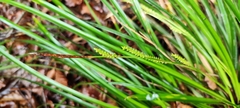 Carex morrowii Japanese sedge Photo: CC BY, Santiago Martín-Bravo
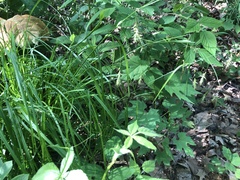 Carex sprengelii Sprengel's sedge Photo: CC BY-SA, Mike B
 Carex oshimensis Evergold Sedge Photo: CC BY, Marco Mussita
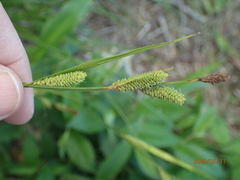 Carex stricta Upright sedge Photo: CC BY, John Baur
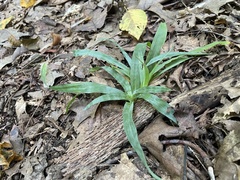 Carex platyphylla Broad-leaved sedge Photo: CC BY, Chase Mathey
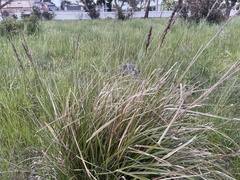 Carex appressa Tall Sedge Photo: CC BY, Dylan Wishart
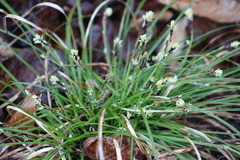 Carex pedunculata Longstalk sedge Photo: CC0, Jackson Kusack
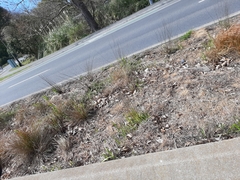 Carex testacea Copper Hair Sedge Photo: CC BY-SA, Colin Meurk
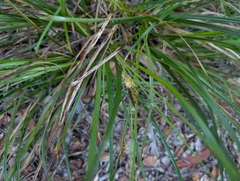 Carex wahuensis Oahu sedge Photo: CC0, Damien Wallace
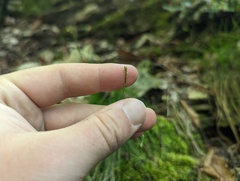 Carex eburnea Bristle-leaved sedge Photo: CC BY, Ryan Sorrells
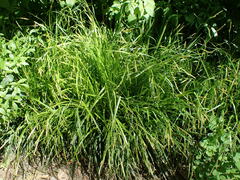 Carex sylvatica Wood-sedge Photo: CC BY, Sascha Nunheim
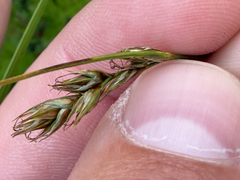 Carex tumulicola Splitawn sedge Photo: CC BY, Noah How
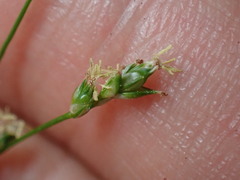 Carex appalachica Appalachian sedge Photo: CC BY, W Rao
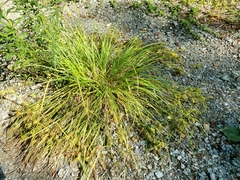 Carex lurida Sallow sedge Photo: CC BY, Alex Zorach
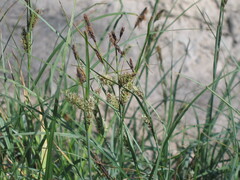 Carex flacca Glaucous sedge Photo: CC BY, zebedeugalinha
 Carex glaucodea Blue sedge Photo: CC BY, Asher P Higgins
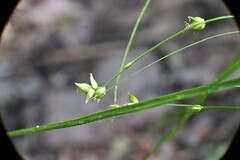 Carex radiata Eastern star sedge Photo: CC BY, Rostyslav Yurechko
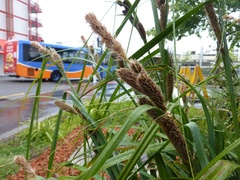 Carex trifida Sword Grass Photo: CC BY, Jon Sullivan
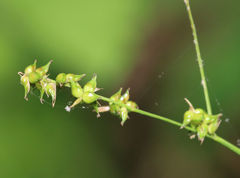 Carex rosea Rosy sedge Photo: CC BY, hr_dragonfly
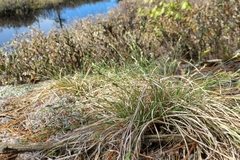 Carex albicans White-tinged sedge Photo: CC BY, Quinten Wiegersma
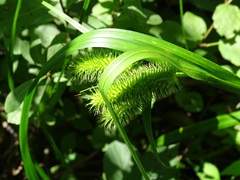 Carex comosa Bristly sedge Photo: CC0, Reuven Martin
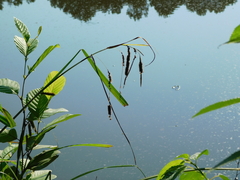 Carex crinita Fringed sedge Photo: CC BY, Michael J. Papay
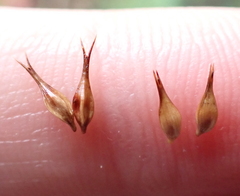 Carex pseudocyperus Cyperus sedge Photo: CC BY, Steven Lamonde
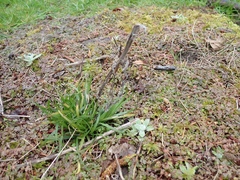 Carex leptopoda Short-scale sedge Photo: CC BY, John Brew
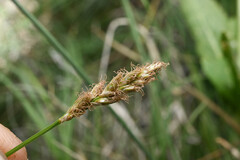 Carex praegracilis Clustered field sedge Photo: CC BY, Anders Hastings
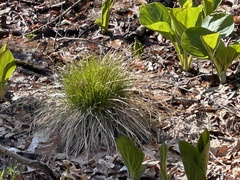 Carex bromoides Brome-like sedge Photo: CC BY, Sinéad Tuttle-Lerner
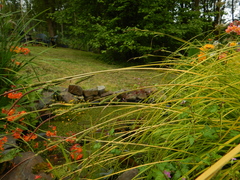 Carex elata Tufted sedge Photo: CC BY, Matt Lavin
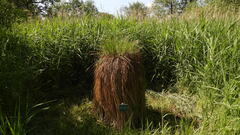 Carex paniculata Greater tussock-sedge Photo: CC BY, Nicola Crockford
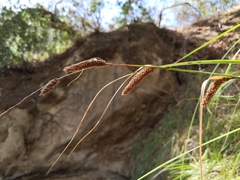 Carex barbarae Santa Barbara sedge Photo: CC BY, Ken-ichi Ueda
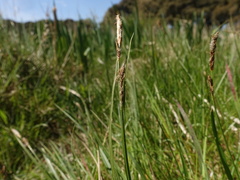 Carex hirta Hairy sedge Photo: CC BY, Jamie O'Neill
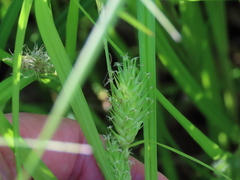 Carex lupulina Hop sedge Photo: CC BY, Bruce Slater
 Carex planostachys Cedar sedge Photo: CC BY, IDClaire
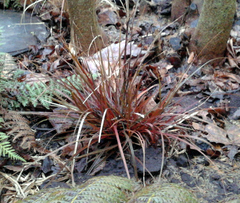 Carex uncinata Photo: CC BY, John Flower
 Carex flagellifera Glen Murray tussock Photo: CC0, Jenny Christianson
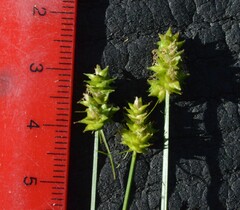 Carex leavenworthii Leavenworth's sedge Photo: CC BY, Dan Johnson
 Carex comans Longwood tussock Photo: CC BY, Doug Miller
Grown: iNaturalist's observations of the species marked captive or cultivated; "not counted" where the species list does not count it. Native ranges: Kew's World Checklist of Vascular Plants (Govaerts et al., CC BY 4.0), file of 4 June 2026. Grown: iNaturalist's observations marked captive or cultivated, counted 17 October 2026 (the species list's count). Habitat climate known: the species page has a habitat climate, read from CHELSA's monthly climate and NASA POWER's daily extremes at its well-placed wild records inside Kew's native range; each page says its own sources and days. Record low: the lowest night in NASA POWER's daily series at the habitat's typical spot, as the species page gives it, held in °C to a tenth and shown in your units; each page says its own years and day read. Counts as the reference built on 19 November 2026 holds them. The CSV holds every result, not only this page's.