Celmisia
39 species in the reference · family Asteraceae · 37 with a habitat climate · 26 grown, per iNaturalist, 13 not counted
About the genus
Celmisia (New Zealand aster or New Zealand daisy) is a genus of perennial herbs or subshrubs, in the family Asteraceae. Most of the species are endemic to New Zealand; several others are endemic to Australia.
Quoted from Wikipedia, "Celmisia", its opening paragraph, revision 1366295533, read 2026-11-08, CC BY-SA 4.0.
Where Celmisia is native
| New Zealand South | 34 |
|---|---|
| New Zealand North | 7 |
| New South Wales | 2 |
| Tasmania | 2 |
| Victoria | 2 |
Species native to each region. A species counts in every region it is native to. Native ranges: Kew's World Checklist of Vascular Plants (Govaerts et al., CC BY 4.0), file of 4 June 2026.
39 species
Celmisia
 Celmisia hookeri Hooker's Mountain Daisy Photo: CC BY, John Barkla
 Celmisia mackaui Akaroa Daisy Photo: CC BY, Jon Sullivan
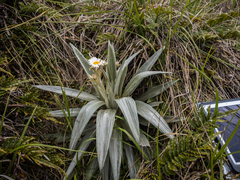 Celmisia semicordata Large mountain daisy Photo: CC BY, Cara-Lisa Schloots
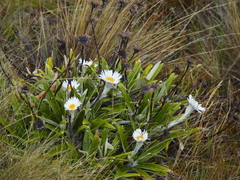 Celmisia spectabilis Cotton daisy Photo: CC BY, Saryu Mae 前 朝琉
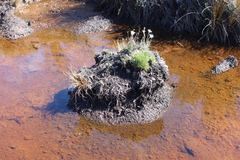 Celmisia gracilenta Common mountain daisy Photo: CC BY, Joe Dillon
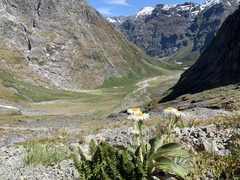 Celmisia verbascifolia Purple-stalked daisy Photo: CC BY, Saryu Mae 前 朝琉
Celmisia bellidioides Green cushion mountain daisy Photo: CC BY, John Barkla
 Celmisia angustifolia Strap- leaved Daisy Photo: CC BY, John Barkla
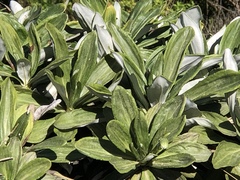 Celmisia lindsayi Lindsay's Daisy Photo: CC BY, metanature
 Celmisia major Photo: CC BY, Jacqui Geux
 Celmisia traversii Mountain Daisy Photo: CC BY-SA, Christopher Stephens
 Celmisia dallii Dall's Mountain Daisy Photo: CC BY, Brett Sandford
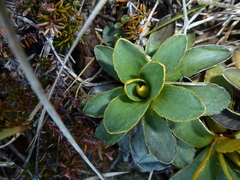 Celmisia hieraciifolia Mountain Daisy Photo: CC BY-SA, Mark Anderson
Celmisia densiflora Dense-flowered Mountain Daisy Photo: CC BY, John Barkla
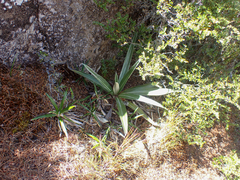 Celmisia monroi Monro's Mountain Daisy Photo: CC BY, Richard Littauer
- no open photograph on file Celmisia philocremna Eyre Mountains Daisy
 Celmisia sinclairii Photo: CC BY, Danielle Munster
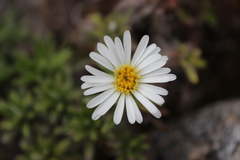 Celmisia walkeri Walker's Mountain Daisy Photo: CC BY, Joe Dillon
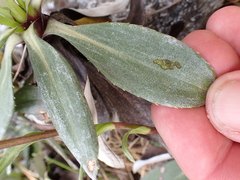 Celmisia bonplandii Mountain Daisy Photo: CC BY, Benjamin Lavin
 Celmisia coriacea Large mountain daisy Photo: CC BY-SA, Christopher Stephens
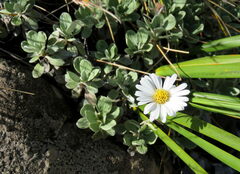 Celmisia discolor Photo: CC BY, William Harland
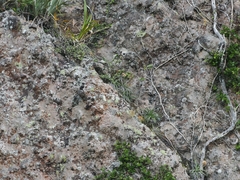 Celmisia graminifolia Whangarei Heads Daisy Photo: CC BY, Angus Campbell
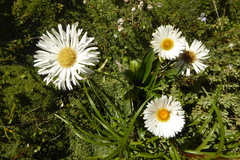 Celmisia holosericea Photo: CC BY, Cara-Lisa Schloots
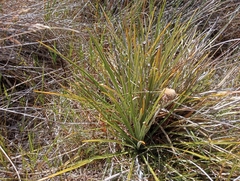 Celmisia lyallii False spaniard Photo: CC BY, John Barkla
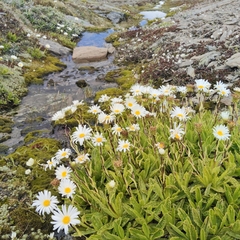 Celmisia prorepens Photo: CC BY, John Barkla
 Celmisia ramulosa Mountain Daisy Photo: CC BY, Leon Perrie
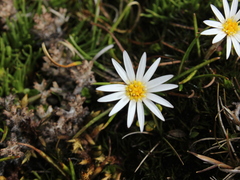 Celmisia alpina Mountain Daisy Photo: CC BY, Joe Dillon
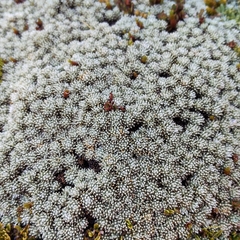 Celmisia argentea Silver cushion mountain daisy Photo: CC BY, John Barkla
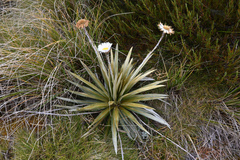 Celmisia armstrongii Armstrong's Mountain Daisy Photo: CC BY, Jon Sullivan
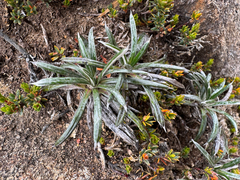 Celmisia asteliifolia Photo: CC BY, Caleb Catto
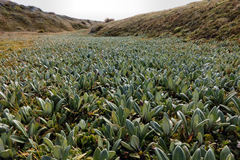 Celmisia haastii Haast's Mountain Daisy Photo: CC BY, John Barkla
Celmisia hectorii Hector's Daisy Photo: CC BY, John Barkla
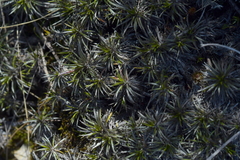 Celmisia laricifolia Needle-leaved mountain daisy Photo: CC BY-SA, Christopher Stephens
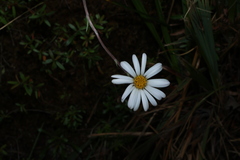 Celmisia longifolia Silver snow daisy Photo: CC BY-SA, Greg Tasney
 Celmisia petriei Petrie's Mountain Daisy Photo: CC BY, Leon Perrie
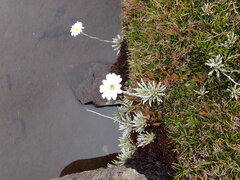 Celmisia saxifraga Photo: CC BY, Stella Fish
 Celmisia sericophylla Silky Snow-daisy Photo: CC BY, Nina Kerr
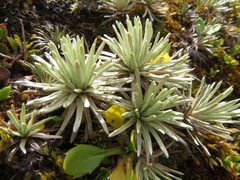 Celmisia sessiliflora White cushion mountain daisy Photo: CC0, Max G.W. Verheij
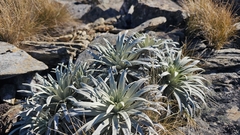 Celmisia viscosa Sticky Mountain Daisy Photo: CC0, Henry Hart
Grown: iNaturalist's observations of the species marked captive or cultivated; "not counted" where the species list does not count it. Native ranges: Kew's World Checklist of Vascular Plants (Govaerts et al., CC BY 4.0), file of 4 June 2026. Grown: iNaturalist's observations marked captive or cultivated, counted 17 October 2026 (the species list's count). Habitat climate known: the species page has a habitat climate, read from CHELSA's monthly climate and NASA POWER's daily extremes at its well-placed wild records inside Kew's native range; each page says its own sources and days. Record low: the lowest night in NASA POWER's daily series at the habitat's typical spot, as the species page gives it, held in °C to a tenth and shown in your units; each page says its own years and day read. Counts as the reference built on 19 November 2026 holds them. The CSV holds every result, not only this page's.