Ceratozamia
11 species in the reference · family Zamiaceae · 9 with a habitat climate · 11 grown, per iNaturalist
About the genus
Ceratozamia is a genus of New World cycads in the family Zamiaceae. The genus contains 27 known currently living species and one or two fossil species. Most species are endemic to mountainous areas of Mexico, while few species extend into the mountains of Guatemala, Honduras and Belize. The genus name comes from the Greek ceras, meaning horn, which refers to the paired, spreading horny projections on the male and female sporophylls of all species.
Quoted from Wikipedia, "Ceratozamia", its opening paragraph, revision 1332333496, read 2026-11-08, CC BY-SA 4.0.
Where Ceratozamia is native
| Mexico Gulf | 5 |
|---|---|
| Mexico Northeast | 4 |
| Mexico Southeast | 3 |
| Guatemala | 1 |
| Mexico Southwest | 1 |
Species native to each region. A species counts in every region it is native to. Native ranges: Kew's World Checklist of Vascular Plants (Govaerts et al., CC BY 4.0), file of 4 June 2026.
11 species
Ceratozamia
 Ceratozamia mexicana Photo: CC BY-SA, Michal Klajban
 Ceratozamia hildae Bamboo Cycad Photo: CC BY, PeregrinusX
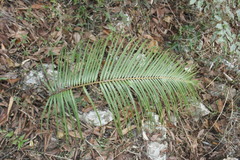 Ceratozamia kuesteriana Photo: CC BY-SA, Juan Cruzado Cortés
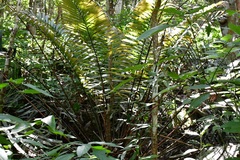 Ceratozamia robusta Photo: CC BY, Neptalí Ramírez Marcial
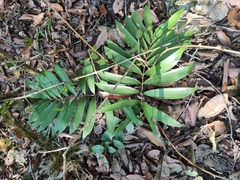 Ceratozamia latifolia Photo: CC BY-SA, Janitzio Pech Zúñiga
- no open photograph on file Ceratozamia euryphyllidia
 Ceratozamia zaragozae Zaragosa's horncone Photo: CC BY-SA, Krzysztof Ziarnek, Kenraiz
- no open photograph on file Ceratozamia becerrae
- no open photograph on file Ceratozamia decumbens
- no open photograph on file Ceratozamia tenuis
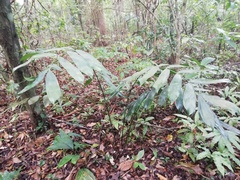 Ceratozamia miqueliana Photo: CC BY, Carlos Domínguez-Rodríguez
Grown: iNaturalist's observations of the species marked captive or cultivated; "not counted" where the species list does not count it. Native ranges: Kew's World Checklist of Vascular Plants (Govaerts et al., CC BY 4.0), file of 4 June 2026. Grown: iNaturalist's observations marked captive or cultivated, counted 17 October 2026 (the species list's count). Habitat climate known: the species page has a habitat climate, read from CHELSA's monthly climate and NASA POWER's daily extremes at its well-placed wild records inside Kew's native range; each page says its own sources and days. Record low: the lowest night in NASA POWER's daily series at the habitat's typical spot, as the species page gives it, held in °C to a tenth and shown in your units; each page says its own years and day read. Counts as the reference built on 19 November 2026 holds them. The CSV holds every result, not only this page's.