Coelogyne
77 species in the reference · family Orchidaceae · 39 with a habitat climate · 59 grown, per iNaturalist, 18 not counted
About the genus
Coelogyne is a genus of about 600 species, of sympodial epiphytes from the family Orchidaceae, distributed across India, China, Indonesia and the Fiji islands, with the main centers in Borneo, Sumatra and the Himalayas. They can be found from tropical lowland forests to montane rainforests. A few species grow as terrestrials or even as lithophytes in open, humid habitats.
Quoted from Wikipedia, "Coelogyne", its opening paragraph, revision 1319312888, read 2026-11-08, CC BY-SA 4.0.
Where Coelogyne is native
| Myanmar | 29 |
|---|---|
| Thailand | 29 |
| Malaya | 24 |
| Philippines | 24 |
| Vietnam | 24 |
| Borneo | 23 |
| Laos | 21 |
| Assam | 20 |
| China South-Central | 20 |
| East Himalaya | 20 |
| Sumatera | 20 |
| Nepal | 18 |
Species native to each region. A species counts in every region it is native to. Native ranges: Kew's World Checklist of Vascular Plants (Govaerts et al., CC BY 4.0), file of 4 June 2026.
77 species
Coelogyne
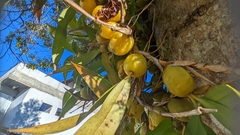 Coelogyne cristata Photo: CC BY, Martin Vallejos
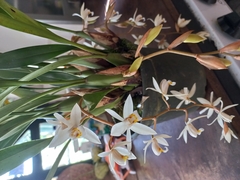 Coelogyne flaccida Photo: CC BY, Patrícia Mees
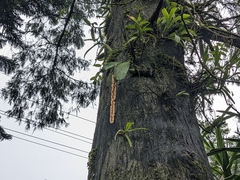 Coelogyne imbricata Photo: CC BY, Subhasish Arandhara
 Coelogyne pandurata Photo: CC BY, dhfischer
 Coelogyne tomentosa Photo: CC0, Daderot
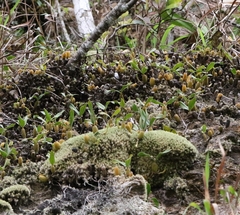 Coelogyne fimbriata Brown Rock Orchid Photo: CC0, Agnes Trekker
 Coelogyne chinensis Photo: CC BY-SA, Dalton Holland Baptista
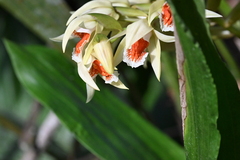 Coelogyne asperata Photo: CC0, Chrissy McClarren and Andy Reago
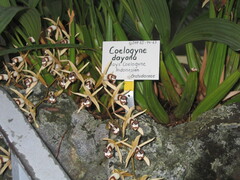 Coelogyne pulverula Photo: CC BY, zebedeugalinha
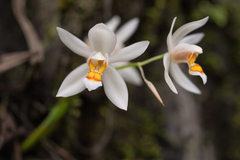 Coelogyne nitida Photo: CC BY, Morten Ross
 Coelogyne glumacea Photo: CC BY-SA, Orchi
 Coelogyne mooreana Photo: CC BY, Eugene Popov
 Coelogyne cobbiana Photo: CC BY, Forest Botial-Jarvis
 Coelogyne lawrenceana Photo: CC BY-SA, Dalton Holland Baptista
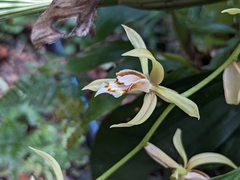 Coelogyne rochussenii Photo: CC BY, portioid
- no open photograph on file Coelogyne wenzelii
 Coelogyne magna Photo: CC BY-SA, Arne and Bent Larsen, Haarby, Denmark
 Coelogyne ovalis Photo: CC0, S.MORE
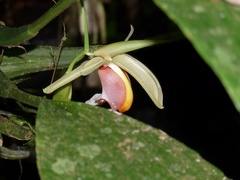 Coelogyne speciosa Photo: CC0, Taxon Expeditions
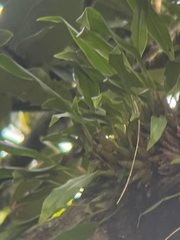 Coelogyne uncata Photo: CC0, naturedom12
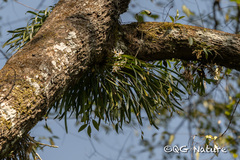 Coelogyne viscosa Photo: CC BY, Wang.QG
 Coelogyne barbata Photo: CC BY-SA, Dalton Holland Baptista
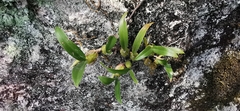 Coelogyne cantonensis Photo: CC BY, angryphyco
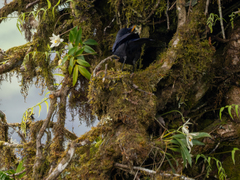 Coelogyne corymbosa Photo: CC BY, Samuel Lee
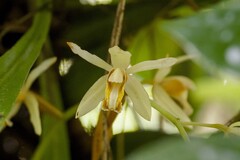 Coelogyne trinervis Photo: CC BY, Gerard Chartier
 Coelogyne filiformis Photo: CC BY, C T Johansson
- no open photograph on file Coelogyne latifolia
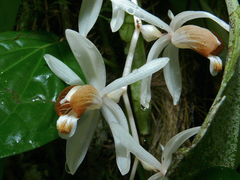 Coelogyne swaniana Photo: CC BY, Bernard DUPONT
- no open photograph on file Coelogyne tenella
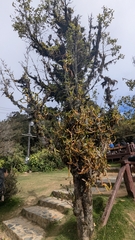 Coelogyne articulata Photo: CC BY, Cheng-Te Hsu
 Coelogyne convallariiformis Photo: CC BY, Motohiro Sunouchi
 Coelogyne fuscescens Photo: CC BY-SA, Dalton Holland Baptista
 Coelogyne lentiginosa Photo: CC BY-SA, Mangostar
 Coelogyne mayeriana Photo: CC BY-SA, Dalton Holland Baptista
 Coelogyne pallida Photo: CC BY-SA, Dinesh Valke
 Coelogyne usitana Photo: CC BY-SA, Dalton Holland Baptista
 Coelogyne huettneriana Photo: CC BY-SA, Arne and Bent Larsen, Haarby, Denmark
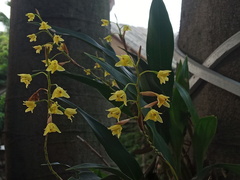 Coelogyne prolifera Photo: CC BY, Sagnik Dutta Roy
- no open photograph on file Coelogyne radicosa
 Coelogyne brachyptera Photo: CC BY-SA, Orchi
 Coelogyne ecarinata Photo: CC BY, snotch from Sapporo, Hokkaido, Japan
 Coelogyne flexuosa Photo: CC BY, Averater
 Coelogyne mossiae Photo: CC BY-SA, David J. Stang
 Coelogyne nervosa Photo: CC BY, Srinivasan Kasinathan
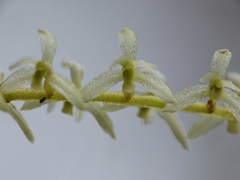 Coelogyne pallide-flavens Photo: CC BY, Kai Squires
 Coelogyne parishii Photo: CC BY-SA, NasserHalaweh
 Coelogyne schultesii Photo: CC BY, Motohiro Sunouchi
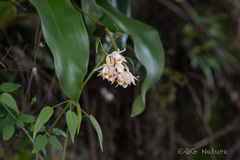 Coelogyne stricta Photo: CC BY, Wang.QG
Grown: iNaturalist's observations of the species marked captive or cultivated; "not counted" where the species list does not count it. Native ranges: Kew's World Checklist of Vascular Plants (Govaerts et al., CC BY 4.0), file of 4 June 2026. Grown: iNaturalist's observations marked captive or cultivated, counted 17 October 2026 (the species list's count). Habitat climate known: the species page has a habitat climate, read from CHELSA's monthly climate and NASA POWER's daily extremes at its well-placed wild records inside Kew's native range; each page says its own sources and days. Record low: the lowest night in NASA POWER's daily series at the habitat's typical spot, as the species page gives it, held in °C to a tenth and shown in your units; each page says its own years and day read. Counts as the reference built on 19 November 2026 holds them. The CSV holds every result, not only this page's.