Convolvulus
46 species in the reference · family Convolvulaceae · 43 with a habitat climate · 43 grown, per iNaturalist, 3 not counted
About the genus
Convolvulus is a genus of about 200 to 250 species of flowering plants in the bindweed family Convolvulaceae, with a cosmopolitan distribution; the Plants of the World Online database currently accepts 228 species and 12 natural hybrids. Common names include bindweed and morning glory; both are names shared with other closely related genera. The genus Calystegia has been shown to be genetically embedded within Convolvulus, and is now treated as a synonym of it by the Plants of the World Online database.
Quoted from Wikipedia, "Convolvulus", its opening paragraph, revision 1383268974, read 2026-11-08, CC BY-SA 4.0.
Where Convolvulus is native
| Turkey | 13 |
|---|---|
| Albania | 12 |
| Algeria | 12 |
| Greece | 12 |
| Italy | 12 |
| Sicilia | 12 |
| Canary Is. | 11 |
| Morocco | 11 |
| Spain | 11 |
| Tunisia | 11 |
| Bulgaria | 10 |
| Lebanon-Syria | 10 |
Species native to each region. A species counts in every region it is native to. Native ranges: Kew's World Checklist of Vascular Plants (Govaerts et al., CC BY 4.0), file of 4 June 2026.
46 species
Convolvulus
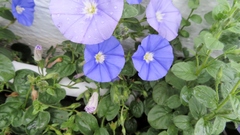 Convolvulus sabatius Ground blue-convolvulus Photo: CC BY, linkie
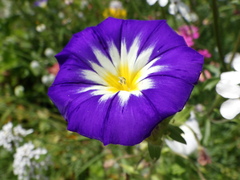 Convolvulus tricolor Tricolour convolvulus Photo: CC BY, Bob
 Convolvulus cneorum Silverbush Photo: CC BY, Doug Miller
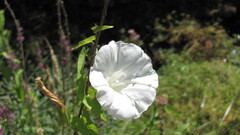 Convolvulus sepium Hedge false bindweed Photo: CC BY, zebedeugalinha
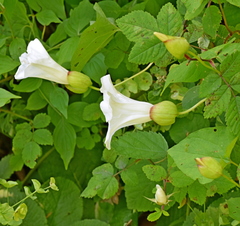 Convolvulus silvaticus Photo: CC BY, Kostas Zontanos
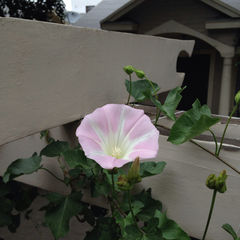 Convolvulus macrostegius Photo: CC BY, Casey Schreiner
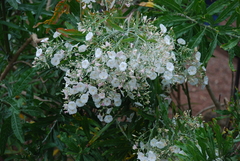 Convolvulus floridus Guadil Photo: CC BY, Татьяна Максимова
 Convolvulus arvensis Field bindweed Photo: CC BY, Rachel Stringham
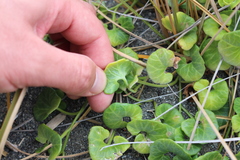 Convolvulus soldanella Photo: CC BY, Joe Potter Butler
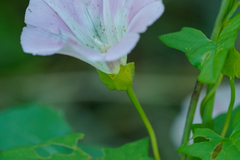 Convolvulus wallichianus Photo: CC BY, WATANABE Hitoshi 渡辺仁
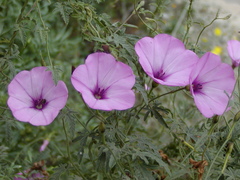 Convolvulus althaeoides Mallow-leaved Bindweed Photo: CC BY-SA, Charles Stirton
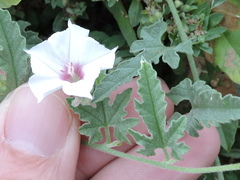 Convolvulus equitans Texas bindweed Photo: CC BY, Sam Kieschnick
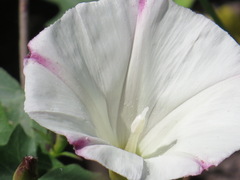 Convolvulus purpuratus Photo: CC BY, Garth Harwood
 Convolvulus massonii Madeira Morning Glory Photo: CC BY, Vítor Jorge
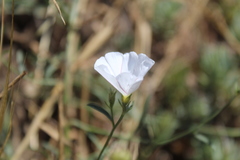 Convolvulus cantabrica Cantabrian Bindweed Photo: CC BY, Dyhia YOUSFI
 Convolvulus × despreauxii Photo: CC BY-SA, TED
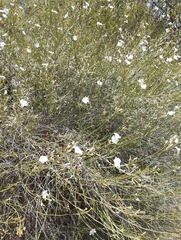 Convolvulus scoparius Lignum rhodium Photo: CC BY, Martin Jung
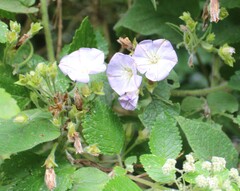 Convolvulus canariensis Photo: CC BY, Lídia Carrera
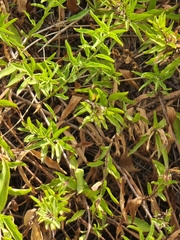 Convolvulus fruticulosus Photo: CC BY, Vítor Jorge
- no open photograph on file Convolvulus occidentalis
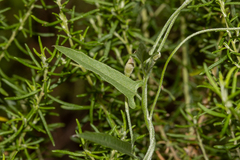 Convolvulus remotus Australian bindweed Photo: CC BY, T. Hammer
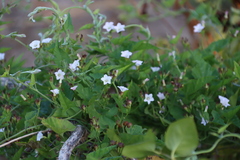 Convolvulus farinosus Wild Bindweed Photo: CC BY-SA, Tony Rebelo
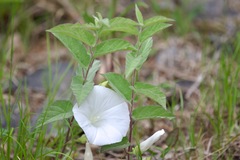 Convolvulus spithamaeus Photo: CC BY, Owen Strickland
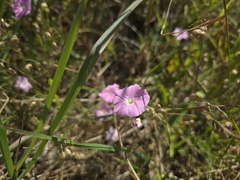 Convolvulus angustissimus Blushing Bindweed Photo: CC BY, Josh
 Convolvulus lineatus Photo: CC BY, Юрий Данилевский (Yuriy Danilevsky)
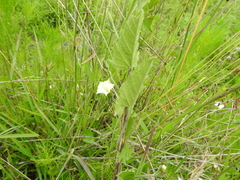 Convolvulus crenatifolius Photo: CC BY-SA, Oscar Alejandro Morales Juárez
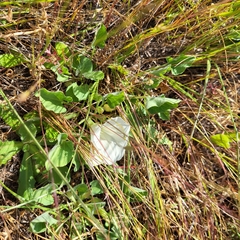 Convolvulus subacaulis Photo: CC BY, D Defreese
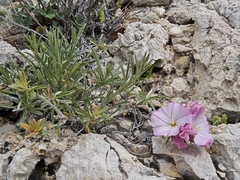 Convolvulus oleifolius Pink Bindweed Photo: CC BY, connyklein
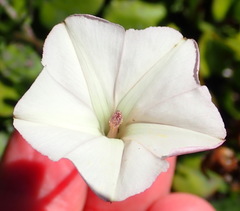 Convolvulus sagittatus Photo: CC BY-SA, Nicola van Berkel
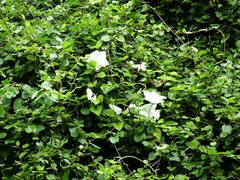 Convolvulus tuguriorum Photo: CC BY, Jacqui Geux
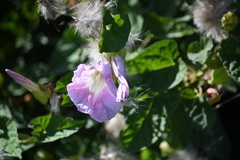 Convolvulus × dubius Hairy Bindweed Photo: CC BY, EstebanMH
 Convolvulus siculus Small Blue-convolvulus Photo: CC BY, Karim Haddad
 Convolvulus verecundus Tussock Bindweed Photo: CC BY, John Barkla
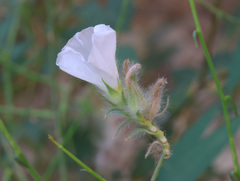 Convolvulus virgatus Photo: CC BY, Joey Bom
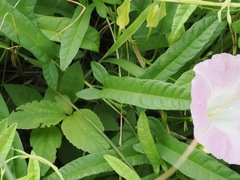 Convolvulus japonicus Photo: CC BY, ITÔ, Hiroki
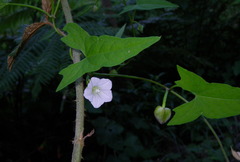 Convolvulus naniflorus Photo: CC BY-SA, Lachlan Copeland
 Convolvulus boissieri Photo: CC BY-SA, Krzysztof Ziarnek, Kenraiz
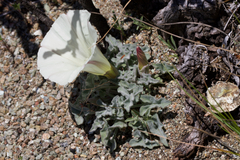 Convolvulus collinus Photo: CC BY, Arvel Hernandez
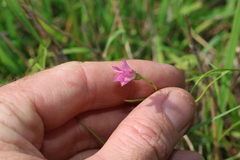 Convolvulus graminetinus Grassland bindweed Photo: CC BY-SA, Greg Tasney
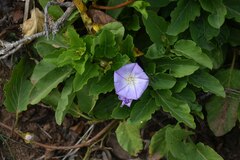 Convolvulus lopezsocasii Photo: CC BY, Malcolm Gould
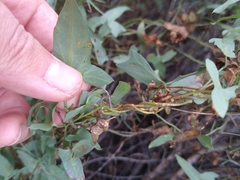 Convolvulus peirsonii Photo: CC BY, Jonas Katona
 Convolvulus persicus Photo: CC0, Dag Endresen
 Convolvulus suendermannii Photo: CC BY, P. Doumas
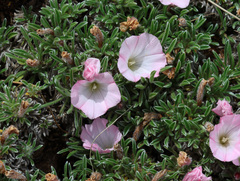 Convolvulus assyricus Photo: CC BY, Joey Bom
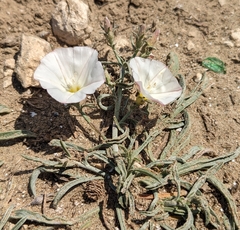 Convolvulus × cyprius Photo: CC BY, Denis Otkydach
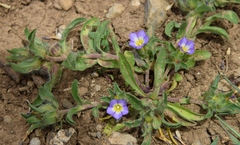 Convolvulus humilis Photo: CC BY, Karim Haddad
Grown: iNaturalist's observations of the species marked captive or cultivated; "not counted" where the species list does not count it. Native ranges: Kew's World Checklist of Vascular Plants (Govaerts et al., CC BY 4.0), file of 4 June 2026. Grown: iNaturalist's observations marked captive or cultivated, counted 17 October 2026 (the species list's count). Habitat climate known: the species page has a habitat climate, read from CHELSA's monthly climate and NASA POWER's daily extremes at its well-placed wild records inside Kew's native range; each page says its own sources and days. Record low: the lowest night in NASA POWER's daily series at the habitat's typical spot, as the species page gives it, held in °C to a tenth and shown in your units; each page says its own years and day read. Counts as the reference built on 19 November 2026 holds them. The CSV holds every result, not only this page's.