Digitaria
10 species in the reference · family Poaceae · 10 with a habitat climate · 10 grown, per iNaturalist
About the genus
Digitaria is a genus of plants in the grass family native to tropical and warm temperate regions but can occur in tropical, subtropical, and cooler temperate regions as well. Common names include crabgrass, finger-grass, and fonio. They are slender monocotyledonous annual and perennial lawn, pasture, and forage plants; some are often considered lawn pests. Digitus is the Latin word for "finger", and they are distinguished by the long, finger-like inflorescences they produce.
Quoted from Wikipedia, "Digitaria", its opening paragraph, revision 1299619863, read 2026-11-08, CC BY-SA 4.0.
Where Digitaria is native
| China Southeast | 5 |
|---|---|
| Taiwan | 5 |
| China North-Central | 4 |
| China South-Central | 4 |
| East Himalaya | 4 |
| Japan | 4 |
| Myanmar | 4 |
| Pakistan | 4 |
| South China Sea | 4 |
| Vietnam | 4 |
| West Himalaya | 4 |
| Bangladesh | 3 |
Species native to each region. A species counts in every region it is native to. Native ranges: Kew's World Checklist of Vascular Plants (Govaerts et al., CC BY 4.0), file of 4 June 2026.
10 species
Digitaria
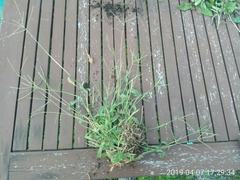 Digitaria sanguinalis Hairy finger-grass Photo: CC0, James Ray
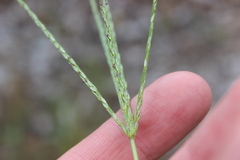 Digitaria ischaemum Smooth finger grass Photo: CC BY, Joe Dillon
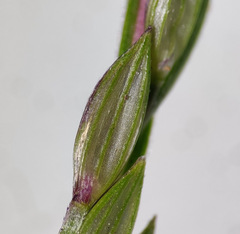 Digitaria ciliaris Southern crabgrass Photo: CC BY, Thomas Gyselinck
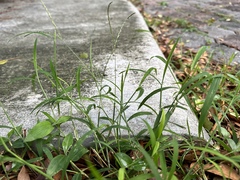 Digitaria radicosa Trailing crabgrass Photo: CC BY, scallions
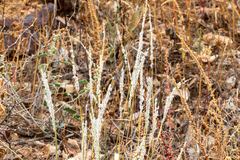 Digitaria californica Arizona cottontop Photo: CC BY, Kevin Floyd
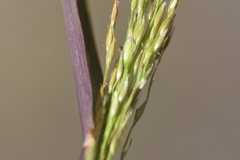 Digitaria insularis Long Grass Photo: CC0, Daniel
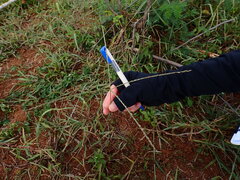 Digitaria eriantha Pangola-grass Photo: CC BY, chiuluan
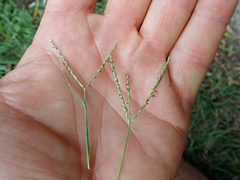 Digitaria didactyla Blue couch Photo: CC0, Harry Rose
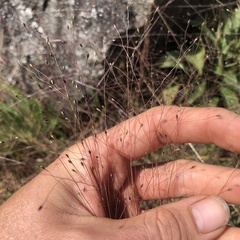 Digitaria cognata Fall witchgrass Photo: CC BY, Andrew Conboy
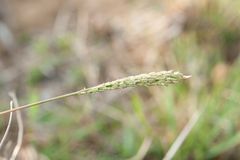 Digitaria henryi Photo: CC BY, Cheng-Tao Lin
Grown: iNaturalist's observations of the species marked captive or cultivated; "not counted" where the species list does not count it. Native ranges: Kew's World Checklist of Vascular Plants (Govaerts et al., CC BY 4.0), file of 4 June 2026. Grown: iNaturalist's observations marked captive or cultivated, counted 17 October 2026 (the species list's count). Habitat climate known: the species page has a habitat climate, read from CHELSA's monthly climate and NASA POWER's daily extremes at its well-placed wild records inside Kew's native range; each page says its own sources and days. Record low: the lowest night in NASA POWER's daily series at the habitat's typical spot, as the species page gives it, held in °C to a tenth and shown in your units; each page says its own years and day read. Counts as the reference built on 19 November 2026 holds them. The CSV holds every result, not only this page's.