Diuris
5 species in the reference · family Orchidaceae · 5 with a habitat climate · 5 grown, per iNaturalist
About the genus
Diuris, commonly known as donkey orchids, bee orchids, nanny goat orchids or pansy orchids, is a genus of more than sixty species of flowering plants in the orchid family, Orchidaceae and is endemic to Australia, apart from one species endemic to Timor. The name "Diuris" refers to the hanging sepals but the common name "donkey orchid", derives from the ear-like petals common to all species. Many have mainly yellow flowers with darker markings and are thought to mimic nectar-producing flowers which open at the same time.
Quoted from Wikipedia, "Diuris", its opening paragraph, revision 1265330501, read 2026-11-08, CC BY-SA 4.0.
Where Diuris is native
| Victoria | 5 |
|---|---|
| New South Wales | 4 |
| South Australia | 3 |
| Tasmania | 3 |
| Queensland | 2 |
Species native to each region. A species counts in every region it is native to. Native ranges: Kew's World Checklist of Vascular Plants (Govaerts et al., CC BY 4.0), file of 4 June 2026.
5 species
Diuris
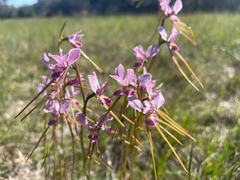 Diuris punctata Purple donkey orchid Photo: CC BY, Dylan Wishart
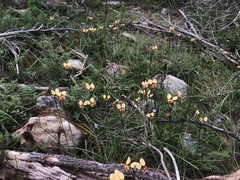 Diuris orientis Eastern Wallflower Orchid Photo: CC BY, Connor Margetts
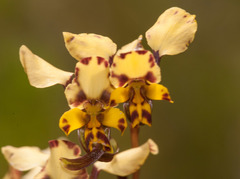 Diuris pardina Leopard Doubletail Photo: CC BY, Rolf Lawrenz
 Diuris fragrantissima Photo: CC0, Hogggyyy
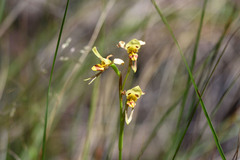 Diuris sulphurea Hornet Orchid Photo: CC BY-SA, Yi-Kai Tea
Grown: iNaturalist's observations of the species marked captive or cultivated; "not counted" where the species list does not count it. Native ranges: Kew's World Checklist of Vascular Plants (Govaerts et al., CC BY 4.0), file of 4 June 2026. Grown: iNaturalist's observations marked captive or cultivated, counted 17 October 2026 (the species list's count). Habitat climate known: the species page has a habitat climate, read from CHELSA's monthly climate and NASA POWER's daily extremes at its well-placed wild records inside Kew's native range; each page says its own sources and days. Record low: the lowest night in NASA POWER's daily series at the habitat's typical spot, as the species page gives it, held in °C to a tenth and shown in your units; each page says its own years and day read. Counts as the reference built on 19 November 2026 holds them. The CSV holds every result, not only this page's.