Eranthis
7 species in the reference · family Ranunculaceae · 6 with a habitat climate · 4 grown, per iNaturalist, 3 not counted
About the genus
Eranthis is a genus of eight species of flowering plants in the buttercup family Ranunculaceae, native to southern Europe and east across Asia to Japan. The common name winter aconite comes from the early flowering time and the resemblance of the leaves to those of the related genus Aconitum, the true aconite. Like the notoriously toxic Aconitum (and, indeed, many other genera of the Ranunculaceae) Eranthis is poisonous, although the toxins are different, being mainly cardiac glycosides similar to those found in various other plant species such as Adonis vernalis or Asclepias incarnata, rather than the neurotoxic alkaloids of Aconitum.
Quoted from Wikipedia, "Eranthis", its opening paragraph, revision 1366430646, read 2026-11-08, CC BY-SA 4.0.
Where Eranthis is native
| Iran | 2 |
|---|---|
| Afghanistan | 1 |
| Albania | 1 |
| Amur | 1 |
| Bulgaria | 1 |
| Buryatiya | 1 |
| France | 1 |
| Iraq | 1 |
| Irkutsk | 1 |
| Italy | 1 |
| Japan | 1 |
| Kazakhstan | 1 |
Species native to each region. A species counts in every region it is native to. Native ranges: Kew's World Checklist of Vascular Plants (Govaerts et al., CC BY 4.0), file of 4 June 2026.
7 species
Eranthis
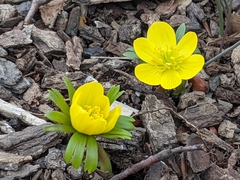 Eranthis hyemalis Winter aconite Photo: CC0, cgmayers
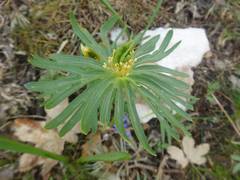 Eranthis cilicica Photo: CC BY, Ben Costamagna
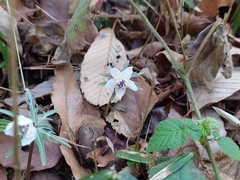 Eranthis pinnatifida Photo: CC BY, FUKUDA Kazuhito 福田一人
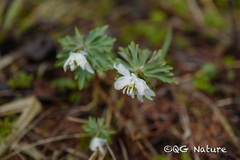 Eranthis stellata White snowdrop Photo: CC BY, Wang.QG
- no open photograph on file Eranthis iranica
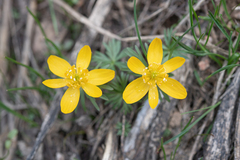 Eranthis longistipitata Photo: CC BY, Morten Ross
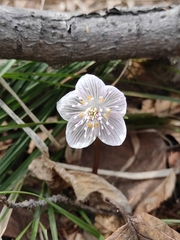 Eranthis sibirica Photo: CC BY, Юлия
Grown: iNaturalist's observations of the species marked captive or cultivated; "not counted" where the species list does not count it. Native ranges: Kew's World Checklist of Vascular Plants (Govaerts et al., CC BY 4.0), file of 4 June 2026. Grown: iNaturalist's observations marked captive or cultivated, counted 17 October 2026 (the species list's count). Habitat climate known: the species page has a habitat climate, read from CHELSA's monthly climate and NASA POWER's daily extremes at its well-placed wild records inside Kew's native range; each page says its own sources and days. Record low: the lowest night in NASA POWER's daily series at the habitat's typical spot, as the species page gives it, held in °C to a tenth and shown in your units; each page says its own years and day read. Counts as the reference built on 19 November 2026 holds them. The CSV holds every result, not only this page's.