Gaillardia
7 species in the reference · family Asteraceae · 7 with a habitat climate · 7 grown, per iNaturalist
About the genus
Gaillardia (common name blanket flower) is a genus of flowering plants in the family Asteraceae, native to North and South America. It was named after Maître Gaillard de Charentonneau, an 18th-century French magistrate who was an enthusiastic botanist. The common name may refer to the resemblance of the inflorescence to the brightly patterned blankets made by Native Americans, or to the ability of wild taxa to blanket the ground with colonies. Many cultivars have been bred for ornamental use.
Quoted from Wikipedia, "Gaillardia", its opening paragraph, revision 1380928509, read 2026-11-08, CC BY-SA 4.0.
Where Gaillardia is native
| Texas | 5 |
|---|---|
| Oklahoma | 4 |
| Colorado | 3 |
| Kansas | 3 |
| Mexico Northeast | 3 |
| Arizona | 2 |
| Mexico Northwest | 2 |
| Missouri | 2 |
| New Mexico | 2 |
| South Dakota | 2 |
| Utah | 2 |
| Alabama | 1 |
Species native to each region. A species counts in every region it is native to. Native ranges: Kew's World Checklist of Vascular Plants (Govaerts et al., CC BY 4.0), file of 4 June 2026.
7 species
Gaillardia
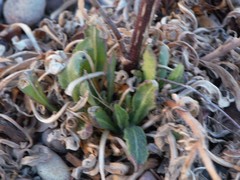 Gaillardia pulchella Firewheel Photo: CC BY, Elliott Gordon
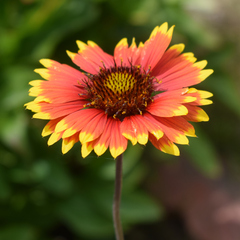 Gaillardia aristata Blanket-flower Photo: CC0, Anne Parsons
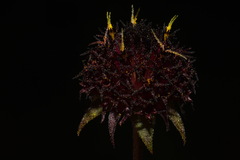 Gaillardia aestivalis Lanceleaf blanketflower Photo: CC BY-SA, Brian Finzel
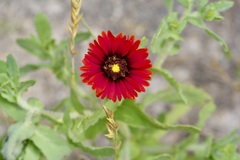 Gaillardia amblyodon Maroon blanketflower Photo: CC BY, Michelle W. (鍾偉瑋)
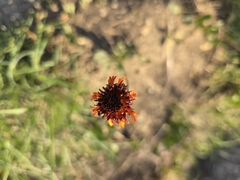 Gaillardia suavis Perfumeballs Photo: CC BY, Cleveland Powell
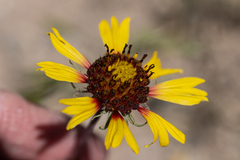 Gaillardia pinnatifida Yellow blanketflower Photo: CC0, Craig Martin
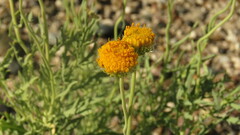 Gaillardia megapotamica Photo: CC BY, Ariadna Tripaldi
Grown: iNaturalist's observations of the species marked captive or cultivated; "not counted" where the species list does not count it. Native ranges: Kew's World Checklist of Vascular Plants (Govaerts et al., CC BY 4.0), file of 4 June 2026. Grown: iNaturalist's observations marked captive or cultivated, counted 17 October 2026 (the species list's count). Habitat climate known: the species page has a habitat climate, read from CHELSA's monthly climate and NASA POWER's daily extremes at its well-placed wild records inside Kew's native range; each page says its own sources and days. Record low: the lowest night in NASA POWER's daily series at the habitat's typical spot, as the species page gives it, held in °C to a tenth and shown in your units; each page says its own years and day read. Counts as the reference built on 19 November 2026 holds them. The CSV holds every result, not only this page's.