Goodyera
9 species in the reference · family Orchidaceae · 9 with a habitat climate · 9 grown, per iNaturalist
About the genus
Goodyera, commonly called rattlesnake plantain, jade orchids or ladies' tresses is a wide-ranging genus of orchids in the tribe Cranichideae. About 100 species of Goodyera have been formally described. With a center of diversity in East Asia, Goodyera is found across Europe, Madeira, North and Central America, Australia, and on islands from the west Indian Ocean to the Pacific Ocean. They have a rosette of leaves at their base and usually many small white resupinate flowers. More on Wikipedia
Quoted from Wikipedia, "Goodyera", its opening paragraph, revision 1321490432, read 2026-11-08, CC BY-SA 4.0.
Where Goodyera is native
| Assam | 5 |
|---|---|
| China South-Central | 5 |
| East Himalaya | 5 |
| Nepal | 5 |
| Taiwan | 5 |
| China Southeast | 4 |
| Maine | 4 |
| Michigan | 4 |
| Myanmar | 4 |
| Nansei-shoto | 4 |
| Nova Scotia | 4 |
| Ontario | 4 |
Species native to each region. A species counts in every region it is native to. Native ranges: Kew's World Checklist of Vascular Plants (Govaerts et al., CC BY 4.0), file of 4 June 2026.
9 species
Goodyera
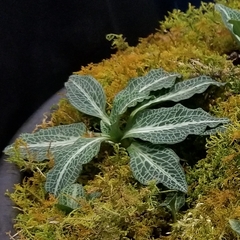 Goodyera pubescens Downy rattlesnake-plantain Photo: CC BY, Daniel McClosky
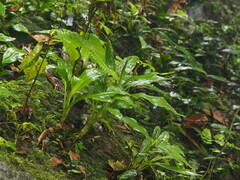 Goodyera procera Bottlebrush Orchid Photo: CC0, 葉子
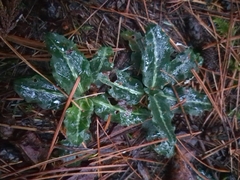 Goodyera oblongifolia Menzie's giant rattlesnake-plantain Photo: CC0, littlespacecase
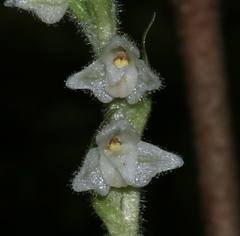 Goodyera repens Lesser rattlesnake plantain Photo: CC BY, Dustin Snider
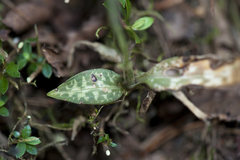 Goodyera schlechtendaliana Schlechtendal's Goodyera Photo: CC BY, Licheng Shih
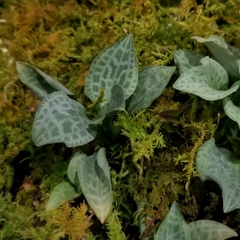 Goodyera tesselata Checkered rattlesnake plantain Photo: CC BY, Daniel McClosky
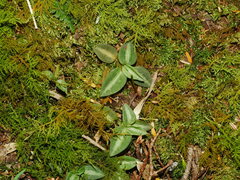 Goodyera nankoensis Photo: CC BY, Jacy Chen
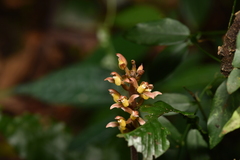 Goodyera rubicunda Giant jewel orchid Photo: CC BY, Yung-Lun Lin
 Goodyera viridiflora Photo: CC0, secooke1
Grown: iNaturalist's observations of the species marked captive or cultivated; "not counted" where the species list does not count it. Native ranges: Kew's World Checklist of Vascular Plants (Govaerts et al., CC BY 4.0), file of 4 June 2026. Grown: iNaturalist's observations marked captive or cultivated, counted 17 October 2026 (the species list's count). Habitat climate known: the species page has a habitat climate, read from CHELSA's monthly climate and NASA POWER's daily extremes at its well-placed wild records inside Kew's native range; each page says its own sources and days. Record low: the lowest night in NASA POWER's daily series at the habitat's typical spot, as the species page gives it, held in °C to a tenth and shown in your units; each page says its own years and day read. Counts as the reference built on 19 November 2026 holds them. The CSV holds every result, not only this page's.