Gymnocalycium
70 species in the reference · family Cactaceae · 31 with a habitat climate · 34 grown, per iNaturalist, 36 not counted
About the genus
Gymnocalycium, commonly called chin cactus, is a genus of about 70 South American species of cactus. The genus name Gymnocalycium (from Greek, "naked calyx") refers to the flower buds bearing no hair or spines. In a 2023 classification of the tribe Cereeae, it was placed as the only genus in the subtribe Gymnocalyciinae, having formerly been placed in the subtribe Rebutiinae.
Quoted from Wikipedia, "Gymnocalycium", its opening paragraph, revision 1377690801, read 2026-11-08, CC BY-SA 4.0.
Where Gymnocalycium is native
| Argentina Northwest | 35 |
|---|---|
| Argentina Northeast | 30 |
| Paraguay | 11 |
| Bolivia | 10 |
| Uruguay | 5 |
| Brazil South | 4 |
| Brazil West-Central | 3 |
| Argentina South | 1 |
Species native to each region. A species counts in every region it is native to. Native ranges: Kew's World Checklist of Vascular Plants (Govaerts et al., CC BY 4.0), file of 4 June 2026.
70 species
Gymnocalycium
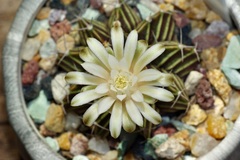 Gymnocalycium mihanovichii Moon cactus Photo: CC BY, Michelle W. (鍾偉瑋)
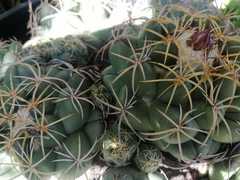 Gymnocalycium baldianum Photo: CC BY, Diego Efraín Vázquez Castañeda
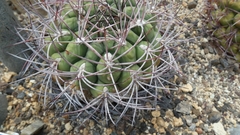 Gymnocalycium saglionis Photo: CC BY, Bob
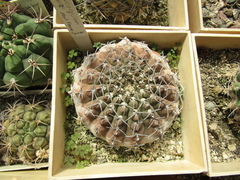 Gymnocalycium pflanzii Photo: CC BY, Oleksandr Shynder
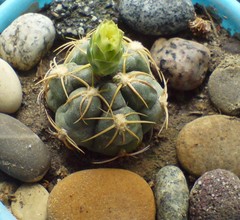 Gymnocalycium horstii Photo: CC BY, Oleksandr Shynder
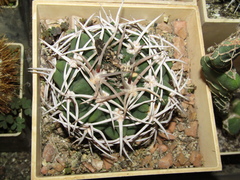 Gymnocalycium monvillei Photo: CC BY, Oleksandr Shynder
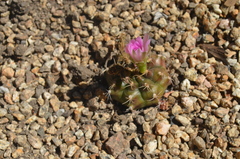 Gymnocalycium anisitsii Photo: CC BY, Trevor Harding
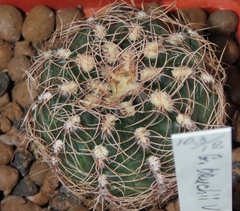 Gymnocalycium bruchii Photo: CC BY, Oleksandr Shynder
 Gymnocalycium ragonesei Photo: CC BY-SA, Petar43
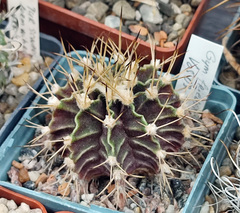 Gymnocalycium stenopleurum Photo: CC BY, Igor Balashov
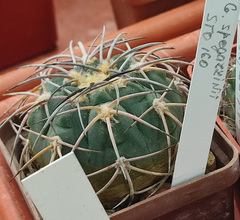 Gymnocalycium spegazzinii Photo: CC BY, Igor Balashov
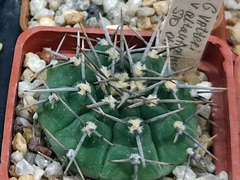 Gymnocalycium ochoterenae Photo: CC BY, Igor Balashov
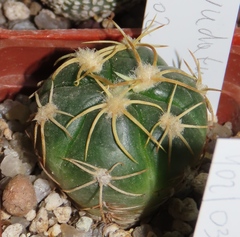 Gymnocalycium denudatum Spider cactus Photo: CC BY, Oleksandr Shynder
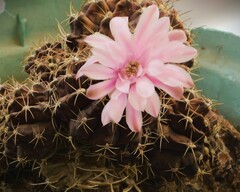 Gymnocalycium marsoneri Photo: CC BY, Jose Luis Leon de la Luz
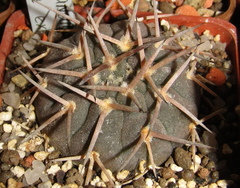 Gymnocalycium bodenbenderianum Photo: CC BY, Oleksandr Shynder
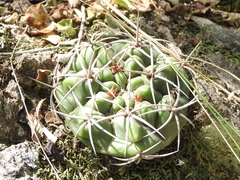 Gymnocalycium mostii Photo: CC0, Mariana
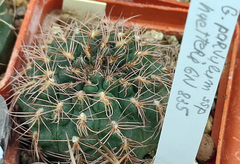 Gymnocalycium quehlianum Photo: CC BY, Igor Balashov
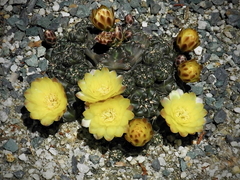 Gymnocalycium andreae Photo: CC BY, Michael J. Papay
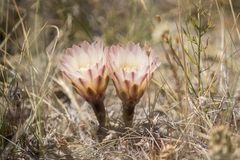 Gymnocalycium gibbosum Photo: CC BY, Chris Kirby-Lambert
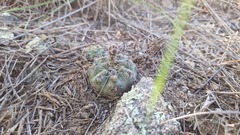 Gymnocalycium erinaceum Photo: CC0, Carl Howard-Morton
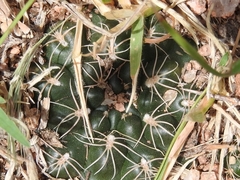 Gymnocalycium calochlorum Photo: CC0, Mariana
 Gymnocalycium eurypleurum Photo: CC BY, Cliff from Arlington, Virginia, USA
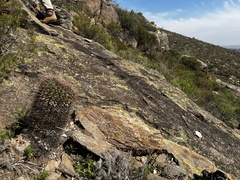 Gymnocalycium reductum Photo: CC BY, Valentín Alfano
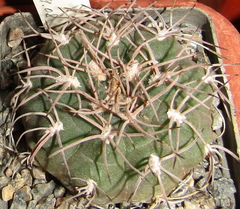 Gymnocalycium hossei Photo: CC BY, Oleksandr Shynder
 Gymnocalycium neuhuberi Photo: CC BY-SA, C T Johansson
 Gymnocalycium paraguayense Photo: CC BY-SA, Stan Shebs
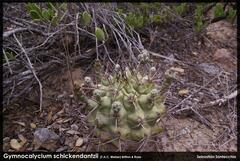 Gymnocalycium schickendantzii Photo: CC0, Sebastián Santecchia
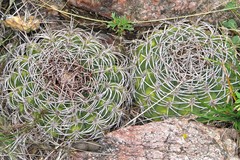 Gymnocalycium castellanosii Photo: CC0, Hugo Hulsberg
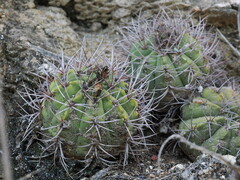 Gymnocalycium nigriareolatum Photo: CC BY, Rosario Douglas
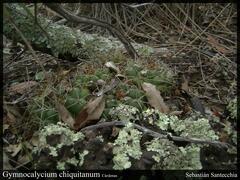 Gymnocalycium chiquitanum Photo: CC0, Sebastián Santecchia
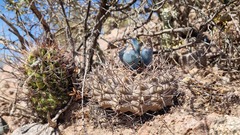 Gymnocalycium glaucum Photo: CC0, Carl Howard-Morton
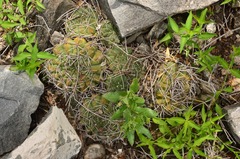 Gymnocalycium oenanthemum Photo: CC BY, Luis Martin Stivanello
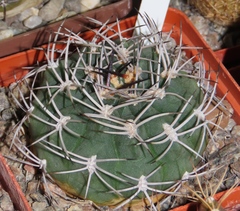 Gymnocalycium rhodantherum Photo: CC BY, Oleksandr Shynder
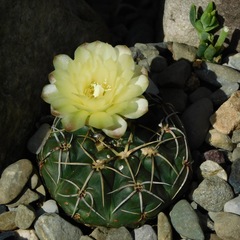 Gymnocalycium uruguayense Photo: CC BY, Michael J. Papay
 Gymnocalycium affine Photo: CC BY-SA, Michael Wolf (Webseite)
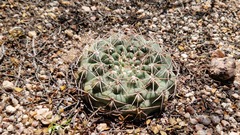 Gymnocalycium alboareolatum Photo: CC0, Carl Howard-Morton
 Gymnocalycium alenae Photo: CC BY-SA, Cactusdediego
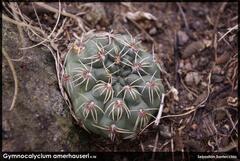 Gymnocalycium amerhauseri Photo: CC0, Sebastián Santecchia
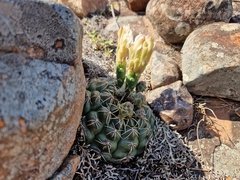 Gymnocalycium angelae Photo: CC BY, Jens-Christian Svenning
 Gymnocalycium arzbergeri Photo: CC BY-SA, Karai Gardenio (Webseite)
 Gymnocalycium basiatrum Photo: CC BY-SA, Hryhorii22
 Gymnocalycium bayrianum Photo: CC BY, Peter A. Mansfeld
 Gymnocalycium berchtii Photo: CC BY-SA, Michael Wolf (Webseite)
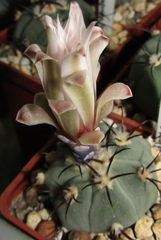 Gymnocalycium cabreraense Photo: CC BY, Oleksandr Shynder
 Gymnocalycium campestre Photo: CC BY-SA, Michael Wolf (Webseite)
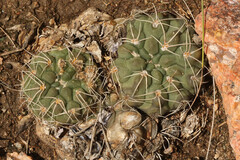 Gymnocalycium capillense Photo: CC BY, Holger Braun
 Gymnocalycium chacoense Photo: CC BY-SA, Michael Wolf (Webseite)
 Gymnocalycium esperanzae Photo: CC BY-SA, Michael Wolf (Webseite)
Grown: iNaturalist's observations of the species marked captive or cultivated; "not counted" where the species list does not count it. Native ranges: Kew's World Checklist of Vascular Plants (Govaerts et al., CC BY 4.0), file of 4 June 2026. Grown: iNaturalist's observations marked captive or cultivated, counted 17 October 2026 (the species list's count). Habitat climate known: the species page has a habitat climate, read from CHELSA's monthly climate and NASA POWER's daily extremes at its well-placed wild records inside Kew's native range; each page says its own sources and days. Record low: the lowest night in NASA POWER's daily series at the habitat's typical spot, as the species page gives it, held in °C to a tenth and shown in your units; each page says its own years and day read. Counts as the reference built on 19 November 2026 holds them. The CSV holds every result, not only this page's.