Habenaria
11 species in the reference · family Orchidaceae · 10 with a habitat climate · 9 grown, per iNaturalist, 2 not counted
About the genus
Habenaria, commonly called rein orchids or bog orchids, is a widely distributed genus of orchids in the tribe Orchideae. About 880 species of Habenaria have been formally described. They are native to every continent except Antarctica, growing in both tropical and subtropical zones.
Quoted from Wikipedia, "Habenaria", its opening paragraph, revision 1339644232, read 2026-11-08, CC BY-SA 4.0.
Where Habenaria is native
| Thailand | 4 |
|---|---|
| China South-Central | 3 |
| China Southeast | 3 |
| El Salvador | 3 |
| Mexico Gulf | 3 |
| Mexico Northeast | 3 |
| Mexico Southwest | 3 |
| Myanmar | 3 |
| Vietnam | 3 |
| Assam | 2 |
| Belize | 2 |
| Bolivia | 2 |
Species native to each region. A species counts in every region it is native to. Native ranges: Kew's World Checklist of Vascular Plants (Govaerts et al., CC BY 4.0), file of 4 June 2026.
11 species
Habenaria
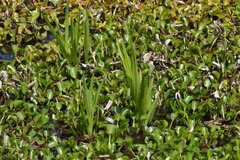 Habenaria repens Waterspider bog orchid Photo: CC BY, Dan Johnson
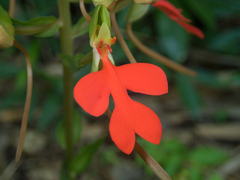 Habenaria rhodocheila Red-Lipped Habenaria Photo: CC BY, Gerard Chartier
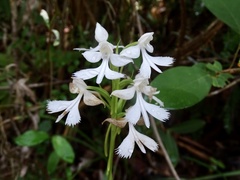 Habenaria dentata Big white-egret flower Photo: CC BY, Toby Y
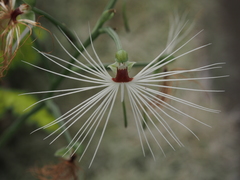 Habenaria medusa Photo: CC BY-SA, Lena Struwe
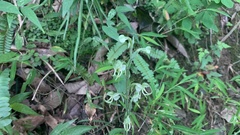 Habenaria ciliolaris Photo: CC BY, 謝麗霦
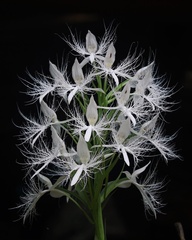 Habenaria trichosantha Photo: CC BY, Apichart Songsangchun
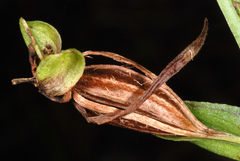 Habenaria floribunda Toothpetal bog orchid Photo: CC BY-SA, Douglas Goldman
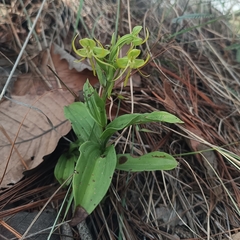 Habenaria jaliscana Photo: CC BY, Ricardo Betancourt Sánchez
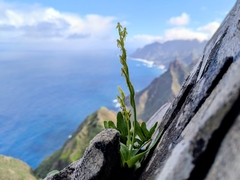 Habenaria tridactylites The Three Fingered Habenaria Photo: CC BY, Elias
 Habenaria nyikana Greenpad Ghost Orchid Photo: CC BY-SA, Antoinette Eyssell Knox
 Habenaria socotrana Photo: CC BY, Morten Ross
Grown: iNaturalist's observations of the species marked captive or cultivated; "not counted" where the species list does not count it. Native ranges: Kew's World Checklist of Vascular Plants (Govaerts et al., CC BY 4.0), file of 4 June 2026. Grown: iNaturalist's observations marked captive or cultivated, counted 17 October 2026 (the species list's count). Habitat climate known: the species page has a habitat climate, read from CHELSA's monthly climate and NASA POWER's daily extremes at its well-placed wild records inside Kew's native range; each page says its own sources and days. Record low: the lowest night in NASA POWER's daily series at the habitat's typical spot, as the species page gives it, held in °C to a tenth and shown in your units; each page says its own years and day read. Counts as the reference built on 19 November 2026 holds them. The CSV holds every result, not only this page's.