Jaltomata
3 species in the reference · family Solanaceae · 2 with a habitat climate · 3 grown, per iNaturalist
About the genus
Jaltomata is a genus of plants in the family Solanaceae. According to molecular phylogenies, Jaltomata is the sister genus to Solanum, which includes tomato, potato, and eggplant. Jaltomata has a neotropical distribution, in that species occur from the United States southwest through Latin America, and into the Andean region of South America. Species encompass a wide range of vegetative and reproductive trait variation, including growth habit (trailing herbs, erect herbs, and woody shrubs), floral size, shape and color, as well as fruit size and color. More on Wikipedia
Quoted from Wikipedia, "Jaltomata", its opening paragraph, revision 1329947055, read 2026-11-08, CC BY-SA 4.0.
Where Jaltomata is native
| Bolivia | 2 |
|---|---|
| Colombia | 2 |
| Ecuador | 2 |
| Peru | 2 |
| Venezuela | 2 |
| Arizona | 1 |
| Costa Rica | 1 |
| El Salvador | 1 |
| Guatemala | 1 |
| Honduras | 1 |
| Mexico Central | 1 |
| Mexico Gulf | 1 |
Species native to each region. A species counts in every region it is native to. Native ranges: Kew's World Checklist of Vascular Plants (Govaerts et al., CC BY 4.0), file of 4 June 2026.
3 species
Jaltomata
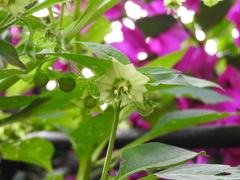 Jaltomata procumbens Creeping false holly Photo: CC BY-SA, Oscar Alejandro Morales Juárez
 Jaltomata cajacayensis Photo: CC BY-SA, Thomas Mione, Central Connecticut State…
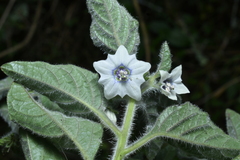 Jaltomata sinuosa Photo: CC BY, Jhon A. Yuca-Palomino
Grown: iNaturalist's observations of the species marked captive or cultivated; "not counted" where the species list does not count it. Native ranges: Kew's World Checklist of Vascular Plants (Govaerts et al., CC BY 4.0), file of 4 June 2026. Grown: iNaturalist's observations marked captive or cultivated, counted 17 October 2026 (the species list's count). Habitat climate known: the species page has a habitat climate, read from CHELSA's monthly climate and NASA POWER's daily extremes at its well-placed wild records inside Kew's native range; each page says its own sources and days. Record low: the lowest night in NASA POWER's daily series at the habitat's typical spot, as the species page gives it, held in °C to a tenth and shown in your units; each page says its own years and day read. Counts as the reference built on 19 November 2026 holds them. The CSV holds every result, not only this page's.