Juniperus
56 species in the reference · family Cupressaceae · 50 with a habitat climate · 55 grown, per iNaturalist, 1 not counted
About the genus
Junipers are coniferous trees and shrubs in the genus Juniperus of the cypress family Cupressaceae. Depending on the taxonomic authority, between 50 and 67 species of junipers are widely distributed throughout the Northern Hemisphere. The highest-known juniper forest occurs at an altitude of 4,900 metres (16,100 ft) in southeastern Tibet and the northern Himalayas, creating one of the highest tree lines on earth.
Quoted from Wikipedia, "Juniper", its opening paragraph, revision 1382399259, read 2026-11-08, CC BY-SA 4.0.
Where Juniperus is native
| Mexico Northeast | 10 |
|---|---|
| China North-Central | 9 |
| Turkey | 9 |
| Arizona | 8 |
| China South-Central | 8 |
| Greece | 8 |
| Spain | 8 |
| Texas | 8 |
| Albania | 7 |
| France | 7 |
| Italy | 7 |
| Lebanon-Syria | 7 |
Species native to each region. A species counts in every region it is native to. Native ranges: Kew's World Checklist of Vascular Plants (Govaerts et al., CC BY 4.0), file of 4 June 2026.
56 species
Juniperus
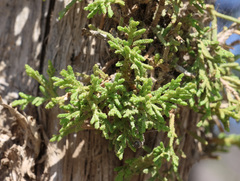 Juniperus seravschanica Photo: CC BY, Joey Bom
 Juniperus morrisonicola Photo: CC BY-SA, HK James Ho on Flickr
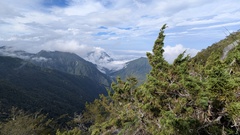 Juniperus tsukusiensis Photo: CC BY, Cheng-Te Hsu
- no open photograph on file Juniperus komarovii Komarov's juniper
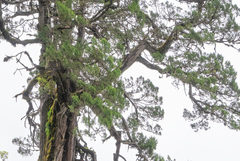 Juniperus tibetica Tibetan juniper Photo: CC BY, Morten Ross
 Juniperus angosturana Oneseed juniper Photo: CC BY-SA, Juan Cruzado Cortés
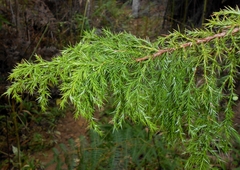 Juniperus saxicola Cuban Juniper Photo: CC BY, J. L. Gómez-Hechavarría
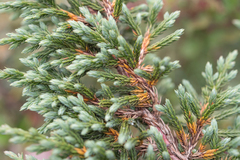 Juniperus indica Black juniper Photo: CC BY, Morten Ross
Grown: iNaturalist's observations of the species marked captive or cultivated; "not counted" where the species list does not count it. Native ranges: Kew's World Checklist of Vascular Plants (Govaerts et al., CC BY 4.0), file of 4 June 2026. Grown: iNaturalist's observations marked captive or cultivated, counted 17 October 2026 (the species list's count). Habitat climate known: the species page has a habitat climate, read from CHELSA's monthly climate and NASA POWER's daily extremes at its well-placed wild records inside Kew's native range; each page says its own sources and days. Record low: the lowest night in NASA POWER's daily series at the habitat's typical spot, as the species page gives it, held in °C to a tenth and shown in your units; each page says its own years and day read. Counts as the reference built on 19 November 2026 holds them. The CSV holds every result, not only this page's.