Moraea
31 species in the reference · family Iridaceae · 27 with a habitat climate · 27 grown, per iNaturalist, 4 not counted
About the genus
Moraea, the Cape tulips, is a genus of plants in the family Iridaceae, first described as a genus in 1758. The group is widespread across Africa, the Mediterranean, and central and southwestern Asia. The genus name is a tribute to the English botanist Robert More.
Quoted from Wikipedia, "Moraea", its opening paragraph, revision 1342858081, read 2026-11-08, CC BY-SA 4.0.
Where Moraea is native
| Cape Provinces | 28 |
|---|---|
| Free State | 7 |
| KwaZulu-Natal | 7 |
| Lesotho | 6 |
| Northern Provinces | 6 |
| Mozambique | 2 |
| Swaziland | 2 |
| Zimbabwe | 2 |
| Afghanistan | 1 |
| Albania | 1 |
| Algeria | 1 |
| Baleares | 1 |
Species native to each region. A species counts in every region it is native to. Native ranges: Kew's World Checklist of Vascular Plants (Govaerts et al., CC BY 4.0), file of 4 June 2026.
31 species
Moraea
 Moraea polystachya Blue-tulip Photo: CC0, John Cowles
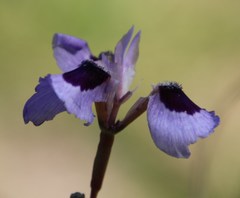 Moraea villosa Peacock Flappie Photo: CC BY-SA, Tony Rebelo
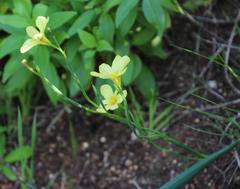 Moraea flaccida One-leaf Cape-tulip Photo: CC BY-SA, Tony Rebelo
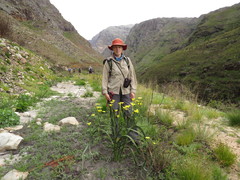 Moraea ochroleuca Red tulp Photo: CC BY, Jeremy Gilmore
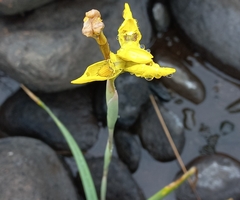 Moraea huttonii Gold Tulp Photo: CC BY, chrishorak
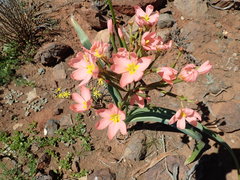 Moraea miniata Two-leaf Cape-tulip Photo: CC0, Peter Warren
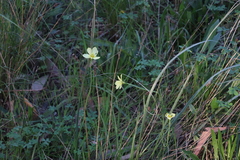 Moraea collina Cape tulip Photo: CC BY-SA, Tony Rebelo
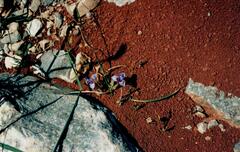 Moraea sisyrinchium Barbary-nut Photo: CC BY, zebedeugalinha
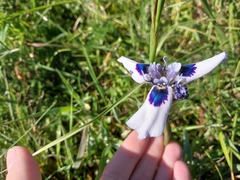 Moraea aristata Blue-Eye Flappie Photo: CC BY, De Waal Hugo
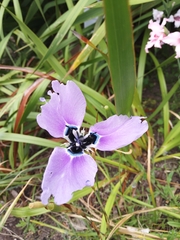 Moraea gigandra Great Flappie Photo: CC BY, Siphesihle Kumalo
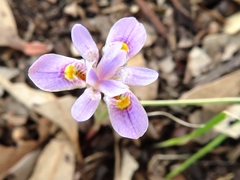 Moraea setifolia Paper Glasstulp Photo: CC BY, linkie
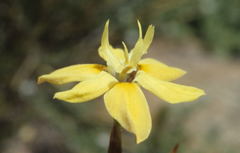 Moraea bituminosa Tar Tulp Photo: CC BY-SA, Tom Lloyd Evans
 Moraea elegans Bustard Tulp Photo: CC BY-SA, SAplants
 Moraea atropunctata Spotty Flappy Photo: CC BY-SA, SAplants
 Moraea loubseri Spider Flappie Photo: CC BY-SA, Tony Rebelo
 Moraea vegeta Buff Clockflower Photo: CC BY-SA, Tony Rebelo
 Moraea alticola Photo: CC BY, Robert Taylor
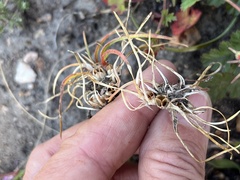 Moraea fugacissima Lunch Clockflower Photo: CC BY, Charleen Brunke
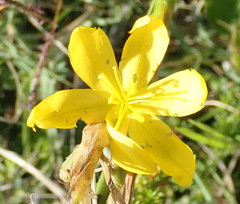 Moraea lewisiae Ostrich Threadstar Photo: CC BY-SA, Nicola van Berkel
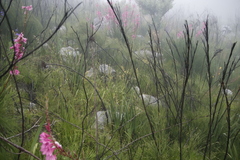 Moraea ramosissima Vlei Clockflower Photo: CC BY-SA, Tony Rebelo
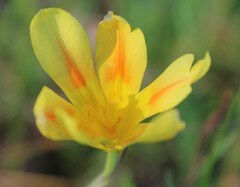 Moraea comptonii Photo: CC0, Jean-Max Van Pul
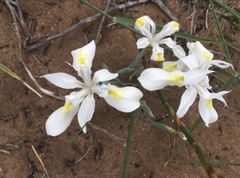 Moraea fugax Hottentot Nut Photo: CC BY, Christina
 Moraea spathulata Large Yellow Moraea Photo: CC0, Di Turner
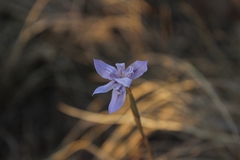 Moraea stricta Photo: CC BY-SA, Corne Brink
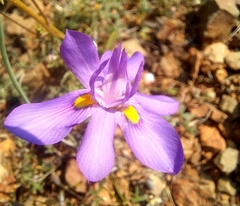 Moraea bipartita Blue tulp Photo: CC BY-SA, kevin koen
 Moraea tripetala Blue Uintjie Photo: CC0, Klaus Wehrlin
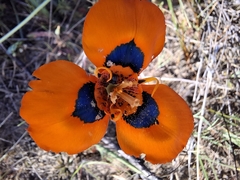 Moraea tulbaghensis Orange Flappie Photo: CC BY-SA, douglaseustonbrown
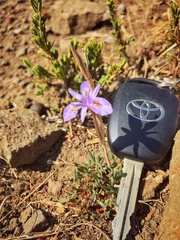 Moraea alpina Alpine Tulp Photo: CC BY, Ronald Olivier
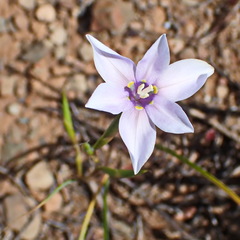 Moraea polyanthos Photo: CC0, Di Turner
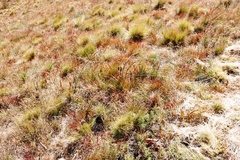 Moraea robusta Photo: CC BY-SA, Tony Rebelo
 Moraea trifida Trifid Uintjie Photo: CC BY-SA, James Deacon
Grown: iNaturalist's observations of the species marked captive or cultivated; "not counted" where the species list does not count it. Native ranges: Kew's World Checklist of Vascular Plants (Govaerts et al., CC BY 4.0), file of 4 June 2026. Grown: iNaturalist's observations marked captive or cultivated, counted 17 October 2026 (the species list's count). Habitat climate known: the species page has a habitat climate, read from CHELSA's monthly climate and NASA POWER's daily extremes at its well-placed wild records inside Kew's native range; each page says its own sources and days. Record low: the lowest night in NASA POWER's daily series at the habitat's typical spot, as the species page gives it, held in °C to a tenth and shown in your units; each page says its own years and day read. Counts as the reference built on 19 November 2026 holds them. The CSV holds every result, not only this page's.