Ophiopogon
6 species in the reference · family Asparagaceae · 6 with a habitat climate · 6 grown, per iNaturalist
About the genus
Ophiopogon (lilyturf) is a genus of evergreen perennial plants native to warm temperate to tropical East, Southeast, and South Asia. Despite their grasslike appearance, they are not closely related to the true grasses, the Poaceae. The name of the genus is derived from Greek ὄφις ophis, 'snake' and πώγων pogon, 'beard', most probably referring to its leaves and tufted growth. In the APG III classification system, it is placed in the family Asparagaceae, subfamily Convallarioideae (formerly the family Ruscaceae). More on Wikipedia
Quoted from Wikipedia, "Ophiopogon", its opening paragraph, revision 1354829439, read 2026-11-08, CC BY-SA 4.0.
Where Ophiopogon is native
| China Southeast | 4 |
|---|---|
| China North-Central | 3 |
| China South-Central | 3 |
| Japan | 3 |
| Taiwan | 3 |
| East Himalaya | 2 |
| Hainan | 2 |
| Korea | 2 |
| Myanmar | 2 |
| Nansei-shoto | 2 |
| Tibet | 2 |
| Vietnam | 2 |
Species native to each region. A species counts in every region it is native to. Native ranges: Kew's World Checklist of Vascular Plants (Govaerts et al., CC BY 4.0), file of 4 June 2026.
6 species
Ophiopogon
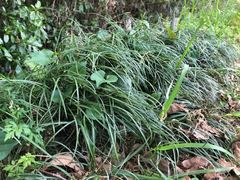 Ophiopogon japonicus Dwarf lilyturf Photo: CC BY, Yoshimasa Uchiyama
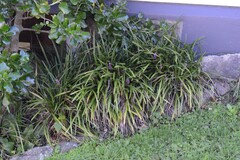 Ophiopogon planiscapus Black mondo Photo: CC BY, Jon Sullivan
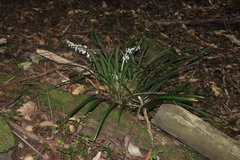 Ophiopogon jaburan Lilyturf Photo: CC BY, Thomas Mesaglio
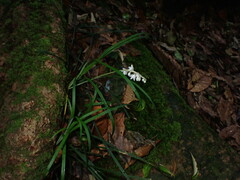 Ophiopogon intermedius Photo: CC BY, W Rao
 Ophiopogon bodinieri Photo: Public domain, Daderot
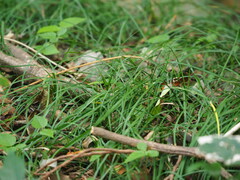 Ophiopogon reversus Photo: CC0, 葉子
Grown: iNaturalist's observations of the species marked captive or cultivated; "not counted" where the species list does not count it. Native ranges: Kew's World Checklist of Vascular Plants (Govaerts et al., CC BY 4.0), file of 4 June 2026. Grown: iNaturalist's observations marked captive or cultivated, counted 17 October 2026 (the species list's count). Habitat climate known: the species page has a habitat climate, read from CHELSA's monthly climate and NASA POWER's daily extremes at its well-placed wild records inside Kew's native range; each page says its own sources and days. Record low: the lowest night in NASA POWER's daily series at the habitat's typical spot, as the species page gives it, held in °C to a tenth and shown in your units; each page says its own years and day read. Counts as the reference built on 19 November 2026 holds them. The CSV holds every result, not only this page's.