Opuntia
95 species in the reference · family Cactaceae · 92 with a habitat climate · 95 grown, per iNaturalist
About the genus
Opuntia, commonly called the prickly pear cactus, is a genus of flowering plants in the cactus family Cactaceae, many known for their flavorful fruit and showy flowers. Between 8,000 and 9,000 years ago, the Opuntia prickly pear cactus was domesticated in central Mexico. Cacti are native to the Americas, and are well adapted to arid climates; however, they are still vulnerable to alterations in precipitation and temperature driven by climate change. The plant has been introduced to Australia, southern Europe, the Middle East, and parts of Africa.
Quoted from Wikipedia, "Opuntia", its opening paragraph, revision 1379281821, read 2026-11-08, CC BY-SA 4.0.
Where Opuntia is native
| Mexico Northeast | 40 |
|---|---|
| Mexico Southwest | 28 |
| Mexico Gulf | 23 |
| Mexico Northwest | 23 |
| Texas | 23 |
| Arizona | 18 |
| Mexico Central | 18 |
| New Mexico | 16 |
| Utah | 13 |
| California | 11 |
| Mexico Southeast | 11 |
| Colorado | 9 |
Species native to each region. A species counts in every region it is native to. Native ranges: Kew's World Checklist of Vascular Plants (Govaerts et al., CC BY 4.0), file of 4 June 2026.
95 species
Opuntia
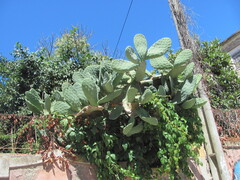 Opuntia ficus-indica Indian-fig Photo: CC BY, zebedeugalinha
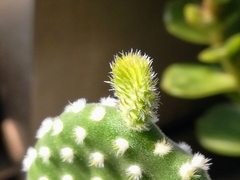 Opuntia microdasys Angel's-wings Photo: CC BY, Gianni Del Bufalo bygdb
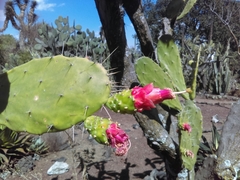 Opuntia cochenillifera Cochineal cactus Photo: CC BY, Jose Antonio Aranda Pineda
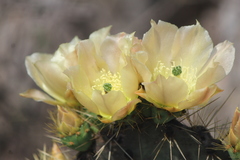 Opuntia engelmannii Cactus-apple Photo: CC BY, José Belem Hernández Díaz
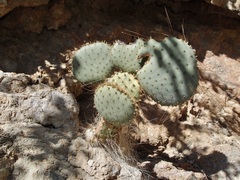 Opuntia gosseliniana Violet Prickly-pear Photo: CC BY, Sue Carnahan
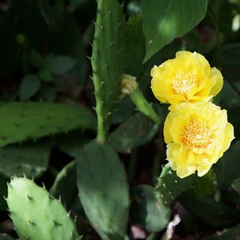 Opuntia humifusa Devil's-tongue Photo: CC BY, jimsox
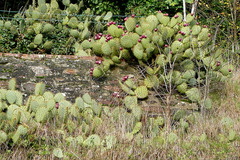 Opuntia orbiculata Western prickly-pear Photo: CC0, Patrick Le Mao
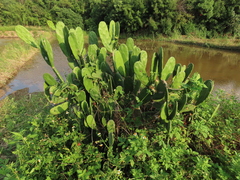 Opuntia monacantha Common pricklypear Photo: CC BY, chiuluan
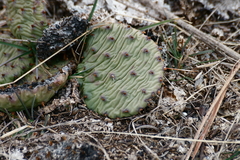 Opuntia cespitosa Photo: CC BY-SA, psweet
 Opuntia tuna Sour Pickle Photo: CC BY-SA, The Photographer
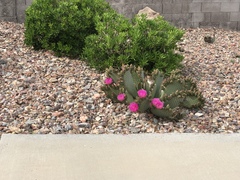 Opuntia basilaris Beaver-tail prickly-pear Photo: CC BY, CK2AZ
 Opuntia stricta Erect prickly pear Photo: CC0, Mirela
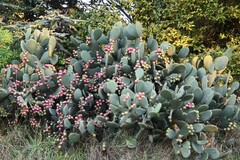 Opuntia robusta Photo: CC BY, Jon Sullivan
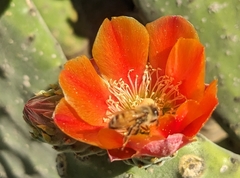 Opuntia tomentosa Woollyjoint pricklypear Photo: CC BY, Richard Shirky
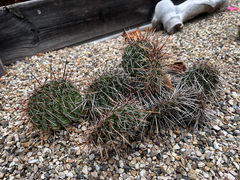 Opuntia polyacantha Plains prickly-pear Photo: CC BY, Alex Baxter
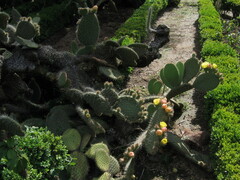 Opuntia leucotricha Arborescent pricklypear Photo: CC BY, zebedeugalinha
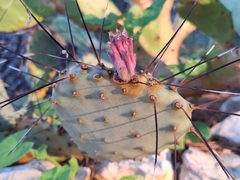 Opuntia macrocentra Purple prickly-pear Photo: CC BY, Flora_DUMO
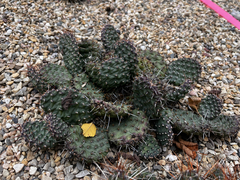 Opuntia phaeacantha New Mexico prickly-pear Photo: CC BY, Alex Baxter
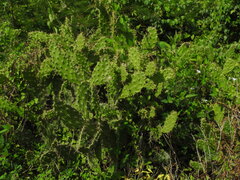 Opuntia inaperta Photo: CC BY, Juan Cruzado Cortés
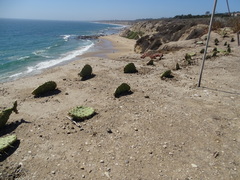 Opuntia littoralis Coastal Prickly-pear Photo: CC BY, Jesse Rorabaugh
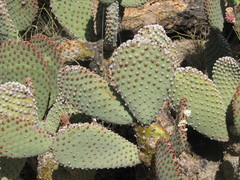 Opuntia rufida Blind Pricklypear Photo: CC BY, johnyochum
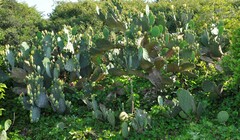 Opuntia tunoidea Carolina Prickly-pear Cactus Photo: CC BY, Steven Joyner
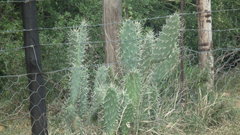 Opuntia lasiacantha Red Prickly Pear Photo: CC BY, Shaun Swanepoel
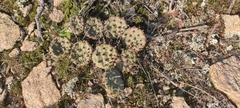 Opuntia macrorhiza Twistspine pricklypear Photo: CC BY, fmunoz
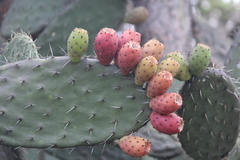 Opuntia streptacantha Gracemere-pear Photo: CC BY, José Belem Hernández Díaz
 Opuntia fragilis Brittle prickly-pear Photo: CC0, Spencer Quayle
 Opuntia dejecta Photo: CC BY, José Belem Hernández Díaz
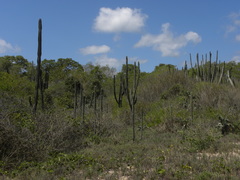 Opuntia elatior Jumbie Prickle Photo: CC BY, Steven Bodzin
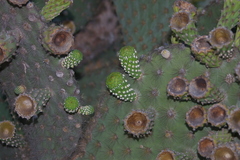 Opuntia galapageia Galápagos Prickly Pear Photo: CC0, Don Johnston
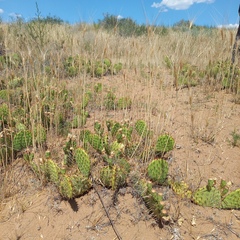 Opuntia cymochila Grassland Prickly Pear Photo: CC BY, Alexander Dubynin
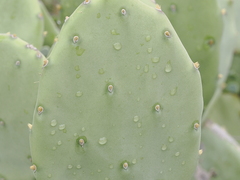 Opuntia anahuacensis Photo: CC BY, Lucas Christofides
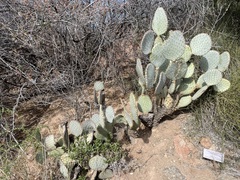 Opuntia chlorotica Pancake prickly-pear Photo: CC BY-SA, lejones417
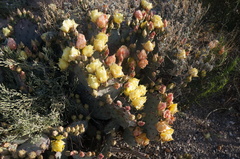 Opuntia azurea Photo: CC0, Henggang Cui
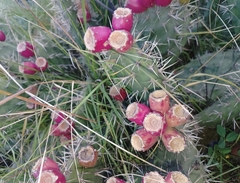 Opuntia sulphurea Sulphur cactus Photo: CC BY, Nathaly Johana Mollo Gutierrez
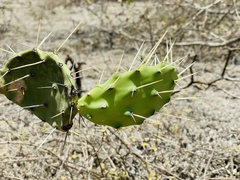 Opuntia soederstromiana Photo: CC BY, Francisco E. Fonturbel
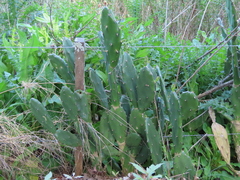 Opuntia elata Riverina pear Photo: CC BY, Nicolas Olejnik
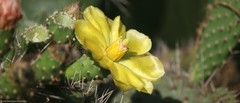 Opuntia decumbens Decumbent Prickly Pear Photo: CC BY, José Belem Hernández Díaz
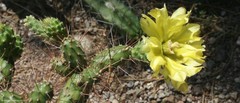 Opuntia pubescens Photo: CC BY, José Belem Hernández Díaz
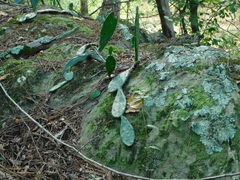 Opuntia mesacantha Southeastern Prickly Pear Photo: CC BY, Michael J. Papay
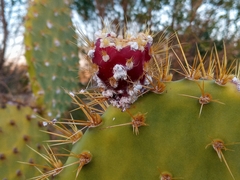 Opuntia oricola Chaparral Prickly-pear Photo: CC BY, Daniel S.
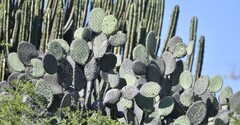 Opuntia pilifera Photo: CC BY, Zac Peterson
 Opuntia dulcis Photo: CC BY, Michelle W. (鍾偉瑋)
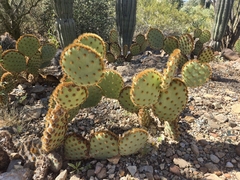 Opuntia aciculata Chenille prickly-pear Photo: CC BY, Micki Colbeck
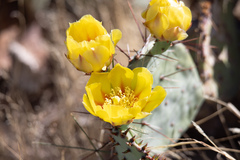 Opuntia camanchica Photo: CC BY, Kevin Floyd
 Opuntia hyptiacantha Photo: CC BY-SA, Oscar Alejandro Morales Juárez
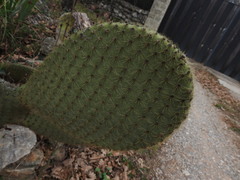 Opuntia scheeri Photo: CC BY, Yves Bas
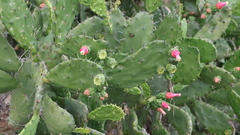 Opuntia auberi Photo: CC BY, Egor Dyukarev
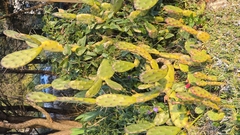 Opuntia bonaerensis Photo: CC0, Naturgucker Tom
Grown: iNaturalist's observations of the species marked captive or cultivated; "not counted" where the species list does not count it. Native ranges: Kew's World Checklist of Vascular Plants (Govaerts et al., CC BY 4.0), file of 4 June 2026. Grown: iNaturalist's observations marked captive or cultivated, counted 17 October 2026 (the species list's count). Habitat climate known: the species page has a habitat climate, read from CHELSA's monthly climate and NASA POWER's daily extremes at its well-placed wild records inside Kew's native range; each page says its own sources and days. Record low: the lowest night in NASA POWER's daily series at the habitat's typical spot, as the species page gives it, held in °C to a tenth and shown in your units; each page says its own years and day read. Counts as the reference built on 19 November 2026 holds them. The CSV holds every result, not only this page's.