Pavetta
8 species in the reference · family Rubiaceae · 8 with a habitat climate · 8 grown, per iNaturalist
About the genus
Pavetta is a genus of flowering plants in the family Rubiaceae. It comprises about 360 species of trees, evergreen shrubs and sub-shrubs. It is found in woodlands, grasslands and thickets in sub-tropical and tropical Africa and Asia. The plants are cultivated for their simple but variable leaves, usually opposite but also occur in triple whorls. More on Wikipedia
Quoted from Wikipedia, "Pavetta", its opening paragraph, revision 1371182104, read 2026-11-08, CC BY-SA 4.0.
Where Pavetta is native
| KwaZulu-Natal | 4 |
|---|---|
| Mozambique | 4 |
| Northern Provinces | 3 |
| Angola | 2 |
| Botswana | 2 |
| Burundi | 2 |
| Cameroon | 2 |
| Cape Provinces | 2 |
| Caprivi Strip | 2 |
| Central African Republic | 2 |
| Malawi | 2 |
| Namibia | 2 |
Species native to each region. A species counts in every region it is native to. Native ranges: Kew's World Checklist of Vascular Plants (Govaerts et al., CC BY 4.0), file of 4 June 2026.
8 species
Pavetta
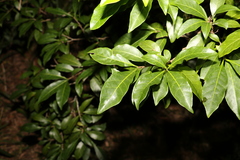 Pavetta australiensis Pavetta Photo: CC BY-SA, Greg Tasney
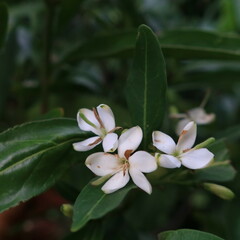 Pavetta lanceolata Weeping Brides-bush Photo: CC BY, Diana Studer
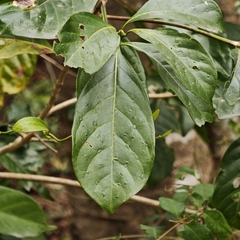 Pavetta hongkongensis Hong Kong Pavetta Photo: CC BY, Jacob She
Pavetta opulina Photo: CC BY-SA, Zoé Thivet
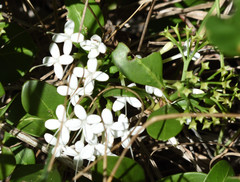 Pavetta revoluta Dune Brides-bush Photo: CC BY-SA, Andrew Gillespie
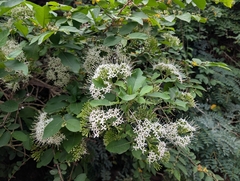 Pavetta indica Indian pavetta Photo: CC BY, Ravuri Krishna Chaitanya
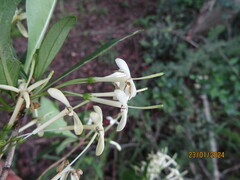 Pavetta gardeniifolia Stink-leaf Brides-bush Photo: CC BY-SA, Antoinette Eyssell Knox
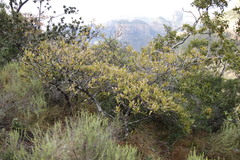 Pavetta schumanniana Gousiektetree Photo: CC BY-SA, Tony Rebelo
Grown: iNaturalist's observations of the species marked captive or cultivated; "not counted" where the species list does not count it. Native ranges: Kew's World Checklist of Vascular Plants (Govaerts et al., CC BY 4.0), file of 4 June 2026. Grown: iNaturalist's observations marked captive or cultivated, counted 17 October 2026 (the species list's count). Habitat climate known: the species page has a habitat climate, read from CHELSA's monthly climate and NASA POWER's daily extremes at its well-placed wild records inside Kew's native range; each page says its own sources and days. Record low: the lowest night in NASA POWER's daily series at the habitat's typical spot, as the species page gives it, held in °C to a tenth and shown in your units; each page says its own years and day read. Counts as the reference built on 19 November 2026 holds them. The CSV holds every result, not only this page's.