Persicaria
43 species in the reference · family Polygonaceae · 42 with a habitat climate · 43 grown, per iNaturalist
About the genus
Persicaria is a genus of herbaceous flowering plants in the knotweed family, Polygonaceae. Plants of the genus are known commonly as knotweeds or smartweeds. It has a cosmopolitan distribution, with species occurring nearly worldwide. The genus was segregated from Polygonum.
Quoted from Wikipedia, "Persicaria", its opening paragraph, revision 1383634749, read 2026-11-08, CC BY-SA 4.0.
Where Persicaria is native
| China Southeast | 27 |
|---|---|
| China South-Central | 25 |
| Taiwan | 23 |
| Vietnam | 21 |
| Korea | 20 |
| Nepal | 20 |
| West Himalaya | 20 |
| East Himalaya | 19 |
| Japan | 19 |
| Assam | 18 |
| China North-Central | 18 |
| Bangladesh | 16 |
Species native to each region. A species counts in every region it is native to. Native ranges: Kew's World Checklist of Vascular Plants (Govaerts et al., CC BY 4.0), file of 4 June 2026.
43 species
Persicaria
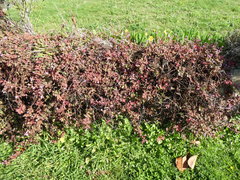 Persicaria capitata Pinkhead smartweed Photo: CC BY, Doug Miller
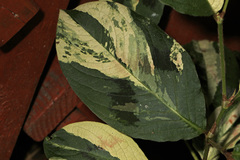 Persicaria filiformis Asian jumpseed Photo: CC BY-SA, Judy Gallagher
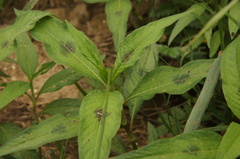 Persicaria maculosa Redshank Photo: CC BY, Gabriel Mayrhofer
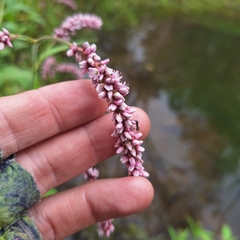 Persicaria orientalis Kiss me over the garden gate Photo: CC BY-SA, Greg Tasney
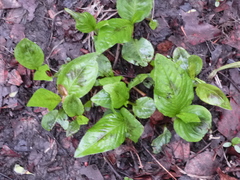 Persicaria virginiana Virginia knotweed Photo: CC0, Ira Gershenhorn
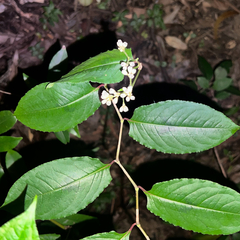 Persicaria chinensis Chinese knotweed Photo: CC BY-SA, James K. Douch
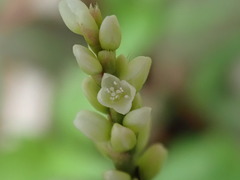 Persicaria longiseta Bristly lady's thumb Photo: CC BY, 黃美滿
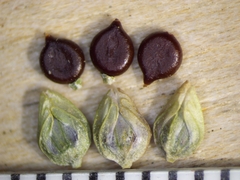 Persicaria lapathifolia Curlytop knotweed Photo: CC0, Daniel Atha
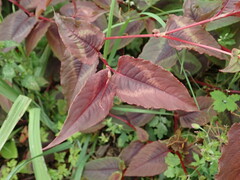 Persicaria microcephala Photo: CC BY, Daniel Cahen
 Persicaria odorata Vietnamese-coriander Photo: CC BY-SA, Ong Jyh Seng
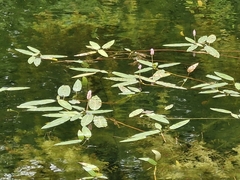 Persicaria amphibia Amphibious bistort Photo: CC BY, ahabo
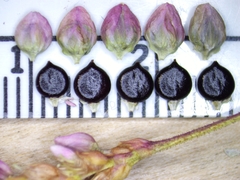 Persicaria pensylvanica Pinkweed Photo: CC0, Daniel Atha
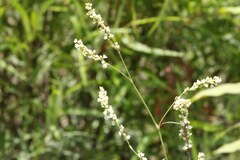 Persicaria hydropiperoides Swamp smartweed Photo: CC BY, Samuel A Schmid, PhD, PWS
 Persicaria tinctoria Photo: CC0, Daderot
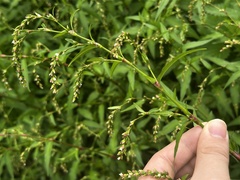 Persicaria hydropiper Water-pepper Photo: CC BY, scallions
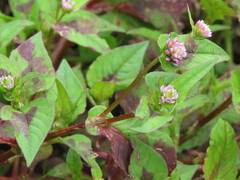 Persicaria nepalensis Nepalese smartweed Photo: CC BY, Juan Carlos Caicedo Hernández
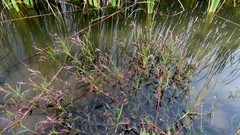 Persicaria decipiens Slender knotweed Photo: CC BY, linkie
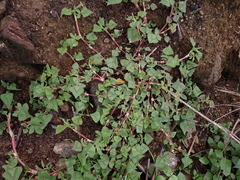 Persicaria runcinata Photo: CC BY, Sagnik Dutta Roy
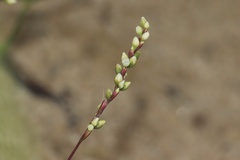 Persicaria punctata Dotted smartweed Photo: CC BY, Dustin Snider
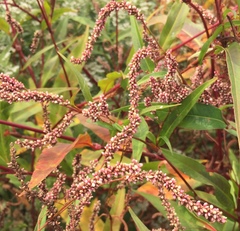 Persicaria extremiorientalis Far-Eastern smartweed Photo: CC0, Ken Kneidel
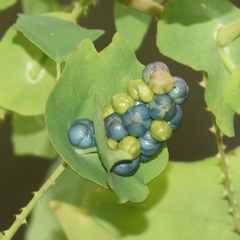 Persicaria perfoliata Asiatic tearthumb Photo: CC BY, Fyodor Pudovikov
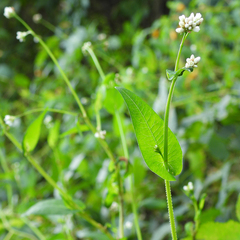 Persicaria sagittata Arrowleaf tearthumb Photo: CC BY, M. Whitson
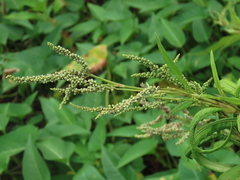 Persicaria barbata Bearded knotweed Photo: CC BY, chiuluan
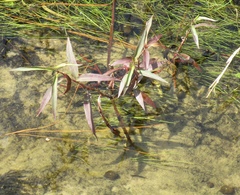 Persicaria glabra Denseflower knotweed Photo: CC BY, geosesarma
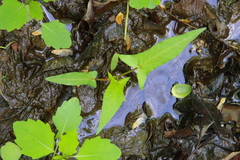 Persicaria arifolia Halberd-leaved tearthumb Photo: CC BY, Eric Knight
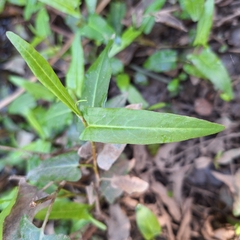 Persicaria praetermissa Linear arrow-head smartweed Photo: CC BY-SA, Greg Tasney
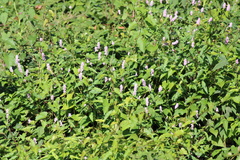 Persicaria bicornis Pink smartweed Photo: CC BY, ashleyrsteel
 Persicaria dichotoma Photo: CC BY, Scott W. Gavins
 Persicaria senegalensis Photo: CC BY, amantedarmanin
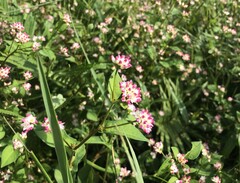 Persicaria thunbergii Thunberg’s smartweed Photo: CC0, Mason Brock
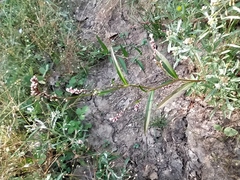 Persicaria minor Small water-pepper Photo: CC0, Алексей Ябс
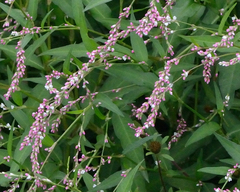 Persicaria mitis Tasteless water-pepper Photo: CC BY, Fyodor Pudovikov
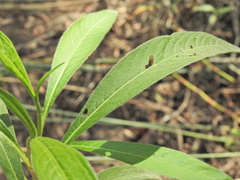 Persicaria attenuata Watersmart Weed Photo: CC BY, Scott W. Gavins
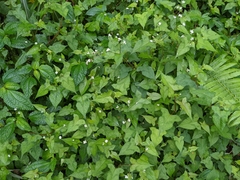 Persicaria biconvexa Photo: CC BY, Chen Jia Hong
 Persicaria hastatosagittata Long arrow-head smartweed Photo: CC BY-SA, Qwert1234
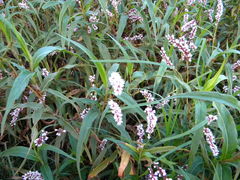 Persicaria madagascariensis Bristly Snakeroot Photo: CC0, Tim Kirsten
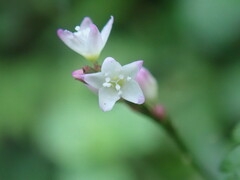 Persicaria posumbu Oriental lady's thumb Photo: CC BY, 黃美滿
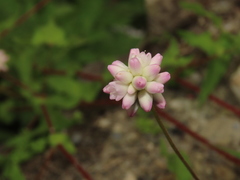 Persicaria senticosa Prickled-vine smartweed Photo: CC BY, chiuluan
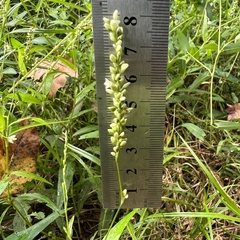 Persicaria setacea Bog smartweed Photo: CC BY, Anne Parker
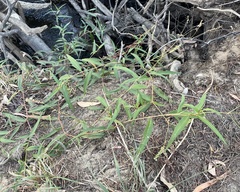 Persicaria subsessilis Bristly waterpepper Photo: CC BY, yatesy
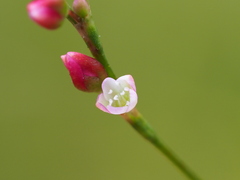 Persicaria pubescens Nonspicy smartweed Photo: CC0, 葉子
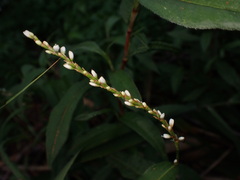 Persicaria japonica Photo: CC BY, W Rao
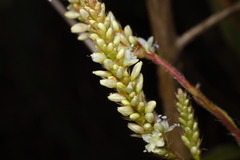 Persicaria acuminata Tapertip Smartweed Photo: CC0, Fernando Sessegolo
Grown: iNaturalist's observations of the species marked captive or cultivated; "not counted" where the species list does not count it. Native ranges: Kew's World Checklist of Vascular Plants (Govaerts et al., CC BY 4.0), file of 4 June 2026. Grown: iNaturalist's observations marked captive or cultivated, counted 17 October 2026 (the species list's count). Habitat climate known: the species page has a habitat climate, read from CHELSA's monthly climate and NASA POWER's daily extremes at its well-placed wild records inside Kew's native range; each page says its own sources and days. Record low: the lowest night in NASA POWER's daily series at the habitat's typical spot, as the species page gives it, held in °C to a tenth and shown in your units; each page says its own years and day read. Counts as the reference built on 19 November 2026 holds them. The CSV holds every result, not only this page's.