Polygala
14 species in the reference · family Polygalaceae · 13 with a habitat climate · 13 grown, per iNaturalist, 1 not counted
About the genus
Polygala is a large genus of flowering plants belonging to the family Polygalaceae. They are commonly known as milkworts or snakeroots. The genus is distributed widely throughout much of the world in temperate zones and the tropics. The genus name Polygala comes from the ancient Greek "much milk", as the plant was thought to increase milk yields in cattle.
Quoted from Wikipedia, "Polygala", its opening paragraph, revision 1373202951, read 2026-11-08, CC BY-SA 4.0.
Where Polygala is native
| Italy | 7 |
|---|---|
| Yugoslavia | 6 |
| Austria | 5 |
| Bulgaria | 5 |
| Cape Provinces | 5 |
| Czechoslovakia | 5 |
| France | 5 |
| Germany | 5 |
| Hungary | 5 |
| Romania | 5 |
| Ukraine | 5 |
| Albania | 4 |
Species native to each region. A species counts in every region it is native to. Native ranges: Kew's World Checklist of Vascular Plants (Govaerts et al., CC BY 4.0), file of 4 June 2026.
14 species
Polygala
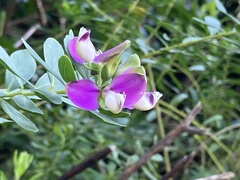 Polygala myrtifolia Myrtle-leaf milkwort Photo: CC BY, Michael Berardozzi
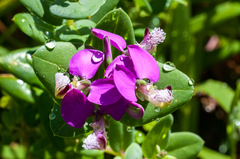 Polygala fruticosa Feather Dusters Photo: CC BY-SA, magriet b
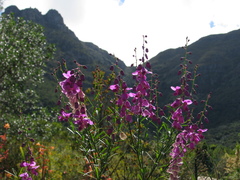 Polygala virgata Purple-broom Photo: CC BY, Todd Boland
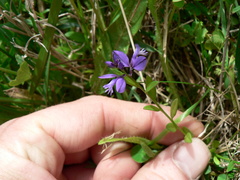 Polygala vulgaris Common milkwort Photo: CC BY, J Straka
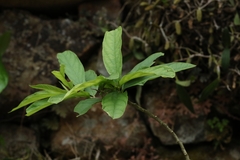 Polygala fallax Photo: CC0, Agnes Trekker
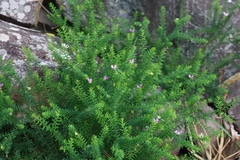 Polygala gazensis Photo: CC BY-SA, Tony Rebelo
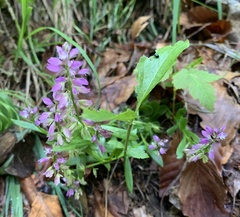 Polygala comosa Tufted milkwort Photo: CC BY, Katrin Simon
 Polygala amara Milkwort Photo: CC BY, Christian Berg
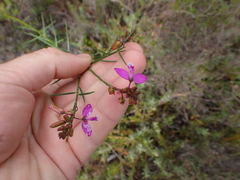 Polygala garcini Dainty Butterfly Bush Photo: CC BY-SA, Eugene Hahndiek
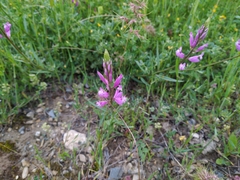 Polygala major Photo: CC BY-SA, love_hotel
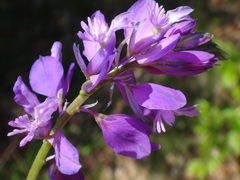 Polygala nicaeensis Photo: CC BY, Christian Berg
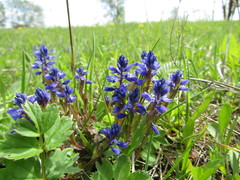 Polygala amarella Dwarf Milkwort Photo: CC0, art_leostrin
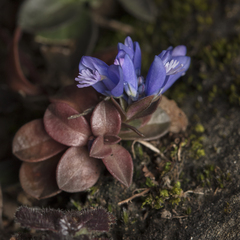 Polygala calcarea Chalk Milkwort Photo: CC BY, Tim Johnson
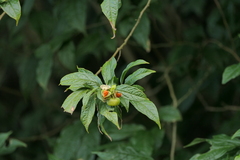 Polygala arillata Photo: CC BY-SA, Dinesh Valke
Grown: iNaturalist's observations of the species marked captive or cultivated; "not counted" where the species list does not count it. Native ranges: Kew's World Checklist of Vascular Plants (Govaerts et al., CC BY 4.0), file of 4 June 2026. Grown: iNaturalist's observations marked captive or cultivated, counted 17 October 2026 (the species list's count). Habitat climate known: the species page has a habitat climate, read from CHELSA's monthly climate and NASA POWER's daily extremes at its well-placed wild records inside Kew's native range; each page says its own sources and days. Record low: the lowest night in NASA POWER's daily series at the habitat's typical spot, as the species page gives it, held in °C to a tenth and shown in your units; each page says its own years and day read. Counts as the reference built on 19 November 2026 holds them. The CSV holds every result, not only this page's.