Ptisana
3 species in the reference · family Marattiaceae · 1 with a habitat climate · 3 grown, per iNaturalist
About the genus
Ptisana is a genus in the eusporangiate fern family Marattiaceae, comprising species historically treated in the genus Marattia. The establishment of this genus follows the 2008 work by Andrew G. Murdock, which supported recognition of this group on the basis of genetic analysis and morphology. Ptisana can be distinguished from Marattia by the presence of distinct sutures at the point of leaflet attachment, deeply cut synangia, and the absence of labiate sporangial apertures. The name Ptisana is derived from the Latin word for pearl barley, an allusion to the shape of the synangia.
Quoted from Wikipedia, "Ptisana", its opening paragraph, revision 1380939538, read 2026-11-08, CC BY-SA 4.0.
Where Ptisana is native
| Cook Is. | 1 |
|---|---|
| India | 1 |
| Marquesas | 1 |
| New Caledonia | 1 |
| New Zealand North | 1 |
| New Zealand South | 1 |
| Philippines | 1 |
| Queensland | 1 |
| Society Is. | 1 |
| Sulawesi | 1 |
| Taiwan | 1 |
| Tubuai Is. | 1 |
Species native to each region. A species counts in every region it is native to. Native ranges: Kew's World Checklist of Vascular Plants (Govaerts et al., CC BY 4.0), file of 4 June 2026.
3 species
Ptisana
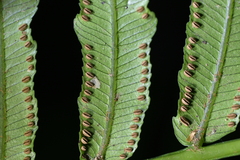 Ptisana salicina Photo: CC BY-SA, Christopher Stephens
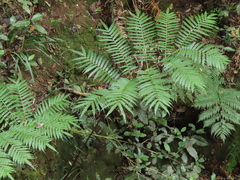 Ptisana fraxinea Pitted Potato Fern Photo: CC BY, Christiaan Viljoen
- no open photograph on file Ptisana pellucida
Grown: iNaturalist's observations of the species marked captive or cultivated; "not counted" where the species list does not count it. Native ranges: Kew's World Checklist of Vascular Plants (Govaerts et al., CC BY 4.0), file of 4 June 2026. Grown: iNaturalist's observations marked captive or cultivated, counted 17 October 2026 (the species list's count). Habitat climate known: the species page has a habitat climate, read from CHELSA's monthly climate and NASA POWER's daily extremes at its well-placed wild records inside Kew's native range; each page says its own sources and days. Record low: the lowest night in NASA POWER's daily series at the habitat's typical spot, as the species page gives it, held in °C to a tenth and shown in your units; each page says its own years and day read. Counts as the reference built on 19 November 2026 holds them. The CSV holds every result, not only this page's.