Romulea
114 species in the reference · family Iridaceae · 71 with a habitat climate · 9 grown, per iNaturalist, 105 not counted
About the genus
Romulea is a genus of flowering plants in the family Iridaceae, first described as a genus in 1772. It is found in Europe, the Mediterranean, the Arabian Peninsula, and Africa.
Quoted from Wikipedia, "Romulea", its opening paragraph, revision 1237538384, read 2026-11-08, CC BY-SA 4.0.
Where Romulea is native
| Cape Provinces | 82 |
|---|---|
| Morocco | 10 |
| Algeria | 8 |
| Corse | 7 |
| Sardegna | 7 |
| Italy | 6 |
| Lebanon-Syria | 6 |
| East Aegean Is. | 5 |
| France | 5 |
| Libya | 5 |
| Sicilia | 5 |
| Tunisia | 5 |
Species native to each region. A species counts in every region it is native to. Native ranges: Kew's World Checklist of Vascular Plants (Govaerts et al., CC BY 4.0), file of 4 June 2026.
114 species
Romulea
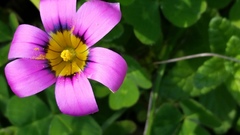 Romulea rosea Oniongrass Photo: CC BY, Alex
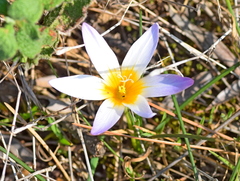 Romulea bulbocodium Crocus-leaved romulea Photo: CC BY, Kostas Zontanos
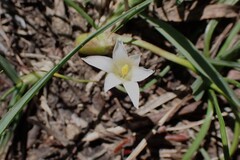 Romulea flava Common Greenbract Froetang Photo: CC BY, Karen Eichholz
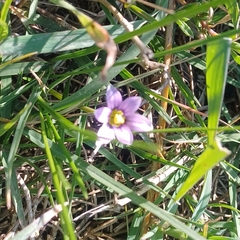 Romulea minutiflora Minute Froetang Photo: CC BY, Martjie Fia Fourie
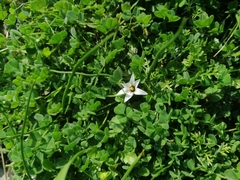 Romulea columnae Sand crocus Photo: CC BY, Pantazi Katerina
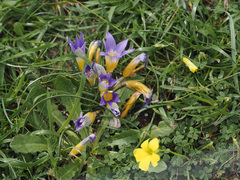 Romulea clusiana Photo: CC0, Tero Linjama
 Romulea ramiflora Branch Froetang Photo: CC BY, Felicia Seichter
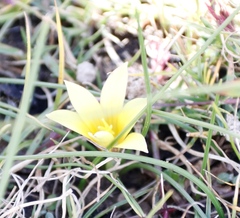 Romulea macowanii Grassveld Froetang Photo: CC BY-SA, Tony Rebelo
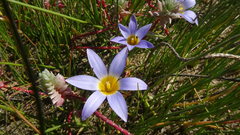 Romulea tabularis Table Froetang Photo: CC BY-SA, Paul Emms
- no open photograph on file Romulea albiflora
- no open photograph on file Romulea albomarginata
- no open photograph on file Romulea alticola
- no open photograph on file Romulea antiatlantica
 Romulea aquatica Water Froetang Photo: CC BY-SA, Jacques van der Merwe
Romulea arnaudii Photo: CC BY-SA, Maurice Vidal
 Romulea atrandra Barred Froetang Photo: CC BY-SA, Tony Rebelo
 Romulea austinii Silky Froetang Photo: CC BY-SA, Nicola van Berkel
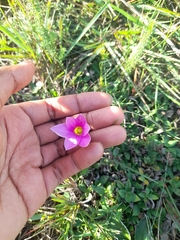 Romulea autumnalis Photo: CC BY, boiketlo lamula
 Romulea barkerae Photo: CC BY-SA, Jacques van der Merwe
 Romulea biflora Photo: CC BY-SA, Chris Vynbos
- no open photograph on file Romulea bocchierii
 Romulea camerooniana Escarpment Froetang Photo: CC BY-SA, grabbarg
- no open photograph on file Romulea cedarbergensis
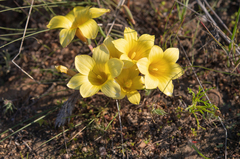 Romulea citrina Photo: CC BY, Morten Ross
- no open photograph on file Romulea collina
Romulea congoensis Photo: CC BY-SA, Susan Brown
- no open photograph on file Romulea corsica
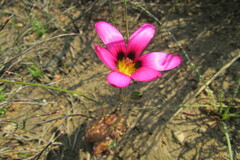 Romulea cruciata Photo: CC BY-SA, James Deacon
- no open photograph on file Romulea cyrenaica
 Romulea dichotoma Photo: CC0, Di Turner
- no open photograph on file Romulea discifera
 Romulea diversiformis Butter Froetang Photo: CC BY-SA, James Deacon
- no open photograph on file Romulea eburnea
- no open photograph on file Romulea elliptica
 Romulea engleri Photo: CC BY, Krzysztof Zairnek, Kenraiz
 Romulea eximia Darling Froetang Photo: CC BY, YvettevWijk
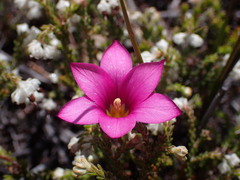 Romulea fibrosa Photo: CC BY, Ren Hoekstra
- no open photograph on file Romulea fischeri
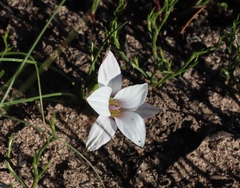 Romulea flexuosa Photo: CC BY-SA, Tony Rebelo
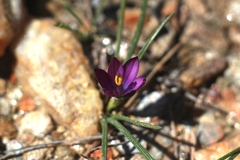 Romulea florentii Photo: CC BY, CorentinD
- no open photograph on file Romulea fuscomontana
 Romulea gigantea Photo: CC BY, Motohiro Sunouchi
- no open photograph on file Romulea gracillima
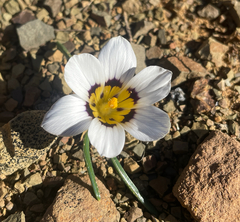 Romulea hallii Photo: CC BY, Justin Ponder
 Romulea hantamensis Hantam Froetang Photo: CC BY-SA, James Deacon
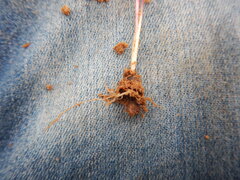 Romulea hirsuta Photo: CC BY-SA, James Deacon
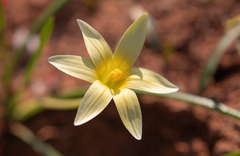 Romulea hirta Hairy Froetang Photo: CC BY, Morten Ross
- no open photograph on file Romulea insularis
Grown: iNaturalist's observations of the species marked captive or cultivated; "not counted" where the species list does not count it. Native ranges: Kew's World Checklist of Vascular Plants (Govaerts et al., CC BY 4.0), file of 4 June 2026. Grown: iNaturalist's observations marked captive or cultivated, counted 17 October 2026 (the species list's count). Habitat climate known: the species page has a habitat climate, read from CHELSA's monthly climate and NASA POWER's daily extremes at its well-placed wild records inside Kew's native range; each page says its own sources and days. Record low: the lowest night in NASA POWER's daily series at the habitat's typical spot, as the species page gives it, held in °C to a tenth and shown in your units; each page says its own years and day read. Counts as the reference built on 19 November 2026 holds them. The CSV holds every result, not only this page's.