Scaphosepalum
10 species in the reference · family Orchidaceae · 10 with a habitat climate · 8 grown, per iNaturalist, 2 not counted
About the genus
Scaphosepalum (from Greek "boatlike sepals") is a genus of plants belonging to the family Orchidaceae. The species in this genus are mostly found in Central and South America, with one species extending into southern Mexico. By their genus name, many species in this genus produce unusual and distinctive flowers; some possessing cushion-like characteristics reminiscent of an African buffalo's horns, others possessing characteristics of snake fangs.
Quoted from Wikipedia, "Scaphosepalum", its opening paragraph, revision 1380474057, read 2026-11-08, CC BY-SA 4.0.
Where Scaphosepalum is native
| Colombia | 8 |
|---|---|
| Ecuador | 7 |
| Bolivia | 2 |
| Costa Rica | 2 |
| Panama | 2 |
| Venezuela | 2 |
| Guatemala | 1 |
| Guyana | 1 |
| Honduras | 1 |
| Mexico Southeast | 1 |
| Peru | 1 |
Species native to each region. A species counts in every region it is native to. Native ranges: Kew's World Checklist of Vascular Plants (Govaerts et al., CC BY 4.0), file of 4 June 2026.
10 species
Scaphosepalum
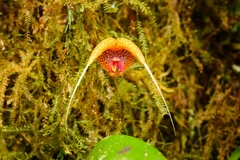 Scaphosepalum swertiifolium Photo: CC BY, Daniel Mesa
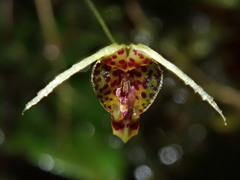 Scaphosepalum beluosum Photo: CC BY, Nolan Exe
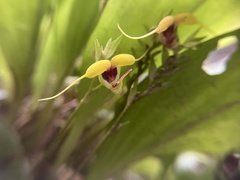 Scaphosepalum grande Photo: CC BY, harrier
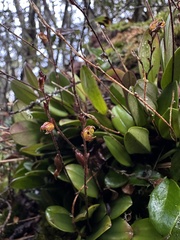 Scaphosepalum verrucosum Photo: CC BY, Nicolás Baresch Uribe
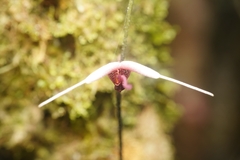 Scaphosepalum gibberosum Photo: CC BY, Daniel Mesa
 Scaphosepalum microdactylum Photo: CC BY-SA, Orchi
 Scaphosepalum ophidion Photo: CC BY-SA, yakovlev.alexey from Moscow, Russia
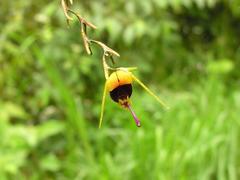 Scaphosepalum breve Photo: CC BY, Todd Boland
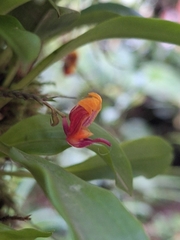 Scaphosepalum anchoriferum Photo: CC BY, Criss Acuña
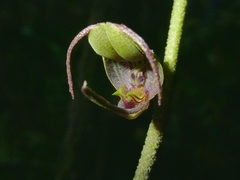 Scaphosepalum antenniferum Photo: CC BY, Daniel Mesa
Grown: iNaturalist's observations of the species marked captive or cultivated; "not counted" where the species list does not count it. Native ranges: Kew's World Checklist of Vascular Plants (Govaerts et al., CC BY 4.0), file of 4 June 2026. Grown: iNaturalist's observations marked captive or cultivated, counted 17 October 2026 (the species list's count). Habitat climate known: the species page has a habitat climate, read from CHELSA's monthly climate and NASA POWER's daily extremes at its well-placed wild records inside Kew's native range; each page says its own sources and days. Record low: the lowest night in NASA POWER's daily series at the habitat's typical spot, as the species page gives it, held in °C to a tenth and shown in your units; each page says its own years and day read. Counts as the reference built on 19 November 2026 holds them. The CSV holds every result, not only this page's.