Selaginella
72 species in the reference · family Selaginellaceae · 61 with a habitat climate · 64 grown, per iNaturalist, 8 not counted
About the genus
Selaginella, also known as spikemosses or lesser clubmosses, is a genus of lycophyte. It is usually treated as the only genus in the family Selaginellaceae, with over 750 known species.
Quoted from Wikipedia, "Selaginella", its opening paragraph, revision 1383900911, read 2026-11-08, CC BY-SA 4.0.
Where Selaginella is native
| China South-Central | 16 |
|---|---|
| China Southeast | 16 |
| Myanmar | 13 |
| Vietnam | 13 |
| Colombia | 12 |
| Mexico Northeast | 11 |
| Venezuela | 11 |
| Costa Rica | 10 |
| East Himalaya | 10 |
| Assam | 9 |
| Cambodia | 9 |
| Ecuador | 9 |
Species native to each region. A species counts in every region it is native to. Native ranges: Kew's World Checklist of Vascular Plants (Govaerts et al., CC BY 4.0), file of 4 June 2026.
72 species
Selaginella
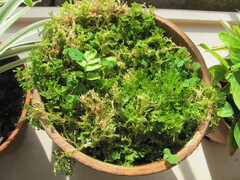 Selaginella kraussiana Krauss's Clubmoss Photo: CC BY, zebedeugalinha
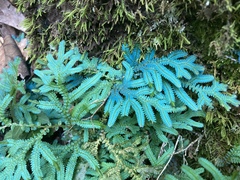 Selaginella uncinata Blue spikemoss Photo: CC0, Heather DeGaetano
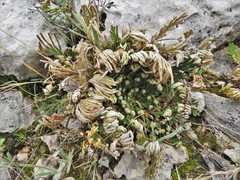 Selaginella lepidophylla Resurrection-plant Photo: CC BY, Annika Lindqvist
 Selaginella willdenowii Willdenow's spikemoss Photo: CC BY, avocat
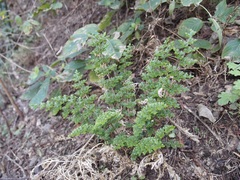 Selaginella pallescens Pale Spikemoss Photo: CC BY, Sue Carnahan
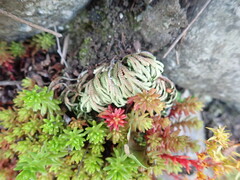 Selaginella tamariscina Little-club-moss Photo: CC BY, 村山史世 (Fumiyo MURAYAMA)
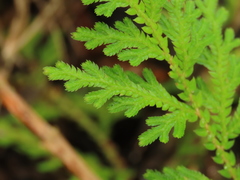 Selaginella delicatula Delicate spikemoss Photo: CC BY, chiuluan
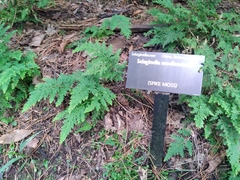 Selaginella moellendorffii Gemmiferous Spikemoss Photo: CC BY, Leon Perrie
 Selaginella erythropus Photo: Public domain, Daderot
 Selaginella martensii Photo: CC BY-SA, Valérie75
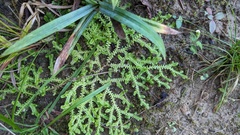 Selaginella apoda Meadow spikemoss Photo: CC BY, Eric Schmidt
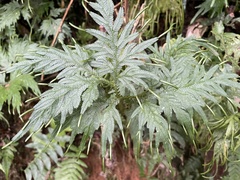 Selaginella plana Asian spikemoss Photo: CC BY, Cricket Raspet
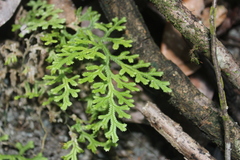 Selaginella doederleinii Greater selaginella Photo: CC BY, Ricard Busquets Reverte
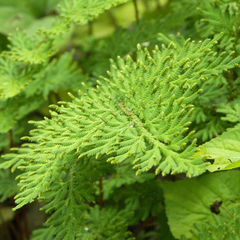 Selaginella braunii Braun's spikemoss Photo: CC BY, M. Whitson
 Selaginella picta Photo: CC BY-SA, Franz Xaver
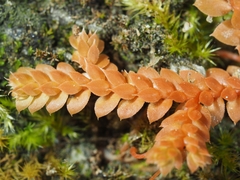 Selaginella denticulata Toothed-leaved Clubmoss Photo: CC BY, Mario Bassini
 Selaginella umbrosa Spikemoss Photo: CC BY-SA, Valérie75
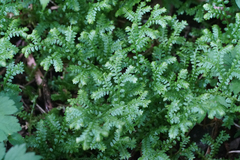 Selaginella remotifolia Loose-leaf selaginella Photo: CC BY, WATANABE Hitoshi 渡辺仁
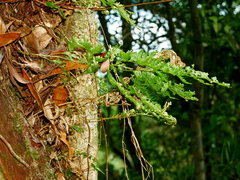 Selaginella involvens Tree spikemoss Photo: CC BY, Jacy Chen
 Selaginella bigelovii Bushy spikemoss Photo: CC BY-SA, Brendan Black
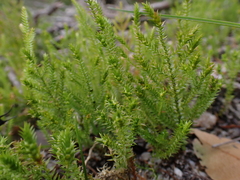 Selaginella uliginosa Swamp Selaginella Photo: CC BY, Todd Huang
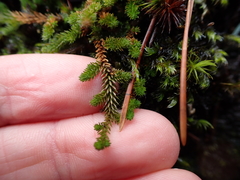 Selaginella wallacei Wallace's spikemoss Photo: CC0, Ellyne Geurts
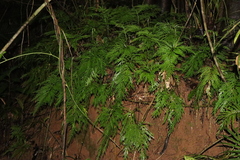 Selaginella longipinna Electric Fern Photo: CC BY, Thomas Mesaglio
 Selaginella sanguinolenta Photo: CC BY, Oleg Kosterin
- no open photograph on file Selaginella sericea
 Selaginella repanda Photo: CC0, 葉子
- no open photograph on file Selaginella amoena
 Selaginella grandis Photo: CC0, Daderot
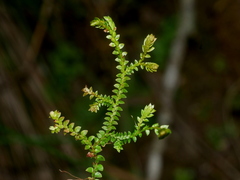 Selaginella helvetica Dwarf spikemoss Photo: CC BY, Jacy Chen
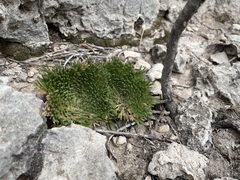 Selaginella pilifera Hairy Resurrection Plant Photo: CC BY, Martin Purdy
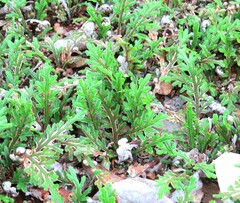 Selaginella convoluta Photo: CC BY-SA, Gustavo Sandres
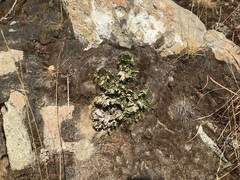 Selaginella pulvinata Photo: CC BY, 王天
 Selaginella vogelii Photo: CC BY-SA, Bachelot Pierre J-P
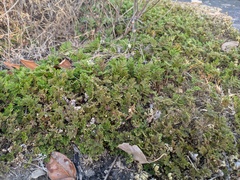 Selaginella bryopteris Photo: CC BY, Shikha Sreenivas
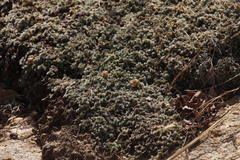 Selaginella dregei Photo: CC BY-SA, Tony Rebelo
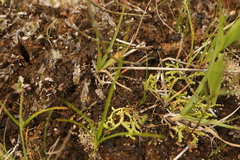 Selaginella eclipes Hidden spikemoss Photo: CC BY-SA, Henry "Nick" Robertson
 Selaginella haematodes Photo: CC BY-SA, Jerzy Opioła
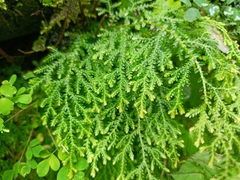 Selaginella labordei Photo: CC BY, Yinling Chen
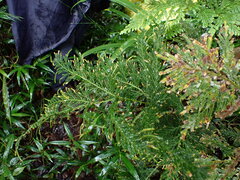 Selaginella lyallii Photo: CC BY, Louis Aureglia
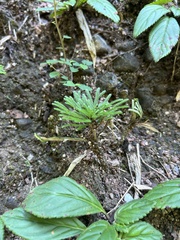 Selaginella orientalichinensis Photo: CC BY, eustreptospondylus
 Selaginella peruviana Peruvian spikemoss Photo: CC0, Evelyn Lazzaretti 🏳️⚧️
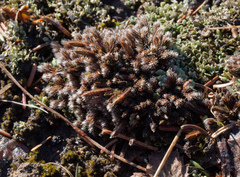 Selaginella rupestris Rock spikemoss Photo: CC BY-SA, bobkennedy
- no open photograph on file Selaginella velutina
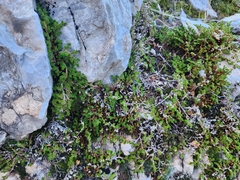 Selaginella arizonica Arizona spikemoss Photo: CC BY, Kaden Slone
 Selaginella biformis Photo: Public domain, Chhe
 Selaginella douglasii Douglas' spikemoss Photo: CC BY, Hilary Rose Dawson
 Selaginella elmeri Photo: Public domain, Daderot
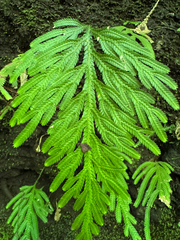 Selaginella flabellata Fan spikemoss Photo: CC BY, Matteo Bellucci
Grown: iNaturalist's observations of the species marked captive or cultivated; "not counted" where the species list does not count it. Native ranges: Kew's World Checklist of Vascular Plants (Govaerts et al., CC BY 4.0), file of 4 June 2026. Grown: iNaturalist's observations marked captive or cultivated, counted 17 October 2026 (the species list's count). Habitat climate known: the species page has a habitat climate, read from CHELSA's monthly climate and NASA POWER's daily extremes at its well-placed wild records inside Kew's native range; each page says its own sources and days. Record low: the lowest night in NASA POWER's daily series at the habitat's typical spot, as the species page gives it, held in °C to a tenth and shown in your units; each page says its own years and day read. Counts as the reference built on 19 November 2026 holds them. The CSV holds every result, not only this page's.