Stachytarpheta
9 species in the reference · family Verbenaceae · 9 with a habitat climate · 9 grown, per iNaturalist
About the genus
Stachytarpheta is a plant genus in the verbena family (Verbenaceae). The flowers are rich in nectar and popular with many butterflies, such as the South Asian crimson rose, Malabar banded swallowtail, and grass yellow. Hummingbirds, especially small species like Lophornis coquettes, Chlorostilbon emeralds, and Discosura thorntails, are especially attracted for nectar. Several species in this genus are known as porterweeds. More on Wikipedia
Quoted from Wikipedia, "Stachytarpheta", its opening paragraph, revision 1354837373, read 2026-11-08, CC BY-SA 4.0.
Where Stachytarpheta is native
| Mexico Southeast | 6 |
|---|---|
| Mexico Southwest | 6 |
| Venezuela | 6 |
| Belize | 5 |
| Colombia | 5 |
| Costa Rica | 5 |
| Guatemala | 5 |
| Honduras | 5 |
| Mexico Gulf | 5 |
| Nicaragua | 5 |
| Brazil North | 4 |
| Brazil Northeast | 4 |
Species native to each region. A species counts in every region it is native to. Native ranges: Kew's World Checklist of Vascular Plants (Govaerts et al., CC BY 4.0), file of 4 June 2026.
9 species
Stachytarpheta
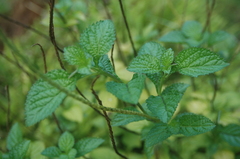 Stachytarpheta urticifolia Nettleleaf velvetberry Photo: CC0, 哈爸
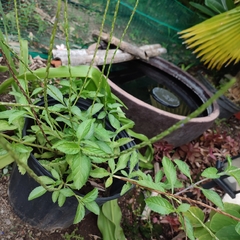 Stachytarpheta jamaicensis Jamaica vervain Photo: CC0, Sofie Meeus
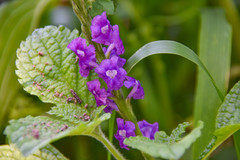 Stachytarpheta cayennensis Blue snakeweed Photo: CC BY, Jay Pruett
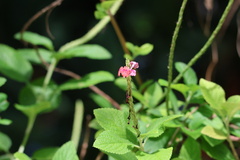 Stachytarpheta mutabilis Changeable velvetberry Photo: CC BY, Aitor
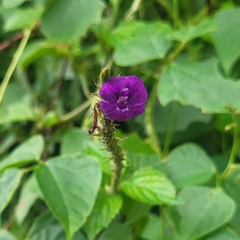 Stachytarpheta frantzii Purple porterweed Photo: CC0, Camille Boucher
 Stachytarpheta indica Photo: CC BY-SA, Manoj Karingamadathil
- no open photograph on file Stachytarpheta microphylla Dwarf Red Porterweed
 Stachytarpheta miniacea Red Porterweed Photo: CC BY, Mauricio Soto David
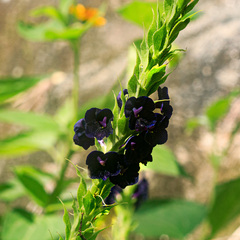 Stachytarpheta orubica Photo: CC BY, Elkin Meriño Florez
Grown: iNaturalist's observations of the species marked captive or cultivated; "not counted" where the species list does not count it. Native ranges: Kew's World Checklist of Vascular Plants (Govaerts et al., CC BY 4.0), file of 4 June 2026. Grown: iNaturalist's observations marked captive or cultivated, counted 17 October 2026 (the species list's count). Habitat climate known: the species page has a habitat climate, read from CHELSA's monthly climate and NASA POWER's daily extremes at its well-placed wild records inside Kew's native range; each page says its own sources and days. Record low: the lowest night in NASA POWER's daily series at the habitat's typical spot, as the species page gives it, held in °C to a tenth and shown in your units; each page says its own years and day read. Counts as the reference built on 19 November 2026 holds them. The CSV holds every result, not only this page's.