Stenocereus
16 species in the reference · family Cactaceae · 16 with a habitat climate · 16 grown, per iNaturalist
About the genus
Stenocereus, from Ancient Greek στενός (stenós), meaning "narrow", and Latin cēreus, meaning "candle", is a genus of columnar or tree-like cacti from the Baja California Peninsula and other parts of Mexico, Arizona in the United States, Colombia, Costa Rica, Guatemala, Venezuela, and the West Indies. The genus has been enlarged by the addition of species from several other genera. A close relative is the peculiar chinoa or chende cactus, Polaskia chende.
Quoted from Wikipedia, "Stenocereus", its opening paragraph, revision 1370195463, read 2026-11-08, CC BY-SA 4.0.
Where Stenocereus is native
| Mexico Southwest | 10 |
|---|---|
| Mexico Northwest | 7 |
| Mexico Central | 6 |
| Mexico Northeast | 6 |
| Guatemala | 2 |
| Mexico Gulf | 2 |
| Mexico Southeast | 2 |
| Arizona | 1 |
| Aruba | 1 |
| Colombia | 1 |
| Cuba | 1 |
| Dominican Republic | 1 |
Species native to each region. A species counts in every region it is native to. Native ranges: Kew's World Checklist of Vascular Plants (Govaerts et al., CC BY 4.0), file of 4 June 2026.
16 species
Stenocereus
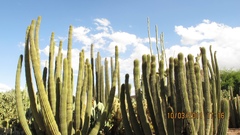 Stenocereus thurberi Organ pipe cactus Photo: CC BY, Nguyễn Văn Hùng
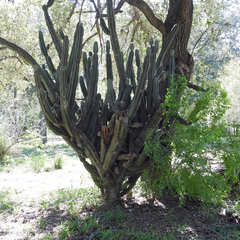 Stenocereus huastecorum Photo: CC0, TheMongrelKoi
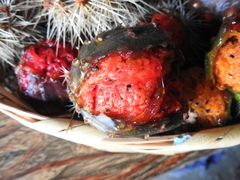 Stenocereus queretaroensis Pitaya de Queretaro Photo: CC BY-SA, Oscar Alejandro Morales Juárez
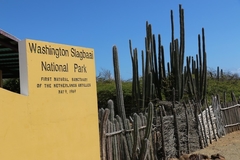 Stenocereus griseus Tall candelabra cactus Photo: CC BY, Rick Farwell
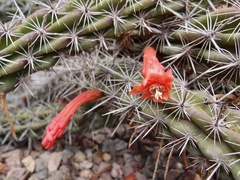 Stenocereus alamosensis Octopus cactus Photo: CC BY, Sue Carnahan
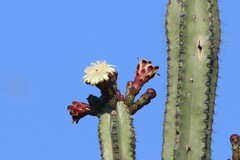 Stenocereus pruinosus Photo: CC BY, Dan Riley
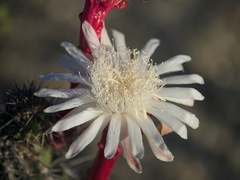 Stenocereus gummosus Galloping Cactus Photo: CC BY, Bill Levine
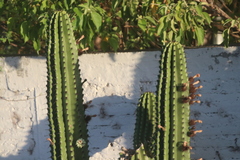 Stenocereus martinezii Photo: CC BY-SA, Juan Cruzado Cortés
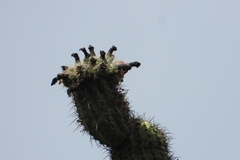 Stenocereus stellatus Photo: CC BY, Ricardo Betancourt Sánchez
 Stenocereus eruca Creeping Devil Photo: CC BY, Jose Luis Leon de la Luz
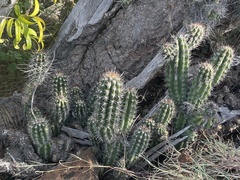 Stenocereus heptagonus Spanish stenocereus Photo: CC BY, Robin White
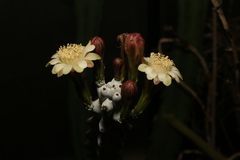 Stenocereus beneckei Photo: CC BY, Reid Hardin
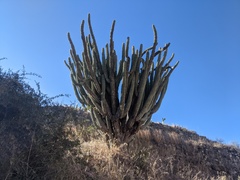 Stenocereus treleasei Photo: CC BY, Zac Peterson
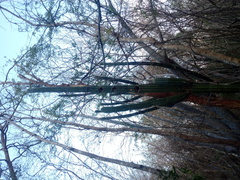 Stenocereus chacalapensis Photo: CC BY, Carlos Domínguez-Rodríguez
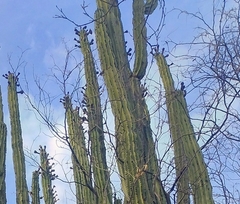 Stenocereus montanus Photo: CC BY-SA, Adrian Bojorquez
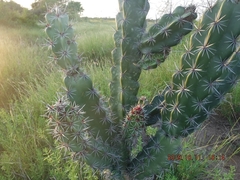 Stenocereus standleyi Photo: CC0, Oscar Gonzalez Diaz
Grown: iNaturalist's observations of the species marked captive or cultivated; "not counted" where the species list does not count it. Native ranges: Kew's World Checklist of Vascular Plants (Govaerts et al., CC BY 4.0), file of 4 June 2026. Grown: iNaturalist's observations marked captive or cultivated, counted 17 October 2026 (the species list's count). Habitat climate known: the species page has a habitat climate, read from CHELSA's monthly climate and NASA POWER's daily extremes at its well-placed wild records inside Kew's native range; each page says its own sources and days. Record low: the lowest night in NASA POWER's daily series at the habitat's typical spot, as the species page gives it, held in °C to a tenth and shown in your units; each page says its own years and day read. Counts as the reference built on 19 November 2026 holds them. The CSV holds every result, not only this page's.