Strychnos
7 species in the reference · family Loganiaceae · 7 with a habitat climate · 7 grown, per iNaturalist
About the genus
Strychnos is a genus of flowering plants, belonging to the family Loganiaceae (sometimes Strychnaceae). The genus includes about 200 accepted species of trees and lianas. The genus is widely distributed around the world's tropics and is noted for the presence of poisonous indole alkaloids in the roots, stems and leaves of various species. Among these alkaloids are the well-known and deadly poisons strychnine and curare.
Quoted from Wikipedia, "Strychnos", its opening paragraph, revision 1356403684, read 2026-11-08, CC BY-SA 4.0.
Where Strychnos is native
| Malawi | 4 |
|---|---|
| Northern Provinces | 4 |
| Tanzania | 4 |
| Zambia | 4 |
| Zimbabwe | 4 |
| Angola | 3 |
| Botswana | 3 |
| Caprivi Strip | 3 |
| Kenya | 3 |
| KwaZulu-Natal | 3 |
| Madagascar | 3 |
| Mozambique | 3 |
Species native to each region. A species counts in every region it is native to. Native ranges: Kew's World Checklist of Vascular Plants (Govaerts et al., CC BY 4.0), file of 4 June 2026.
7 species
Strychnos
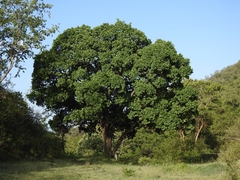 Strychnos nux-vomica Strychnine tree Photo: CC BY, rajesh rocky
 Strychnos spinosa Natal orange Photo: CC BY-SA, Brian du Preez
 Strychnos madagascariensis Hairy-leaved monkey-orange Photo: CC BY, Mahomed Desai
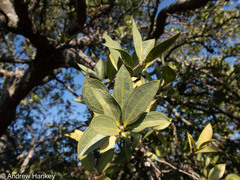 Strychnos pungens Green Monkey Orange Photo: CC BY-SA, Andrew Hankey
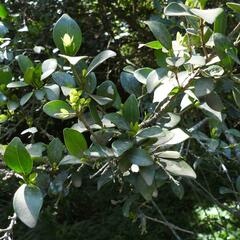 Strychnos decussata Cape-Teak Photo: CC BY, Henry de Lange
- no open photograph on file Strychnos nigricans
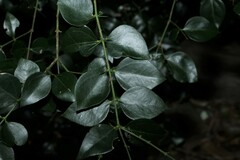 Strychnos psilosperma Strychnine Tree Photo: CC BY-SA, Greg Tasney
Grown: iNaturalist's observations of the species marked captive or cultivated; "not counted" where the species list does not count it. Native ranges: Kew's World Checklist of Vascular Plants (Govaerts et al., CC BY 4.0), file of 4 June 2026. Grown: iNaturalist's observations marked captive or cultivated, counted 17 October 2026 (the species list's count). Habitat climate known: the species page has a habitat climate, read from CHELSA's monthly climate and NASA POWER's daily extremes at its well-placed wild records inside Kew's native range; each page says its own sources and days. Record low: the lowest night in NASA POWER's daily series at the habitat's typical spot, as the species page gives it, held in °C to a tenth and shown in your units; each page says its own years and day read. Counts as the reference built on 19 November 2026 holds them. The CSV holds every result, not only this page's.