Stylidium
5 species in the reference · family Stylidiaceae · 5 with a habitat climate · 5 grown, per iNaturalist
About the genus
Stylidium (the triggerplants or trigger plants) is a genus of dicotyledonous plants that belong to the family Stylidiaceae. The genus name Stylidium is derived from the Greek στύλος or stylos (column or pillar), which refers to the distinctive reproductive structure that its flowers possess. Pollination is achieved through the use of the sensitive "trigger", which comprises the male and female reproductive organs fused into a floral column that snaps forward quickly in response to touch, harmlessly covering the insect in pollen. Most of the approximately 300 species are only found in Australia, making it the fifth largest genus in that country. More on Wikipedia
Quoted from Wikipedia, "Stylidium", its opening paragraph, revision 1312331731, read 2026-11-08, CC BY-SA 4.0.
Where Stylidium is native
| New South Wales | 2 |
|---|---|
| Queensland | 2 |
| Tasmania | 2 |
| Victoria | 2 |
| Western Australia | 2 |
| South Australia | 1 |
Species native to each region. A species counts in every region it is native to. Native ranges: Kew's World Checklist of Vascular Plants (Govaerts et al., CC BY 4.0), file of 4 June 2026.
5 species
Stylidium
 Stylidium graminifolium Grass triggerplant Photo: CC BY-SA, Greg Tasney
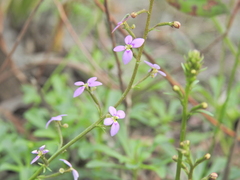 Stylidium debile Frail trigger plant Photo: CC BY, Scott W. Gavins
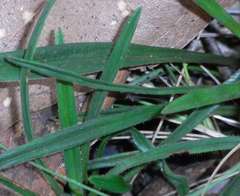 Stylidium armeria Photo: CC BY, Russell Best
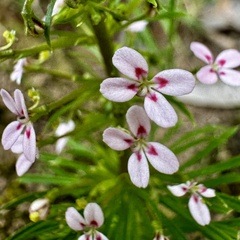 Stylidium adnatum Common Beaked Triggerplant Photo: CC BY, pimelea
 Stylidium affine Queen Triggerplant Photo: CC BY, pimelea
Grown: iNaturalist's observations of the species marked captive or cultivated; "not counted" where the species list does not count it. Native ranges: Kew's World Checklist of Vascular Plants (Govaerts et al., CC BY 4.0), file of 4 June 2026. Grown: iNaturalist's observations marked captive or cultivated, counted 17 October 2026 (the species list's count). Habitat climate known: the species page has a habitat climate, read from CHELSA's monthly climate and NASA POWER's daily extremes at its well-placed wild records inside Kew's native range; each page says its own sources and days. Record low: the lowest night in NASA POWER's daily series at the habitat's typical spot, as the species page gives it, held in °C to a tenth and shown in your units; each page says its own years and day read. Counts as the reference built on 19 November 2026 holds them. The CSV holds every result, not only this page's.