
Adansonia fony Baill.
English names not checked: Wikidata's common names were not read for this page.


 12 photographs ›
About the genus · Adansonia
Adansonia is a genus of medium-to-large deciduous trees known as baobabs or boababs. The eight species of Adansonia are native to Africa, Australia, and Madagascar but have also been introduced to other regions of the world, including Barbados, where several of the baobabs there are suspected to have originated from Africa. Other baobabs have been introduced to Asia. More on Wikipedia ›
Quoted from Wikipedia, "Adansonia", CC BY-SA 4.0.
Cultivation
Climate across the habitat
Natural habitat
This species has no GBIF key of its own. Its records are GBIF's under the key of the name Kew's World Checklist holds as this plant: 7807931 (Adansonia fony Baill., 3 records). No name was matched to GBIF; the keys are read from Kew's synonymy. How.
Photographs


Photographs: Jose Antonio, Public domain, via Wikimedia Commons (2); LoJallen, CC BY-SA 4.0, via Wikimedia Commons; Wayne77, CC BY-SA 4.0, via Wikimedia Commons (3).
Related
Other Adansonia 7 in the reference
 Adansonia digitata Baobab Photo: CC BY, Robert Taylor
 Adansonia grandidieri Grandidier's baobab Photo: CC0, author not stated
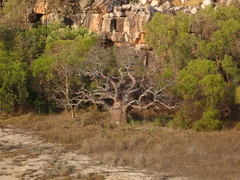 Adansonia gregorii Australian baobab Photo: CC BY, Stella Fish
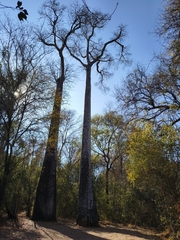 Adansonia madagascariensis Madagascar Baobab Photo: CC BY, jeanjacquesgodon
 Adansonia perrieri Perrier's baobab Photo: CC BY, voyage-madagascar.org from…
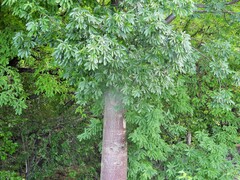 Adansonia suarezensis Suarez baobab Photo: CC BY, amantedarmanin
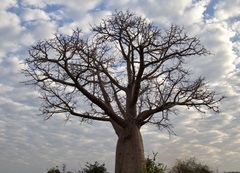 Adansonia za Za baobab Photo: CC BY, Rui Ribeiro
Names & registers
The record
Every figure here is derived from public data by a stated rule and names its source; nothing about this species is written for its page by a person or by AI, apart from the marked, credited quotations. How →
Where this page came from built 2026-10-22
kew.names answeredas of 2026-06-04Kew's entry Adansonia fony Baill. (plant_name_id 2621136), read from Kew's names filegbif.species not askedGBIF's backbone holds no one accepted species of this name, and a name it holds only as another species' synonym is not taken for this one, so GBIF's records were not askedgbif.synonyms not askedGBIF's backbone holds no one accepted species of this name, and a name it holds only as another species' synonym is not taken for this one, so GBIF's records were not askedgbif.vernacular not askedGBIF's backbone holds no one accepted species of this name, and a name it holds only as another species' synonym is not taken for this one, so GBIF's records were not askedwcvp.distribution answeredas of 2026-06-04gbif.occurrences answeredas of 2026-10-21this species has no GBIF key of its own; its records are read under GBIF's keys for the names Kew's file holds as this plant, never by a name matched; GBIF occurrence download https://doi.org/10.15468/dl.hbdw64, of 2026-10-21; 3 records of GBIF's key 7807931, Adansonia fony Baill. (Kew's file holds it as Adansonia fony Baill. (accepted)): the GBIF downloadclimate nothing to reportasked 2026-10-222 in-range records, none placed to within 10 kmwikidata answeredasked 2026-10-22found by Kew's IPNI identifier 558629-1, POWO 558629-1wikipedia nothing to reportasked 2026-10-22inat.photos.wild not askedinat.photos.cultivated not askedgbif.media not askedGBIF's backbone holds no one accepted species of this name, and a name it holds only as another species' synonym is not taken for this one, so GBIF's records were not askedcommons answeredasked 2026-10-22openalex not askednot yet asked for this reference; a later fill takes the papers from OpenAlex's snapshotEvery source is recorded as having answered, reported nothing, refused, failed, not been asked, or answered twice where one answer is taken (“not taken: two items answered”), and, for a source asked when this page was built, when: the figures are as the source held them that day; a source read from a file (Kew's World Checklist, a GBIF download) says "as of" the file's day instead; a row carried from an earlier build of the page names that build instead. Only “nothing to report” is ever shown as an absence. Records came from 1 datasets via GBIF.org; each carries its own licence.