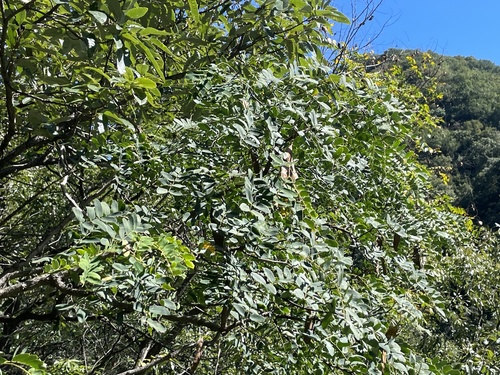
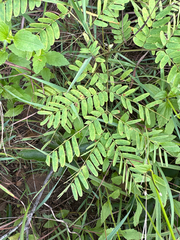
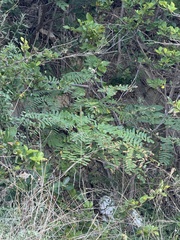
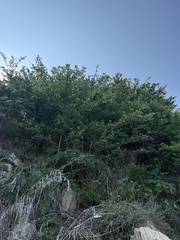
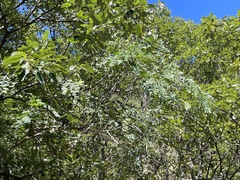
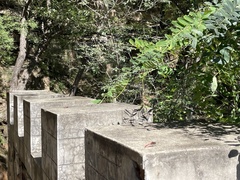
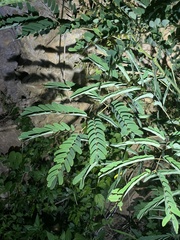
 23 photographs ›
About the genus · Albizia
Albizia is a genus of more than 160 species of mostly fast-growing subtropical and tropical trees and shrubs in the subfamily Mimosoideae of the family Fabaceae. The genus is pantropical, occurring in Asia, Africa, Madagascar, America and Australia, but mostly in the Old World tropics. In some locations, some species are considered weeds.
Quoted from Wikipedia, "Albizia", CC BY-SA 4.0.
Cultivation
Climate across the habitat
Natural habitat
Photographs
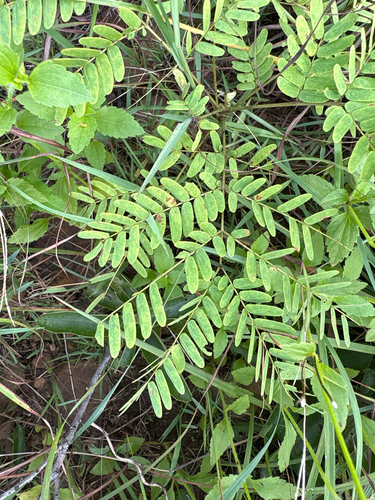

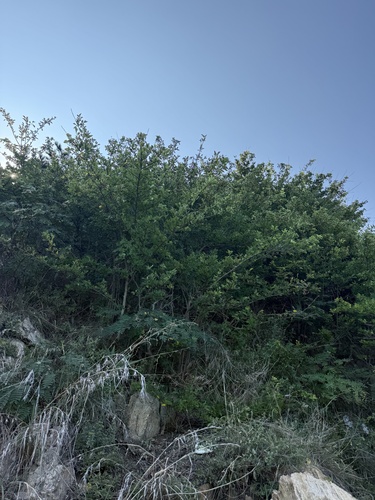
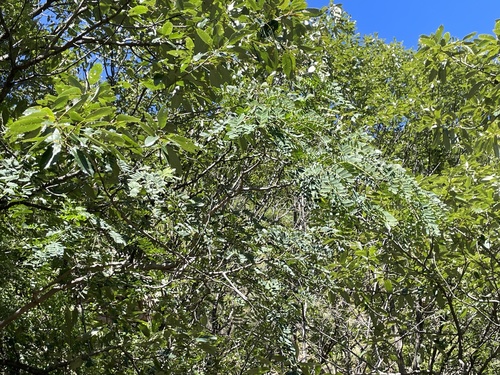
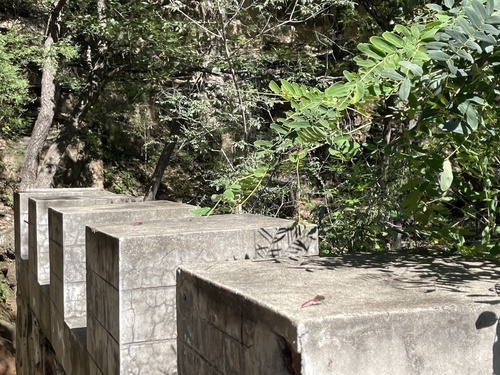
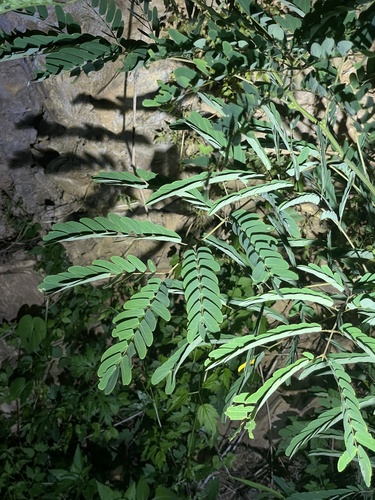
Photographs: (c) 黃美滿, some rights reserved (CC BY); (c) Jane Charlen, some rights reserved (CC BY) (5).
Related
Other Albizia 15 in the reference
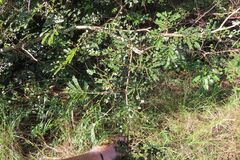 Albizia adianthifolia West African albizia Photo: CC BY, Bruno - Yolande Zanette
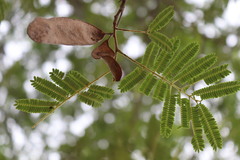 Albizia amara Krishna Siris Photo: CC BY-SA, Vikas D Prasad
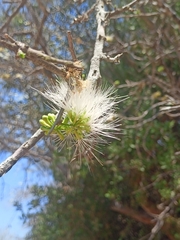 Albizia anthelmintica Worm-bark false-thorn Photo: CC BY, Malte Krömer
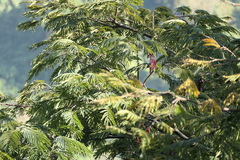 Albizia chinensis Chinese albizia Photo: CC BY-SA, Dinesh Valke
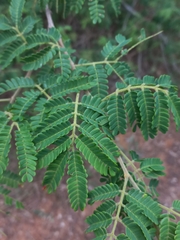 Albizia forbesii Broad-pod Albizia Photo: CC BY-SA, Brian du Preez
 Albizia guillainii Fabaceae Photo: CC BY-SA, Monofruit
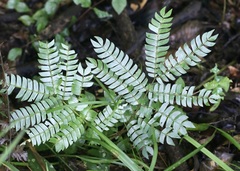 Albizia gummifera Peacock Flower Photo: CC BY, Dr. Alexey Yakovlev
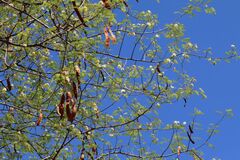 Albizia harveyi Bushveld Albizia Photo: CC BY, Alan Manson
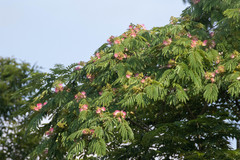 Albizia julibrissin Silk tree Photo: CC BY, WATANABE Hitoshi 渡辺仁
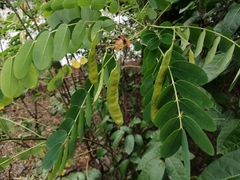 Albizia lebbeck Woman's tongue Photo: CC BY, 五色鳥 Albizia lucida Fabaceae
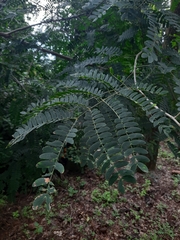 Albizia odoratissima Ceylon rosewood Photo: CC0, author not stated all 16 ›
Names & registers
Also known as Acacia macrophylla; Albizia coreana; Albizia esquirolii; Albizia glabrior; Albizia julibrissin var. glabrior and 8 more. (GBIF Backbone)
Kew accepts as species of their own Albizia henryi; Albizia macrophylla: older names in GBIF's record of this species that Kew's World Checklist accepts as other species. (WCVP, RBG Kew, file of 2026-06-04)
Under another author Albizia julibrissin Baker is an older name of this species, not Albizia julibrissin, a species of the reference. (GBIF Backbone)
The record
Every figure here is derived from public data by a stated rule and names its source; nothing about this species is written for its page by a person or by AI, apart from the marked, credited quotations. How →
Where this page came from built 2026-10-21
gbif.species answeredasked 2026-10-21gbif.synonyms answeredasked 2026-10-21gbif.vernacular answeredasked 2026-10-21names fetched 2026-10-21wcvp.distribution answeredas of 2026-06-04gbif.occurrences answeredas of 2026-10-21GBIF occurrence download https://doi.org/10.15468/dl.hbdw64, of 2026-10-21; 12 records within 1 km of a botanic garden, herbarium or zoo left out (12 at a botanic garden or arboretum; Wikidata's list)climate nothing to reportasked 2026-10-21no georeferenced record inside the rangewikidata answeredasked 2026-10-21wikipedia nothing to reportasked 2026-10-21inat.photos.wild answeredasked 2026-10-22from iNaturalist's open data of 2026-09-27: research-grade observations with an open-licence photograph, the 24 whose photographs iNaturalist received last (the open data holds no votes); filled 2026-10-22inat.photos.cultivated not askedgbif.media answeredasked 2026-10-21none of the photographs on this page is credited to GBIF: those shown are other sources', and GBIF's were the same photographs or were set aside by the photograph rulesopenalex not askednot yet asked for this reference; a later fill takes the papers from OpenAlex's snapshotEvery source is recorded as having answered, reported nothing, refused, failed, not been asked, or answered twice where one answer is taken (“not taken: two items answered”), and, for a source asked when this page was built, when: the figures are as the source held them that day; a source read from a file (Kew's World Checklist, a GBIF download) says "as of" the file's day instead; a row carried from an earlier build of the page names that build instead. Only “nothing to report” is ever shown as an absence. Records came from 42 datasets via GBIF.org; each carries its own licence.