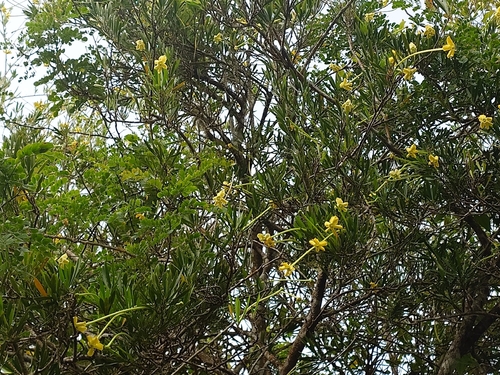
Brunfelsia densifolia Krug & Urb.
Serpentine Hill raintree
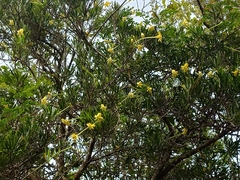
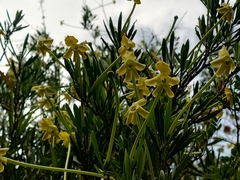
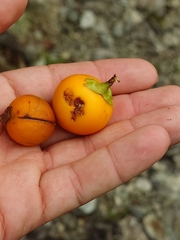
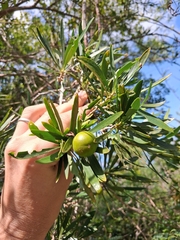
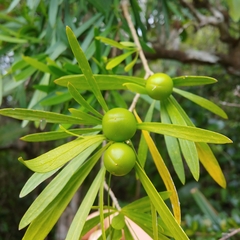
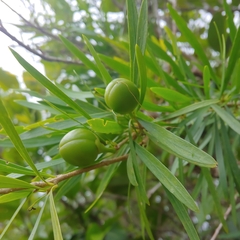 23 photographs ›
Summary
Brunfelsia densifolia is a species of flowering plant in the nightshade family known by the common name Serpentine Hill raintree. It is native to Puerto Rico.
Quoted from Wikipedia, "Brunfelsia densifolia", CC BY-SA 4.0.
About the genus · Brunfelsia
Brunfelsia is a genus of flowering plants belonging to subfamily Petunioideae of the nightshade family Solanaceae. The 50 or so species have been grouped into the three sections: Brunfelsia, Franciscea and Guianenses, which differ significantly in both distribution and characteristics, although molecular data have revealed that only two sections are natural (monophyletic), namely the Caribbean section Brunfelsia and a common section for all South American species. Linnaeus named the genus for the early German herbalist Otto Brunfels (1488–1534).
Quoted from Wikipedia, "Brunfelsia", CC BY-SA 4.0.
Cultivation
Climate across the habitat
Natural habitat
How this section is made
Photographs
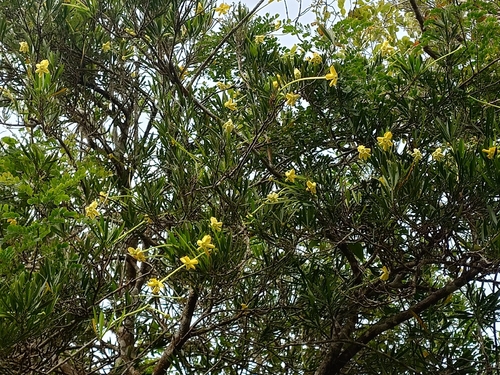
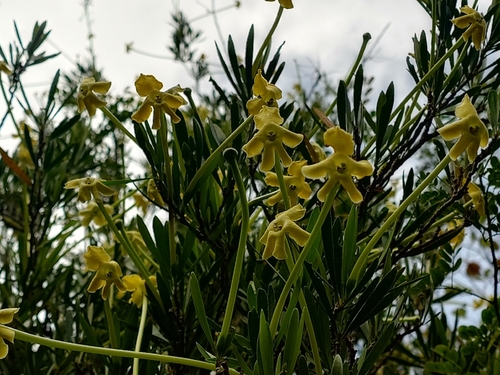
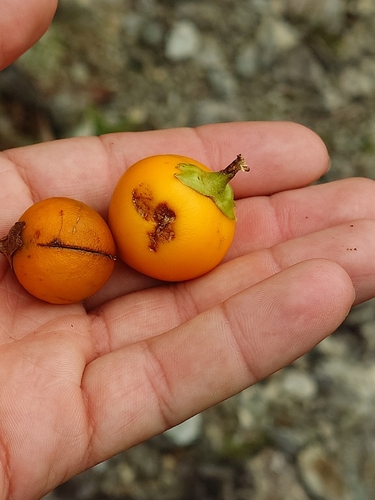
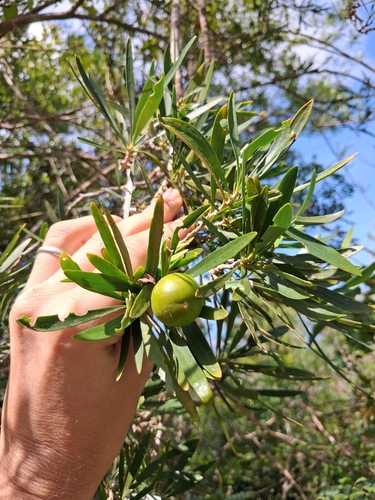


Photographs: (c) Giovanny Vargas, some rights reserved (CC BY) (3); (c) Kurt Miller, some rights reserved (CC BY-SA) (3).
Related
Other Brunfelsia 11 in the reference
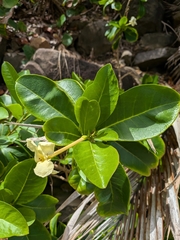 Brunfelsia americana Lady of the night Photo: CC BY, Guillaume Delaitre
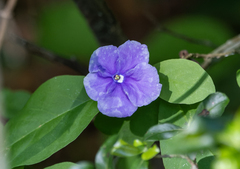 Brunfelsia australis Paraguay jasmine Photo: CC BY, David F. Belmonte
 Brunfelsia brasiliensis Solanaceae Photo: CC BY-SA, *Spatz* at de.wikipedia
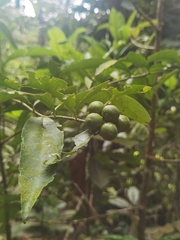 Brunfelsia grandiflora Largeflower brunfelsia Photo: CC BY, Eduardo Chacón Madrigal
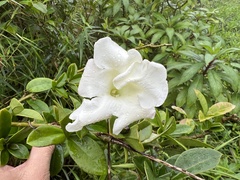 Brunfelsia lactea Vega blanca Photo: CC0, author not stated
 Brunfelsia latifolia Solanaceae Photo: CC BY-SA, Ixitixel
 Brunfelsia nitida Cuban raintree Photo: CC BY, Scott Zona from Miami, Florida, USA
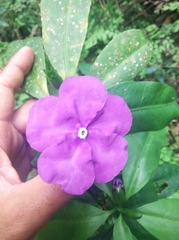 Brunfelsia pauciflora Brazil raintree Photo: CC BY, Ben Costamagna
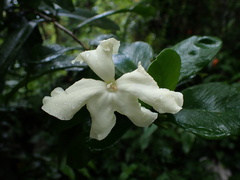 Brunfelsia portoricensis Puerto Rico raintree Photo: CC BY, Cricket Raspet
 Brunfelsia undulata Jamaican raintree Photo: CC BY-SA, Bernard Loison
 Brunfelsia uniflora Manaca Photo: CC BY, Diogo Luiz
Names & registers
The record
Every figure here is derived from public data by a stated rule and names its source; nothing about this species is written for its page by a person or by AI, apart from the marked, credited quotations. How →
Where this page came from built 2026-10-21
gbif.species answeredasked 2026-10-21gbif.synonyms answeredasked 2026-10-21gbif.vernacular answeredasked 2026-10-21names fetched 2026-10-21wcvp.distribution answeredas of 2026-06-04gbif.occurrences answeredas of 2026-10-21GBIF occurrence download https://doi.org/10.15468/dl.hbdw64, of 2026-10-21; 3 records within 1 km of a botanic garden, herbarium or zoo left out (3 at a botanic garden or arboretum; Wikidata's list)climate nothing to reportasked 2026-10-2139 in-range records, none placed to within 10 kmwikidata answeredasked 2026-10-21wikipedia answeredasked 2026-10-21inat.photos.wild answeredasked 2026-10-22from iNaturalist's open data of 2026-09-27: research-grade observations with an open-licence photograph, the 24 whose photographs iNaturalist received last (the open data holds no votes); filled 2026-10-22inat.photos.cultivated not askedgbif.media answeredasked 2026-10-21none of the photographs on this page is credited to GBIF: those shown are other sources', and GBIF's were the same photographs or were set aside by the photograph rulescommons answeredasked 2026-10-21openalex not askednot yet asked for this reference; a later fill takes the papers from OpenAlex's snapshotEvery source is recorded as having answered, reported nothing, refused, failed, not been asked, or answered twice where one answer is taken (“not taken: two items answered”), and, for a source asked when this page was built, when: the figures are as the source held them that day; a source read from a file (Kew's World Checklist, a GBIF download) says "as of" the file's day instead; a row carried from an earlier build of the page names that build instead. Only “nothing to report” is ever shown as an absence. Records came from 13 datasets via GBIF.org; each carries its own licence.