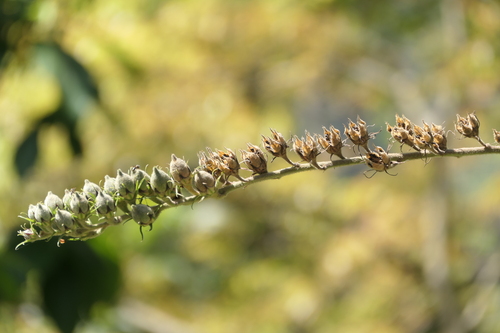
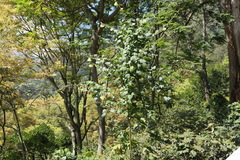
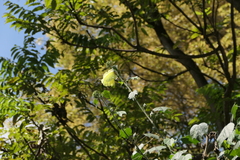
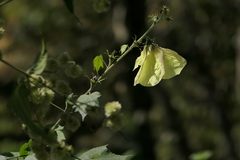
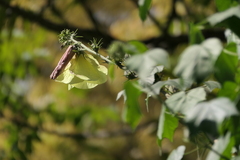
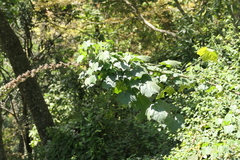
 34 photographs ›
Summary
Hibiscus lunariifolius, the lunaria-leaf hibiscus, is a species of flowering plant in the family Malvaceae, native to India and Sri Lanka, and introduced to quite a number of seasonally dry tropical areas in Africa. It is cultivated in Nigeria for its fiber, a good quality analog of jute.
Quoted from Wikipedia, "Hibiscus lunariifolius", CC BY-SA 4.0.
About the genus · Hibiscus
Hibiscus is a genus of plants in the family Malvaceae native to the tropics and subtropics. The genus is quite large, comprising 319 species. Hibiscus are renowned for their large, showy flowers and those species are commonly known simply as "hibiscus", or less widely known as rose mallow. More on Wikipedia ›
Quoted from Wikipedia, "Hibiscus", CC BY-SA 4.0.
Cultivation
Climate across the habitat
Natural habitat
Photographs
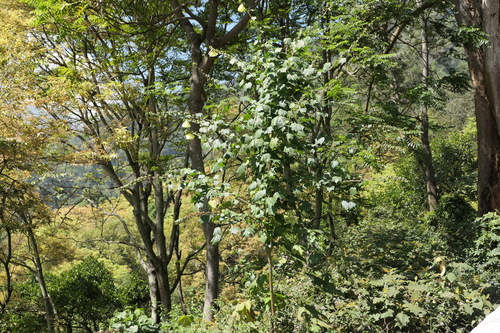
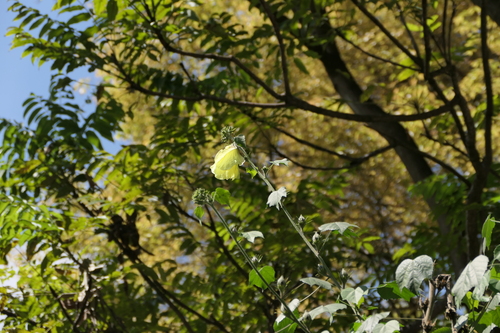
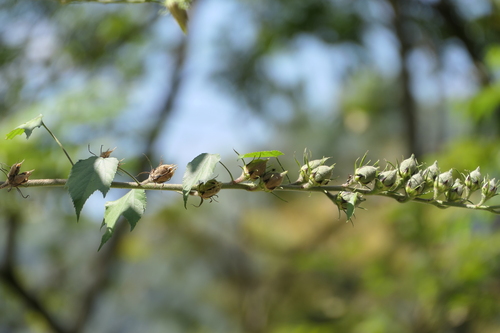
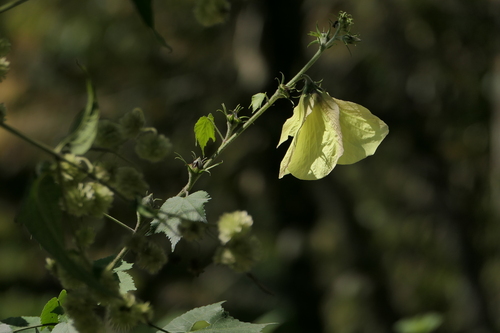
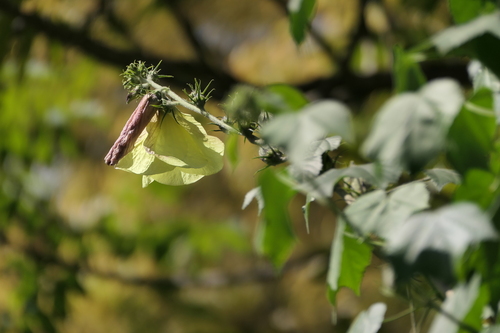
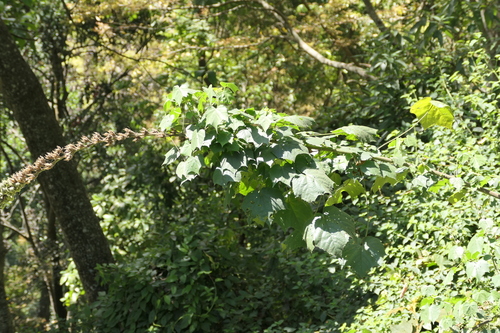
Photographs: (c) Dinesh Valke, some rights reserved (CC BY-SA) (6).
Related
Other Hibiscus 54 in the reference
 Hibiscus acetosella Malvaceae Photo: CC BY-SA, Zuin
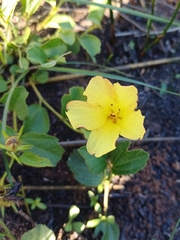 Hibiscus aethiopicus Cape Hibiscus Photo: CC BY, Martjie Fia Fourie Hibiscus aridicola Malvaceae
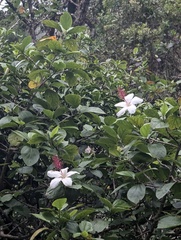 Hibiscus arnottianus White Molokai Hibiscus Photo: CC0, author not stated
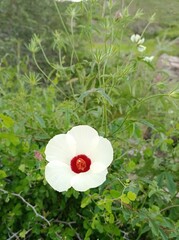 Hibiscus biseptus Arizona rose-mallow Photo: CC BY, Jose Luis Leon de la Luz
 Hibiscus boryanus Malvaceae Photo: CC BY-SA, Planete Terre
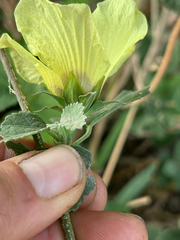 Hibiscus calyphyllus Lemonyellow rosemallow Photo: CC0, author not stated
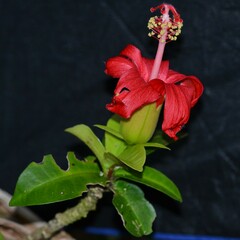 Hibiscus clayi Clay's hibiscus Photo: CC0, author not stated
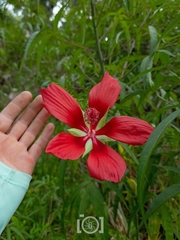 Hibiscus coccineus Scarlet rose-mallow Photo: CC0, author not stated
 Hibiscus columnaris Malvaceae Photo: CC BY-SA, Claude Marodon Hibiscus cooperi Malvaceae
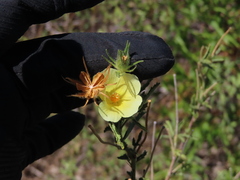 Hibiscus coulteri Desert rose-mallow Photo: CC BY, Ulises Pinedo all 55 ›
Names & registers
Also known as Cotyloplecta dongolensis; Cotyloplecta macrantha; Hibiscus petiolosus; Hibiscus pruriens; Hibiscus racemosus. (GBIF Backbone)
The record
Every figure here is derived from public data by a stated rule and names its source; nothing about this species is written for its page by a person or by AI, apart from the marked, credited quotations. How →
Where this page came from built 2026-10-22
gbif.species answeredasked 2026-10-22gbif.synonyms answeredasked 2026-10-22gbif.vernacular answeredasked 2026-10-22names fetched 2026-10-22wcvp.distribution answeredas of 2026-06-04gbif.occurrences answeredas of 2026-10-21GBIF occurrence download https://doi.org/10.15468/dl.hbdw64, of 2026-10-21; 2 records within 1 km of a botanic garden, herbarium or zoo left out (2 at a botanic garden or arboretum; Wikidata's list)climate nothing to reportasked 2026-10-22only 1 distinct land cell of the climate grid holds an in-range record placed to within 10 km; three are needed for an envelopewikidata answeredasked 2026-10-22wikipedia answeredasked 2026-10-22inat.photos.wild answeredasked 2026-10-22from iNaturalist's open data of 2026-09-27: research-grade observations with an open-licence photograph, the 24 whose photographs iNaturalist received last (the open data holds no votes); filled 2026-10-22inat.photos.cultivated not askedgbif.media answeredasked 2026-10-22openalex not askednot yet asked for this reference; a later fill takes the papers from OpenAlex's snapshotEvery source is recorded as having answered, reported nothing, refused, failed, not been asked, or answered twice where one answer is taken (“not taken: two items answered”), and, for a source asked when this page was built, when: the figures are as the source held them that day; a source read from a file (Kew's World Checklist, a GBIF download) says "as of" the file's day instead; a row carried from an earlier build of the page names that build instead. Only “nothing to report” is ever shown as an absence. Records came from 20 datasets via GBIF.org; each carries its own licence.