
Oenothera × fallax Renner
Intermediate Evening-Primrose
A hybrid: O. biennis × O. glazioviana, the parents Kew's World Checklist states for it (WCVP, RBG Kew).


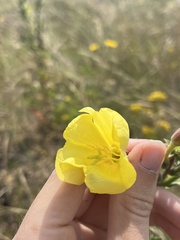
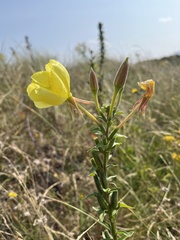 22 photographs ›
About the genus · Oenothera
Oenothera is a genus of about 160 species of herbaceous flowering plants native to the Americas. The genus includes the plants known as common evening primrose, narrow-leaved sundrops and white gaura. It is the type genus of the family Onagraceae. More on Wikipedia ›
Quoted from Wikipedia, "Oenothera", CC BY-SA 4.0.
Cultivation
Climate across the habitat
Natural habitat
Photographs


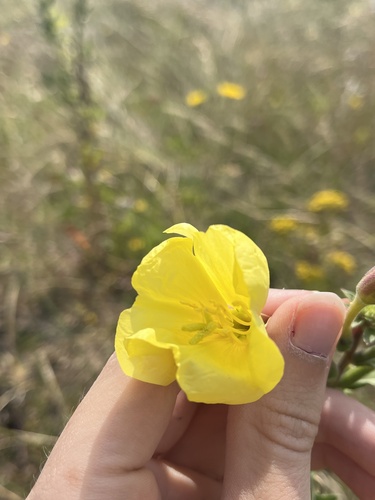
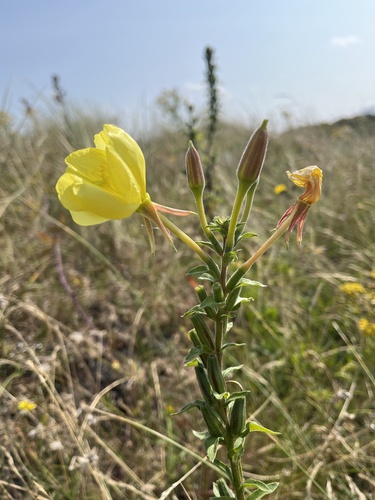
Photographs: Barbara Ciosek, CC BY-SA, via GBIF (3); Melanie Pohl, CC BY-SA, via GBIF; Sean Hartnett, CC BY, iNaturalist via GBIF (2).
Related
Other Oenothera 59 in the reference
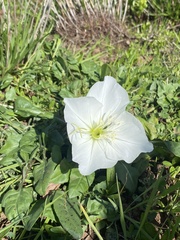 Oenothera acaulis Onagraceae Photo: CC BY, Gabriela Cartes
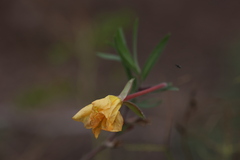 Oenothera affinis Longflower evening primrose Photo: CC BY, Andrea Gantzer
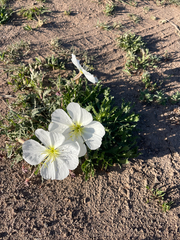 Oenothera albicaulis Onagraceae Photo: CC0, author not stated
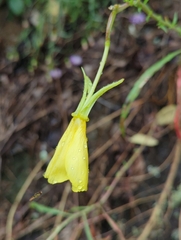 Oenothera argillicola Shale barren evening primrose Photo: CC BY, Tom Field
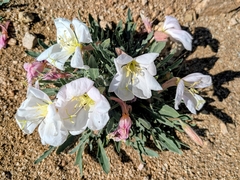 Oenothera avita California evening primrose Photo: CC BY, James Fowler
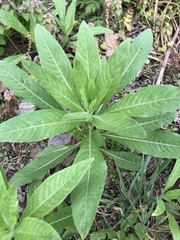 Oenothera biennis Common evening-primrose Photo: CC BY, Andrew Conboy
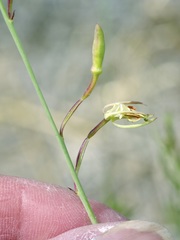 Oenothera calcicola Texas beeblossom Photo: CC BY, Michelle W. (鍾偉瑋)
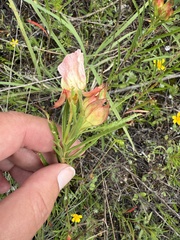 Oenothera capillifolia Berlandier's suncups Photo: CC BY, ashleyrsteel
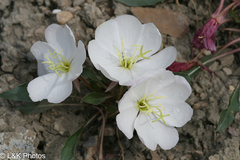 Oenothera cespitosa Tufted evening-primrose Photo: CC0, author not stated
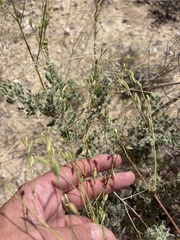 Oenothera cinerea Woolly beeblossom Photo: CC BY, Sam Kieschnick
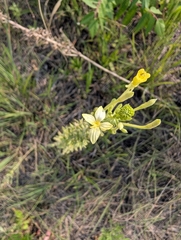 Oenothera clelandii Cleland's evening-primrose Photo: CC0, author not stated
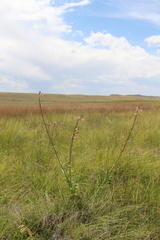 Oenothera coloradensis New Mexico beeblossom Photo: CC BY, Austin Saunders all 60 ›
Names & registers
Also known as Oenothera biennis var. cantabrigiana. (GBIF Backbone)
Under another author Oenothera glazioviana x suaveolens is an older name of this species, not Oenothera glazioviana, a species of the reference. (GBIF Backbone)
The record
Every figure here is derived from public data by a stated rule and names its source; nothing about this species is written for its page by a person or by AI, apart from the marked, credited quotations. How →
Where this page came from built 2026-10-22
gbif.species answeredasked 2026-10-22gbif.synonyms answeredasked 2026-10-22gbif.vernacular answeredasked 2026-10-22names fetched 2026-10-22wcvp.distribution answeredas of 2026-06-04Kew's entry lists no native region, only 16 where it is introducedgbif.occurrences answeredas of 2026-10-21GBIF occurrence download https://doi.org/10.15468/dl.hbdw64, of 2026-10-21; 57 records within 1 km of a botanic garden, herbarium or zoo left out (31 at a botanic garden or arboretum, 10 at a herbarium, 16 at a zoo; Wikidata's list)climate nothing to reportasked 2026-10-22native range not verified: no WCVP distribution with native status for this name, so records cannot be told from cultivation and no habitat climate is derivedwikidata answeredasked 2026-10-22wikipedia nothing to reportasked 2026-10-22inat.taxon not askedinat.photos.wild not askedinat.photos.cultivated not askedgbif.media answeredasked 2026-10-22openalex not askednot yet asked for this reference; a later fill takes the papers from OpenAlex's snapshotEvery source is recorded as having answered, reported nothing, refused, failed, not been asked, or answered twice where one answer is taken (“not taken: two items answered”), and, for a source asked when this page was built, when: the figures are as the source held them that day; a source read from a file (Kew's World Checklist, a GBIF download) says "as of" the file's day instead; a row carried from an earlier build of the page names that build instead. Only “nothing to report” is ever shown as an absence. Records came from 96 datasets via GBIF.org; each carries its own licence.