
Phoenix rupicola T.Anderson
East Indian wine palm; Indian date palm; Cliff date; Wild date palm
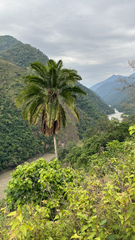
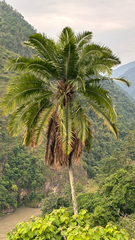
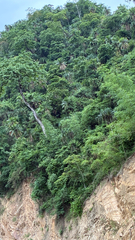
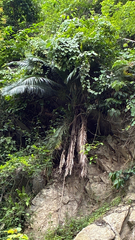
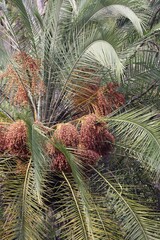
 17 photographs ›
Summary
Phoenix rupicola (rupicola - Latin, inhabitant of rocks) or cliff date palm is a species of flowering plant in the palm family, native to the mountainous forests of India and Bhutan from 300 to 1,200 m (980 to 3,940 ft), usually occurring on cliffs, hillsides and similar terrain. It is threatened by habitat loss in its native range. On the other hand, the species is reportedly naturalised in the Andaman Islands, the Leeward Islands, Cuba and Puerto Rico and a specimen has recently been reported in Saint Lucia.
Quoted from Wikipedia, "Phoenix rupicola", CC BY-SA 4.0.
Cultivation
Climate across the habitat
Natural habitat
How this section is made
Photographs
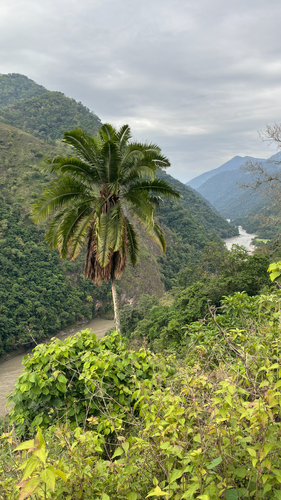
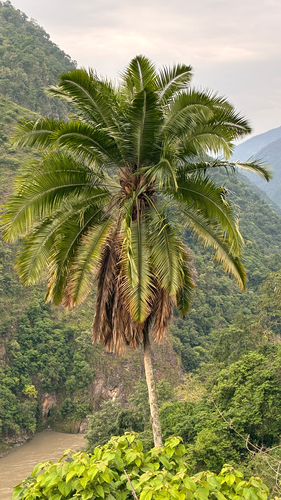
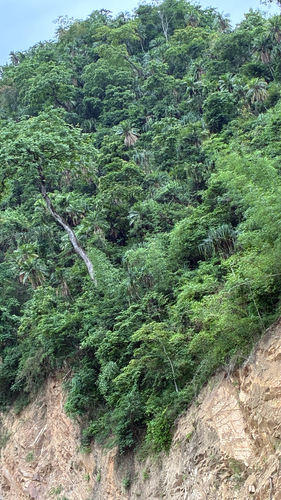
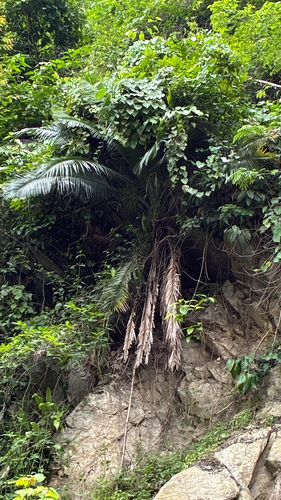
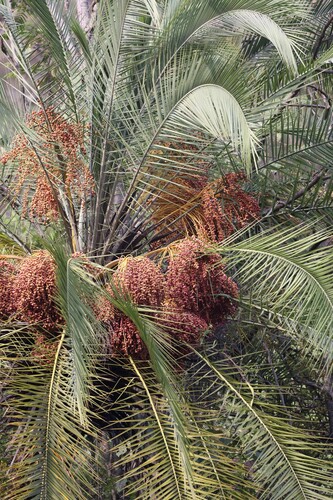

Photographs: (c) chintan sheth, some rights reserved (CC BY) (4); (c) Gannu03, some rights reserved (CC BY-SA); DominusVobiscum, CC BY-SA 2.0, via Wikimedia Commons.
Related
Other Phoenix 9 in the reference
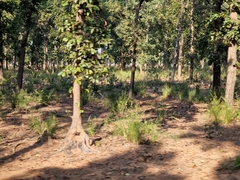 Phoenix acaulis Dwarf date palm Photo: CC BY, Jens-Christian Svenning
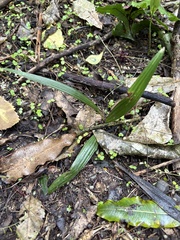 Phoenix canariensis Canary Island date palm Photo: CC BY, Cara-Lisa Schloots
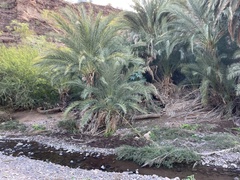 Phoenix dactylifera Date palm Photo: CC BY, Sula Vanderplank
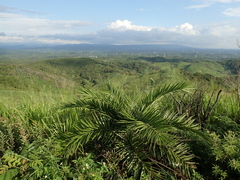 Phoenix loureiroi Loureir's date palm Photo: CC0, author not stated
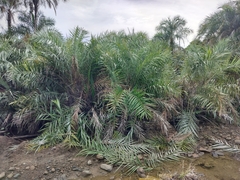 Phoenix paludosa Mangrove date palm Photo: CC BY, Jyotsna Nag
 Phoenix reclinata Senegal date palm Photo: CC BY, traianbertau
 Phoenix roebelenii Pygmy date palm Photo: CC BY, Mark Richman
 Phoenix sylvestris Wild date palm Photo: CC BY, John Brew
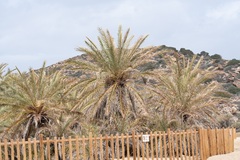 Phoenix theophrasti Cretan date palm Photo: CC BY, Eleftherios Katsillis
Names & registers
The record
Every figure here is derived from public data by a stated rule and names its source; nothing about this species is written for its page by a person or by AI, apart from the marked, credited quotations. How →
Where this page came from built 2026-10-22
gbif.species answeredasked 2026-10-22gbif.synonyms answeredasked 2026-10-22gbif.vernacular answeredasked 2026-10-22names fetched 2026-10-22wcvp.distribution answeredas of 2026-06-04gbif.occurrences answeredas of 2026-10-21GBIF occurrence download https://doi.org/10.15468/dl.hbdw64, of 2026-10-21; 3 records within 1 km of a botanic garden, herbarium or zoo left out (3 at a botanic garden or arboretum; Wikidata's list)climate nothing to reportasked 2026-10-22only 1 distinct land cell of the climate grid holds an in-range record placed to within 10 km; three are needed for an envelopewikidata answeredasked 2026-10-22wikipedia answeredasked 2026-10-22inat.photos.wild answeredasked 2026-10-22from iNaturalist's open data of 2026-09-27: research-grade observations with an open-licence photograph, the 24 whose photographs iNaturalist received last (the open data holds no votes); filled 2026-10-22inat.photos.cultivated not askedgbif.media answeredasked 2026-10-22none of the photographs on this page is credited to GBIF: those shown are other sources', and GBIF's were the same photographs or were set aside by the photograph rulescommons answeredasked 2026-10-22openalex not askednot yet asked for this reference; a later fill takes the papers from OpenAlex's snapshotEvery source is recorded as having answered, reported nothing, refused, failed, not been asked, or answered twice where one answer is taken (“not taken: two items answered”), and, for a source asked when this page was built, when: the figures are as the source held them that day; a source read from a file (Kew's World Checklist, a GBIF download) says "as of" the file's day instead; a row carried from an earlier build of the page names that build instead. Only “nothing to report” is ever shown as an absence. Records came from 12 datasets via GBIF.org; each carries its own licence.