Aspleniaceae
262 species in 18 genera · 243 with a habitat climate · 224 grown, per iNaturalist, 38 not counted
Most native to: Japan 71China South-Central 70China Southeast 69Taiwan 67Vietnam 45Myanmar 44East Himalaya 43Korea 43Nepal 40Philippines 40China North-Central 38Thailand 38
A species counts in every region it is native to. Native ranges: Kew's World Checklist of Vascular Plants (Govaerts et al., CC BY 4.0), file of 4 June 2026.
262 species
Aspleniaceae
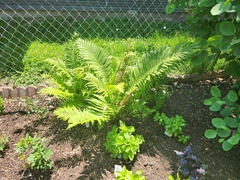 Onoclea struthiopteris Ostrich fern Photo: CC BY, Kaden Slone
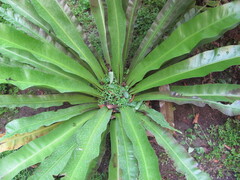 Asplenium nidus Hawai'i birdnest fern Photo: CC BY, zebedeugalinha
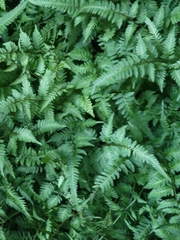 Athyrium niponicum Oriental Ladyfern Photo: CC0, andrew2285
 Asplenium scolopendrium Hart's-tongue fern Photo: CC BY-SA, harum.koh
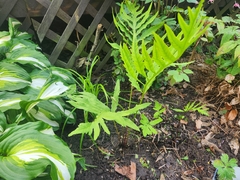 Onoclea sensibilis Sensitive fern Photo: CC BY, Jessica Williams
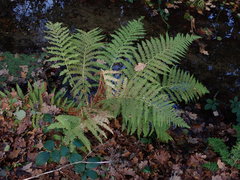 Athyrium filix-femina Lady-fern Photo: CC BY, Daniel Cahen
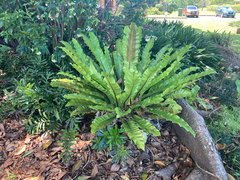 Asplenium australasicum Bird's-nest fern Photo: CC BY, Samuel Cooper
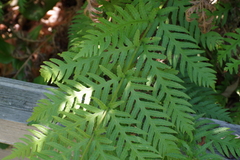 Woodwardia fimbriata Giant chain fern Photo: CC0, Don Johnston
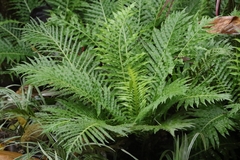 Blechnum gibbum Photo: CC0, Agnes Trekker
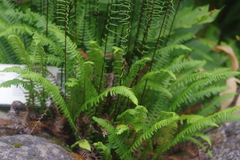 Blechnum spicant Deer fern Photo: CC0, Don Johnston
 Thelypteris kunthii Kunth's maiden fern Photo: CC BY, Michael J. Papay
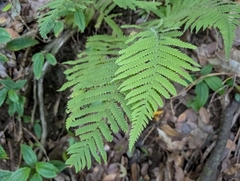 Thelypteris parasitica Parasitic maiden fern Photo: CC0, Damien Wallace
 Asplenium antiquum Bird’s-nest fern Photo: CC BY, Cheng-Te Hsu
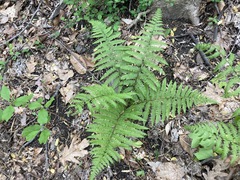 Athyrium asplenioides Southern lady fern Photo: CC BY, tkr421
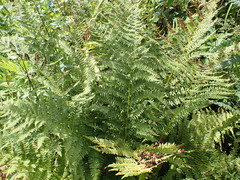 Athyrium angustum Subarctic lady fern Photo: CC BY, Steven Lamonde
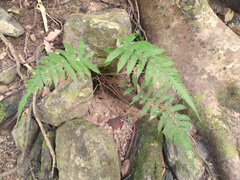 Thelypteris dentata Downy maiden fern Photo: CC BY-SA, Steve Fitzgerald
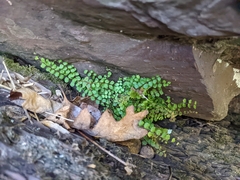 Asplenium trichomanes Maidenhair spleenwort Photo: CC BY, Alina Martin
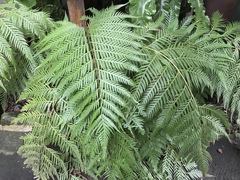 Woodwardia prolifera Photo: CC BY, Pieter Pelser
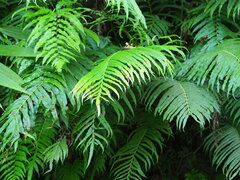 Blechnum orientale Photo: CC0, 葉子
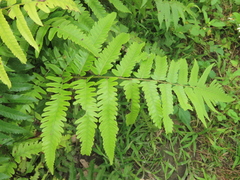 Diplazium esculentum Vegetable fern Photo: CC BY, chiuluan
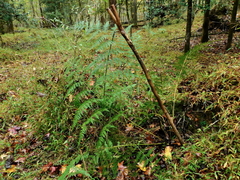 Macrothelypteris torresiana Swordfern Photo: CC BY, Michael J. Papay
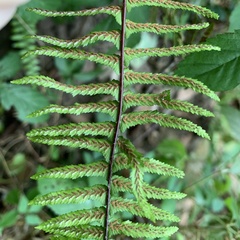 Asplenium platyneuron Ebony spleenwort Photo: CC BY, Laura Clark
 Blechnum brasiliense Photo: CC BY-SA, alessandradalia
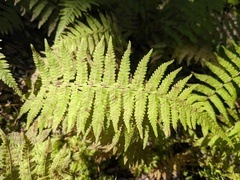 Thelypteris noveboracensis New York fern Photo: CC BY, Laura J. Costello
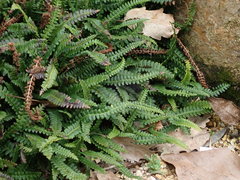 Blechnum penna-marina Photo: CC BY, Daniel Cahen
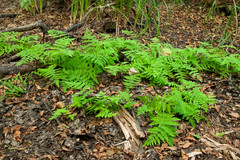 Thelypteris palustris Marsh fern Photo: CC0, Yehor Yatsiuk
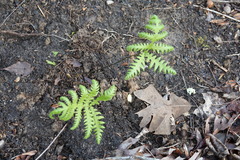 Phegopteris hexagonoptera Broad beech fern Photo: CC BY, stephen
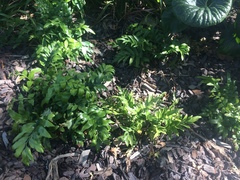 Asplenium oblongifolium Photo: CC BY, Alice Shanks
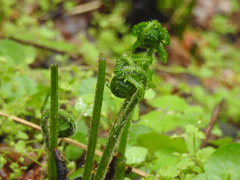 Deparia acrostichoides Silvery spleenwort Photo: CC BY, Navin Sasikumar
- no open photograph on file Diplaziopsis pycnocarpos
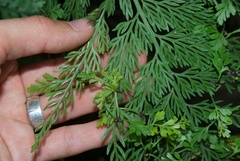 Asplenium bulbiferum Hen-and-chickens Photo: CC BY, Jon Sullivan
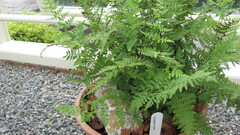 Cystopteris fragilis Brittle bladder fern Photo: CC BY, zebedeugalinha
 Woodwardia areolata Netted chainfern Photo: CC BY, Matt Pelikan
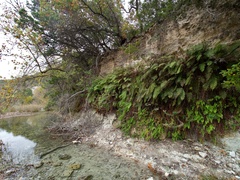 Thelypteris ovata Ovate marsh fern Photo: CC BY-SA, Turner Brockman
 Deparia petersenii Japanese false spleenwort Photo: CC0, Jenny Christianson
 Asplenium ceterach Rustyback Photo: CC BY, zebedeugalinha
 Blechnum discolor Photo: CC BY, Lek Khauv
 Woodwardia radicans Chain fern Photo: CC BY, Javier Sánchez Álvarez
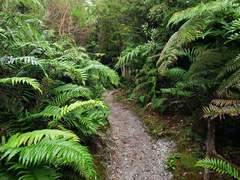 Blechnum chilense Photo: CC BY, Cesar Ormazabal
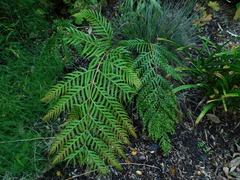 Woodwardia orientalis Oriental chain fern Photo: CC BY, Michael J. Papay
Asplenium gracillimum Photo: CC BY, Alice Shanks
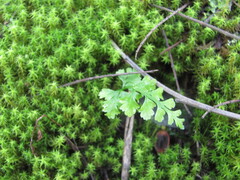 Asplenium adiantum-nigrum Black spleenwort Photo: CC BY, zebedeugalinha
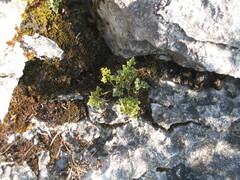 Asplenium ruta-muraria Wall-rue Photo: CC BY, zebedeugalinha
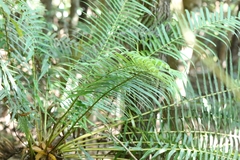 Blechnum insigne Photo: CC0, Agnes Trekker
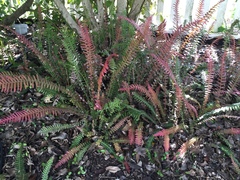 Blechnum parrisiae Photo: CC BY, noelw
 Asplenium setoi Photo: CC BY, chiuluan
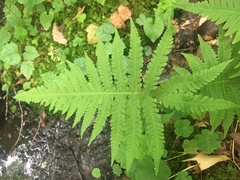 Phegopteris connectilis Beech fern Photo: CC BY, Sean Grasing
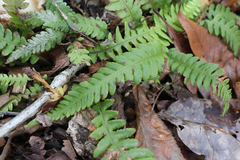 Phegopteris decursive-pinnata Japanese beech fern Photo: CC BY, Shawn Taylor
Grown: iNaturalist's observations of the species marked captive or cultivated; "not counted" where the species list does not count it. Native ranges: Kew's World Checklist of Vascular Plants (Govaerts et al., CC BY 4.0), file of 4 June 2026. Grown: iNaturalist's observations marked captive or cultivated, counted 17 October 2026 (the species list's count). Habitat climate known: the species page has a habitat climate, read from CHELSA's monthly climate and NASA POWER's daily extremes at its well-placed wild records inside Kew's native range; each page says its own sources and days. Record low: the lowest night in NASA POWER's daily series at the habitat's typical spot, as the species page gives it, held in °C to a tenth and shown in your units; each page says its own years and day read. Counts as the reference built on 19 November 2026 holds them. The CSV holds every result, not only this page's.