Lamiaceae
1,184 species in 133 genera · 1,076 with a habitat climate · 1,112 grown, per iNaturalist, 72 not counted
Most native to: Turkey 172Spain 160Italy 145Greece 139Yugoslavia 139France 127China South-Central 124Albania 113Bulgaria 113China Southeast 108Transcaucasus 106Mexico Northeast 102
A species counts in every region it is native to. Native ranges: Kew's World Checklist of Vascular Plants (Govaerts et al., CC BY 4.0), file of 4 June 2026.
1,184 species
Lamiaceae
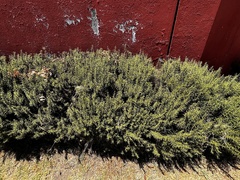 Salvia rosmarinus Rosemary Photo: CC BY-SA, bungaosam83_second
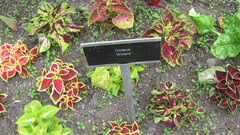 Coleus scutellarioides Common coleus Photo: CC BY, zebedeugalinha
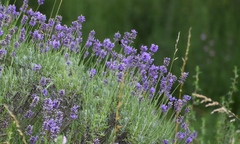 Lavandula angustifolia Garden Lavender Photo: CC BY, Gergely Nigg
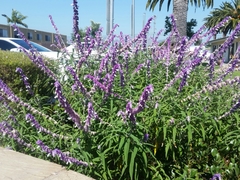 Salvia leucantha Mexican bush sage Photo: CC BY, Bob Miller
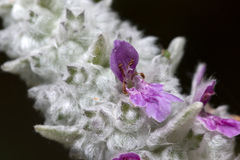 Stachys byzantina Lamb's-ear Photo: CC BY, Tina Ellegaard Poulsen
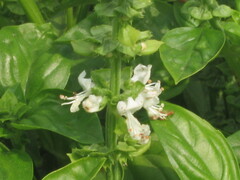 Ocimum basilicum Sweet basil Photo: CC BY, zebedeugalinha
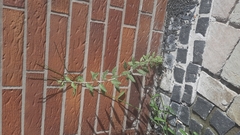 Salvia yangii Russian Sage Photo: CC BY, Bernhard Hildebrand
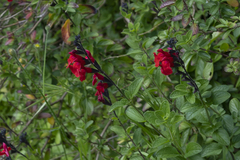 Salvia microphylla Baby sage Photo: CC BY, Eleftherios Katsillis
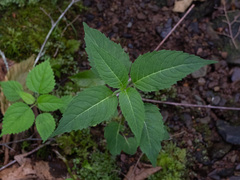 Monarda didyma Oswego tea Photo: CC BY, Alex Abair
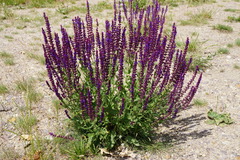 Salvia nemorosa Balkan Clary Photo: CC BY, Patrick Hacker
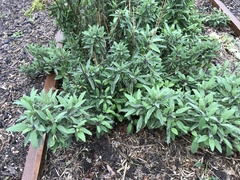 Salvia officinalis Sage Photo: CC0, Melissa Doherty
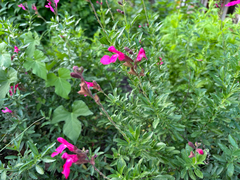 Salvia greggii San Antone-oregano Photo: CC BY, Dylan Mahood
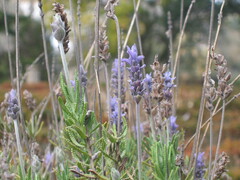 Lavandula dentata French lavender Photo: CC BY, zebedeugalinha
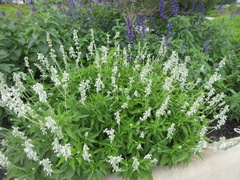 Salvia farinacea Mealy-cup sage Photo: CC0, Karen Wilson
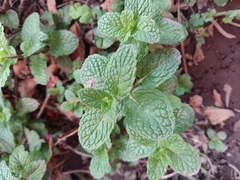 Mentha spicata Spearmint Photo: CC BY, Mauricio Calderón Cadena
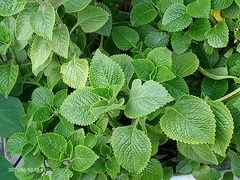 Coleus amboinicus Cuban oregano Photo: CC BY-SA, Ong Jyh Seng
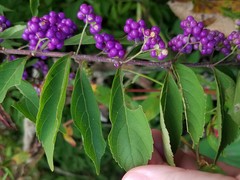 Callicarpa dichotoma Purple beautyberry Photo: CC BY, Leila Dasher
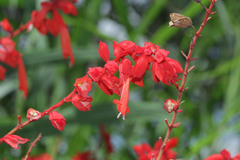 Salvia splendens Scarlet sage Photo: CC BY, Franz Anthony
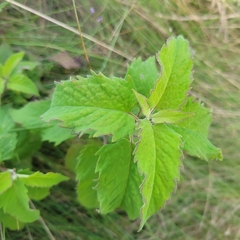 Monarda fistulosa Wild bergamot Photo: CC BY, Veronica Jendrick
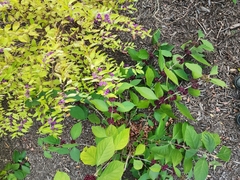 Callicarpa americana American beautyberry Photo: CC BY, Erin Collins
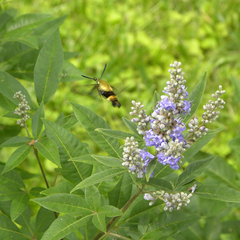 Vitex agnus-castus Chaste tree Photo: CC BY, M. Whitson
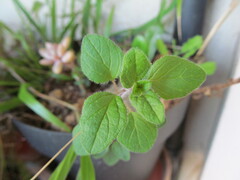 Origanum vulgare Wild marjoram Photo: CC BY, zebedeugalinha
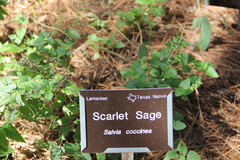 Salvia coccinea Scarlet sage Photo: CC BY, Texas Bird Family
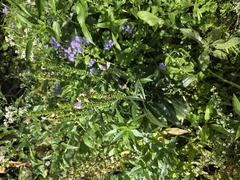 Physostegia virginiana Obedient plant Photo: CC BY, Brian Magurn
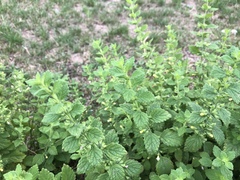 Melissa officinalis Balm Photo: CC BY, Pavel Kacl
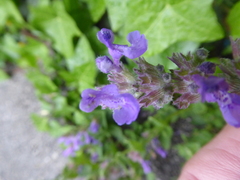 Nepeta racemosa Raceme catnip Photo: CC BY, Michael Andresek
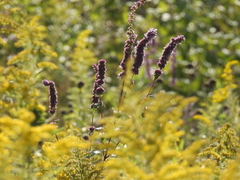 Agastache foeniculum Blue giant-hyssop Photo: CC BY, Liren Varghese
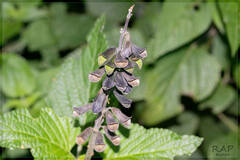 Salvia guaranitica Anise-scented sage Photo: CC BY, RAP
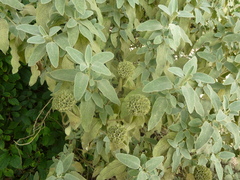 Phlomis fruticosa Jerusalem sage Photo: CC BY, Susan Marley
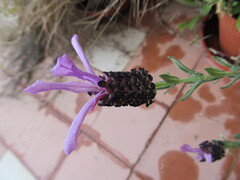 Lavandula stoechas French lavender Photo: CC BY, zebedeugalinha
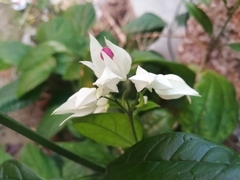 Clerodendrum thomsoniae Bagflower Photo: CC BY, Miguel Angel Ramírez Guillermo
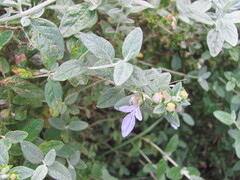 Teucrium fruticans Shrubby germander Photo: CC BY, zebedeugalinha
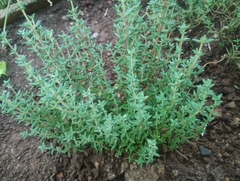 Thymus vulgaris Garden thyme Photo: CC BY, The Great Walter
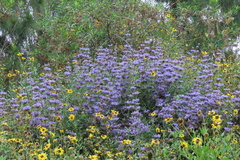 Salvia clevelandii Cleveland Sage Photo: CC BY, Kat B
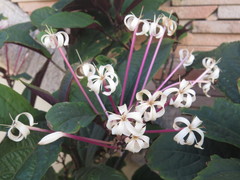 Clerodendrum quadriloculare Fire works Photo: CC BY, Diogo Luiz
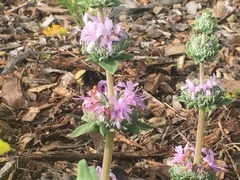 Salvia leucophylla Purple sage Photo: CC BY, Hydrocycler (Elizabeth Dougherty)
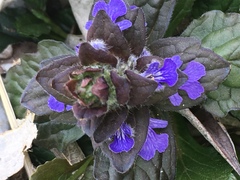 Ajuga reptans Bugle Photo: CC0, pynklynx
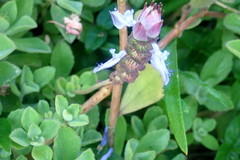 Coleus neochilus Blue Coleus Photo: CC0, Di Turner
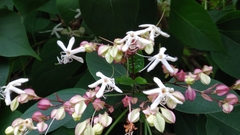 Clerodendrum trichotomum Harlequin glorybower Photo: CC BY, patrick j richardson
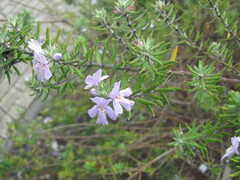 Westringia fruticosa Coastal-rosemary Photo: CC BY, zebedeugalinha
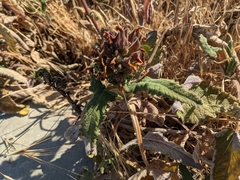 Salvia spathacea Californian Hummingbird Sage Photo: CC BY, Will Sides
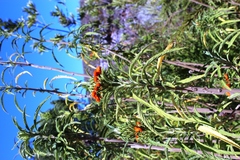 Leonotis leonurus Lion's ear Photo: CC BY-SA, Tony Rebelo
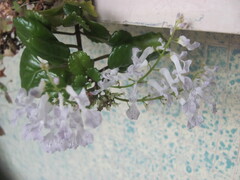 Plectranthus verticillatus Whorled plectranthus Photo: CC BY, zebedeugalinha
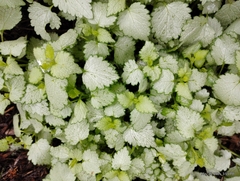 Lamium maculatum Spotted dead-nettle Photo: CC BY, Bryce
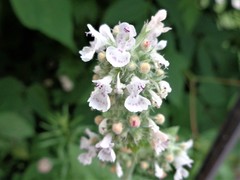 Nepeta cataria Cat-mint Photo: CC BY, Екатерина Войнова
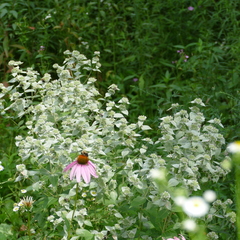 Pycnanthemum muticum Clustered mountain-mint Photo: CC BY, Desiree L. Narango
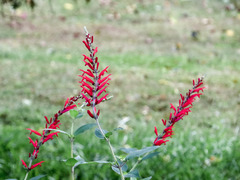 Salvia elegans Pineapple sage Photo: CC0, Mirko Schoenitz
 Ocimum tenuiflorum Holy basil Photo: CC BY, Ajay
Grown: iNaturalist's observations of the species marked captive or cultivated; "not counted" where the species list does not count it. Native ranges: Kew's World Checklist of Vascular Plants (Govaerts et al., CC BY 4.0), file of 4 June 2026. Grown: iNaturalist's observations marked captive or cultivated, counted 17 October 2026 (the species list's count). Habitat climate known: the species page has a habitat climate, read from CHELSA's monthly climate and NASA POWER's daily extremes at its well-placed wild records inside Kew's native range; each page says its own sources and days. Record low: the lowest night in NASA POWER's daily series at the habitat's typical spot, as the species page gives it, held in °C to a tenth and shown in your units; each page says its own years and day read. Counts as the reference built on 19 November 2026 holds them. The CSV holds every result, not only this page's.