Malvaceae
674 species in 133 genera · 575 with a habitat climate · 646 grown, per iNaturalist, 28 not counted
Most native to: Colombia 92Mexico Northeast 92Peru 80Mexico Northwest 77Mexico Gulf 76Mexico Southeast 76Mexico Southwest 75Bolivia 73Venezuela 71Brazil Northeast 68India 68Brazil Southeast 67
A species counts in every region it is native to. Native ranges: Kew's World Checklist of Vascular Plants (Govaerts et al., CC BY 4.0), file of 4 June 2026.
674 species
Malvaceae
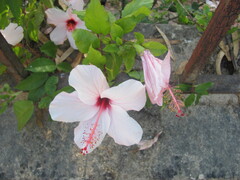 Hibiscus × rosa-sinensis Chinese hibiscus Photo: CC BY, zebedeugalinha
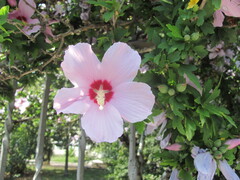 Hibiscus syriacus Syrian ketmia Photo: CC BY, zebedeugalinha
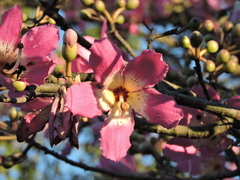 Ceiba speciosa Silk floss tree Photo: CC BY, Davi Eduardo
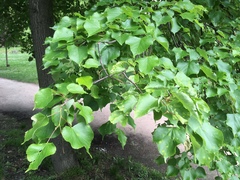 Tilia cordata Small-leaved lime Photo: CC0, siryn84
 Alcea rosea Hollyhock Photo: CC0, Matt Schultz
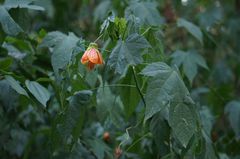 Callianthe picta Painted Indian mallow Photo: CC BY-SA, Juan Carlos Pérez Magaña
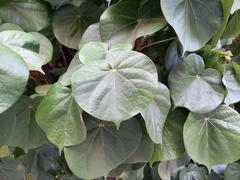 Hibiscus tiliaceus Waru Photo: CC BY, nasua
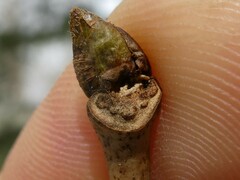 Tilia americana American basswood Photo: CC0, Bruce Cook
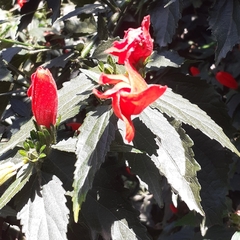 Malvaviscus arboreus Turk's-cap Photo: CC BY, Jalil R.
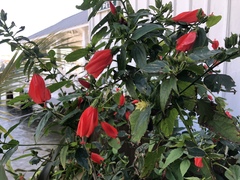 Malvaviscus penduliflorus Mazapan Photo: CC BY, j_osborn
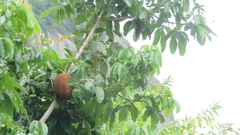 Pachira aquatica Guiana-chestnut Photo: CC0, Tiago Lubiana
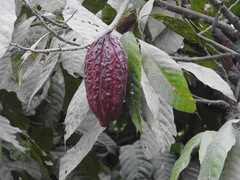 Theobroma cacao Cacao Photo: CC BY, Guillermo Debandi
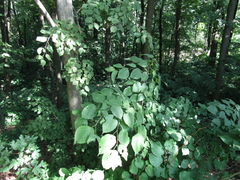 Tilia platyphyllos Large-leaved lime Photo: CC BY, Oleksandr Shynder
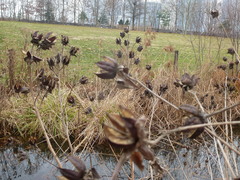 Muenchhusia moscheutos Swamp rose-mallow Photo: CC0, Ira Gershenhorn
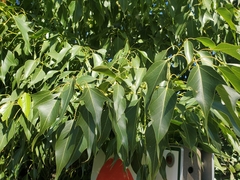 Brachychiton populneus Kurrajong Photo: CC0, John Cowles
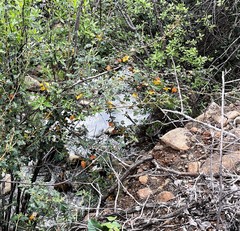 Fremontodendron californicum Photo: CC BY, Roger Raiche
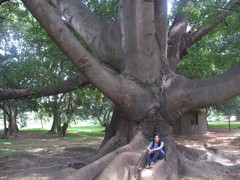 Bombax ceiba Red silk cottontree Photo: CC BY, Yoav Daniel Bar-Ness
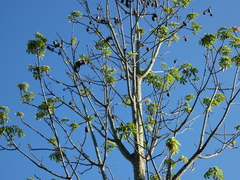 Ceiba pentandra Silk cotton tree Photo: CC BY, Helio Lourencini
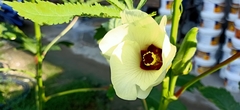 Abelmoschus esculentus Okra Photo: CC BY-SA, Ong Jyh Seng
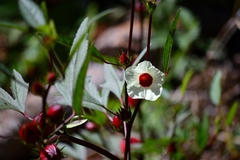 Sabdariffa gossypiifolia Roselle Photo: CC BY, Douglas
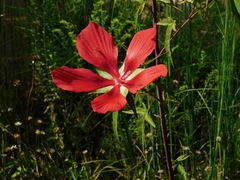 Muenchhusia coccinea Scarlet rose-mallow Photo: CC BY, Michael J. Papay
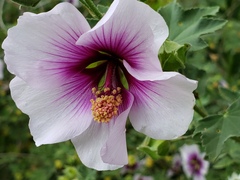 Malva subovata Sea Mallow Photo: CC BY, Mary K. Hanson
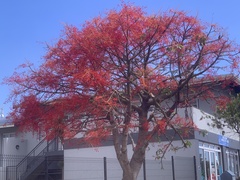 Brachychiton acerifolius Illawarra Flame Tree Photo: CC BY, Dave Richardson
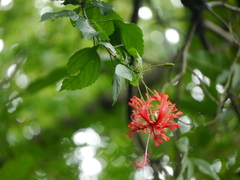 Hibiscus schizopetalus Fringed rosemallow Photo: CC BY-SA, Dinesh Valke
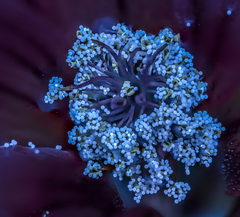 Malva assurgentiflora Island mallow Photo: CC BY, Alan Rockefeller
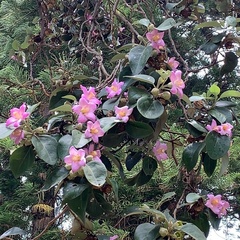 Lagunaria patersonia Cow itch tree Photo: CC BY, Cait
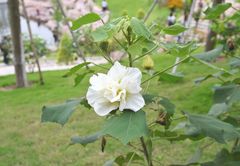 Hibiscus mutabilis Confederate-rose Photo: CC BY, Michael Meiring
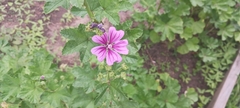 Malva sylvestris Common mallow Photo: CC BY, Seth
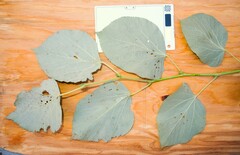 Tilia tomentosa Silver lime Photo: CC0, John Ambler
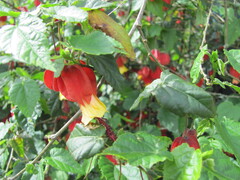 Callianthe megapotamica Trailing abutilon Photo: CC BY, zebedeugalinha
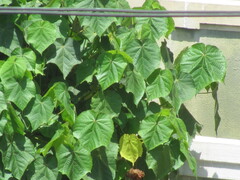 Dombeya wallichii Dombeya Photo: CC BY, zebedeugalinha
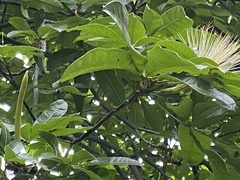 Pachira glabra French-peanut Photo: CC0, 古淑玲
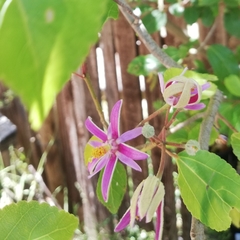 Grewia occidentalis Crossberry Photo: CC BY, Nadine Van Zyl
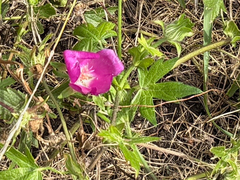 Callirhoe involucrata Purple poppy-mallow Photo: CC BY, Henry Stiles
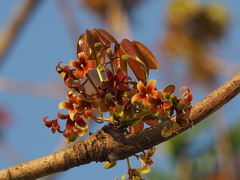 Sterculia foetida Hazel sterculia Photo: CC0, 葉子
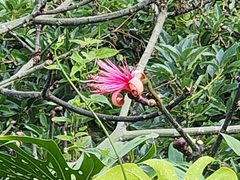 Pseudobombax ellipticum Shaving-brush-tree Photo: CC BY, Tyler Bishop
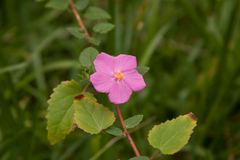 Pavonia lasiopetala Texas swamp-mallow Photo: CC BY, Victor Engel
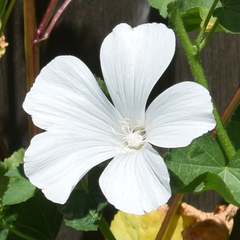 Malva trimestris Royal Mallow Photo: CC0, Anne Parsons
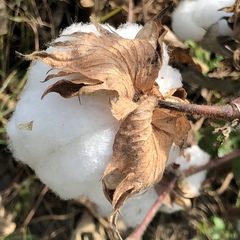 Gossypium hirsutum Cotton Photo: CC BY, libby hepburn
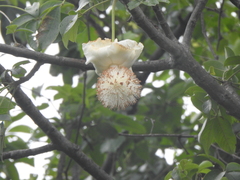 Adansonia digitata Baobab Photo: CC0, Yi-fan翊凡
 Abutilon palmeri Palmer's Indian mallow Photo: CC BY-SA, Hannah Blumenfeld
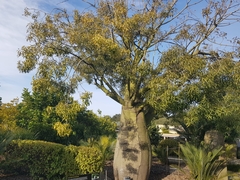 Brachychiton rupestris Queensland Bottle Tree Photo: CC BY, Lek Khauv
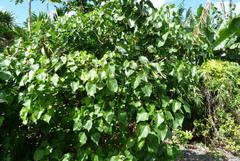 Thespesia populnea Portia tree Photo: CC BY-SA, Colin Meurk
 Sphaeralcea ambigua Desert globe-mallow Photo: CC BY, Steve Matson
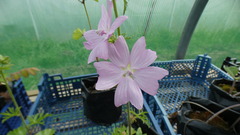 Malva moschata Musk mallow Photo: CC BY, Bob
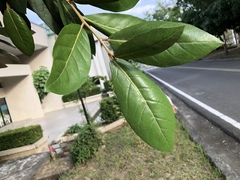 Heritiera littoralis Beach tulip-oak Photo: CC BY, Cheng-Tao Lin
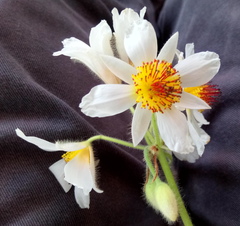 Sparrmannia africana African-hemp Photo: CC BY, Glynn Morris
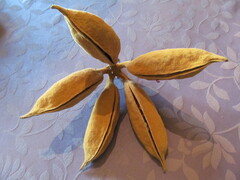 Brachychiton discolor Hat-tree Photo: CC BY, zebedeugalinha
Grown: iNaturalist's observations of the species marked captive or cultivated; "not counted" where the species list does not count it. Native ranges: Kew's World Checklist of Vascular Plants (Govaerts et al., CC BY 4.0), file of 4 June 2026. Grown: iNaturalist's observations marked captive or cultivated, counted 17 October 2026 (the species list's count). Habitat climate known: the species page has a habitat climate, read from CHELSA's monthly climate and NASA POWER's daily extremes at its well-placed wild records inside Kew's native range; each page says its own sources and days. Record low: the lowest night in NASA POWER's daily series at the habitat's typical spot, as the species page gives it, held in °C to a tenth and shown in your units; each page says its own years and day read. Counts as the reference built on 19 November 2026 holds them. The CSV holds every result, not only this page's.