Oleaceae
172 species in 23 genera · 133 with a habitat climate · 162 grown, per iNaturalist, 10 not counted
Most native to: China South-Central 59China Southeast 34China North-Central 33Myanmar 28Vietnam 23Nepal 22Tibet 22Korea 20Thailand 20West Himalaya 20Bangladesh 18East Himalaya 18
A species counts in every region it is native to. Native ranges: Kew's World Checklist of Vascular Plants (Govaerts et al., CC BY 4.0), file of 4 June 2026.
172 species
Oleaceae
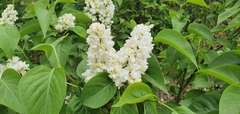 Syringa vulgaris Common lilac Photo: CC BY, Julien Lepage
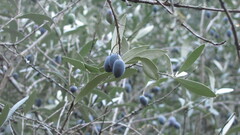 Olea europaea Olive Photo: CC BY, zebedeugalinha
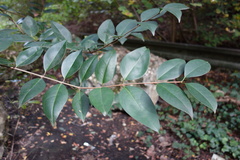 Ligustrum japonicum Japanese privet Photo: CC BY, Clément Maouche
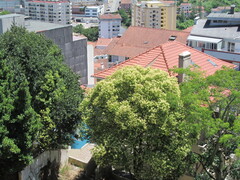 Ligustrum lucidum Glossy privet Photo: CC BY, zebedeugalinha
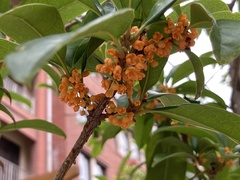 Osmanthus fragrans Sweet osmanthus Photo: CC BY-SA, Zinogre
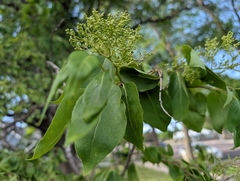 Syringa reticulata Japanese tree lilac Photo: CC BY, Jeff Hansen
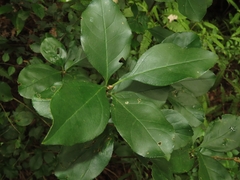 Chionanthus retusus Chinese fringetree Photo: CC BY, chiuluan
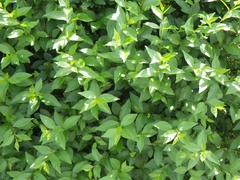 Ligustrum ovalifolium Garden privet Photo: CC0, Ben Deed
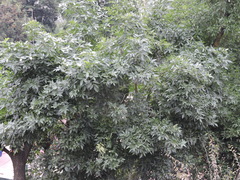 Fraxinus uhdei Shamel ash Photo: CC BY-SA, Martín Sánchez Vilchis
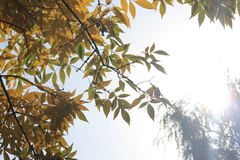 Fraxinus pennsylvanica Green ash Photo: CC0, KsenoSnake
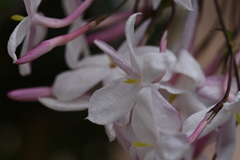 Jasminum polyanthum Pink jasmine Photo: CC0, Jacqueline Jeanne
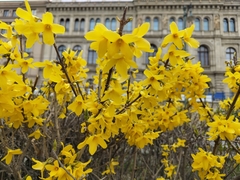 Forsythia suspensa Weeping forsythia Photo: CC BY, Elias Mangels
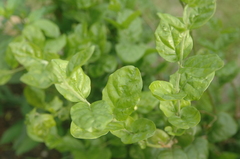 Jasminum sambac Arabian jasmine Photo: CC0, 哈爸
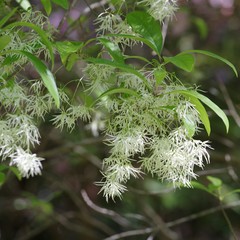 Chionanthus virginicus Fringetree Photo: CC0, Mark Connolly
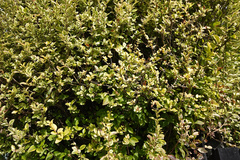 Ligustrum vulgare Wild privet Photo: CC BY, Jon Sullivan
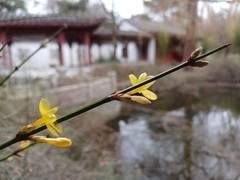 Jasminum nudiflorum Winter jasmine Photo: CC BY, Gleb Barmashenko
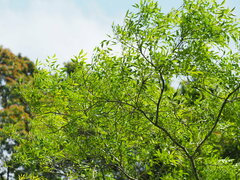 Fraxinus griffithii Formosan ash Photo: CC0, 葉子
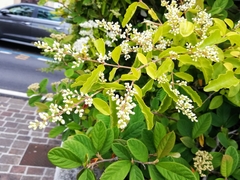 Ligustrum sinense Chinese privet Photo: CC BY, Gianni Del Bufalo bygdb
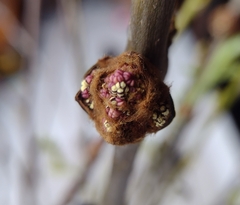 Fraxinus excelsior European ash Photo: CC BY, Bartosz Czołczyński
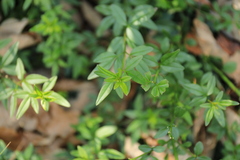 Jasminum mesnyi Japanese jasmine Photo: CC BY, Yu-Chang Chen
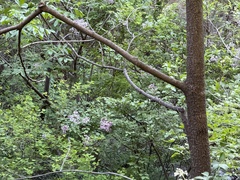 Syringa pubescens Daphne lilac Photo: CC BY, Jane Charlen
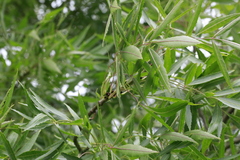 Fraxinus angustifolia Narrow-leaved Ash Photo: CC0, Stephen James McWilliam
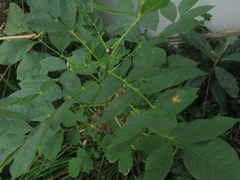 Fraxinus americana White ash Photo: CC0, Diego Carús
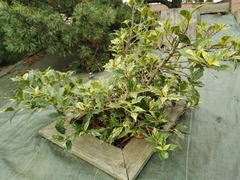 Osmanthus heterophyllus Holly osmanthus Photo: CC BY, Céline
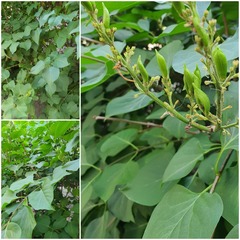 Syringa josikaea Hungarian lilac Photo: CC BY, Urgamal Magsar
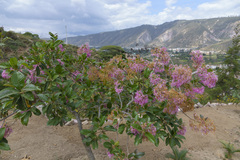 Chionanthus pubescens Photo: CC BY, Frank Dietze
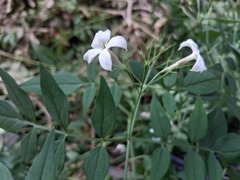 Jasminum officinale Summer jasmine Photo: CC BY, olmagon
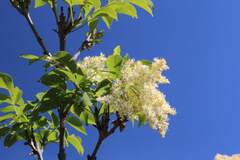 Fraxinus ornus Manna ash Photo: CC BY, Cesar Ormazabal
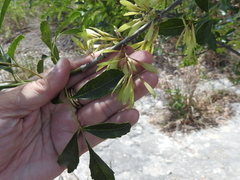 Fraxinus berlandieriana Berlandier ash Photo: CC BY, Sam Kieschnick
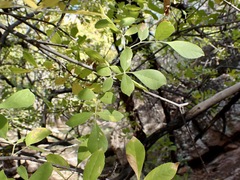 Fraxinus velutina Arizon ash Photo: CC BY, Sue Carnahan
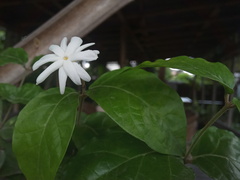 Jasminum multiflorum Star jasmine Photo: CC BY, Sagnik Dutta Roy
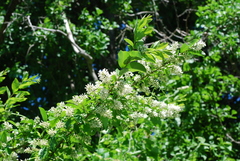 Ligustrum obtusifolium Border privet Photo: CC BY-SA, Douglas Goldman
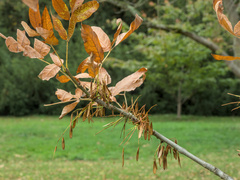 Fraxinus latifolia Oregon ash Photo: CC BY, Daniel Cahen
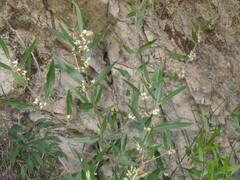 Phillyrea angustifolia Narrow-leaved mock privet Photo: CC BY, zebedeugalinha
 Nyctanthes arbor-tristis Coral jasmine Photo: CC BY-SA, Manoj Karingamadathil
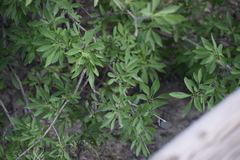 Forestiera pubescens Downy Elbowbush Photo: CC BY, William Harmon
 Forsythia koreana Gaenari Photo: CC BY, Kim, Hyun-tae
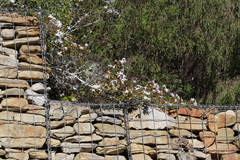 Jasminum multipartitum Many-Petalled Jasmine Photo: CC BY-SA, Tony Rebelo
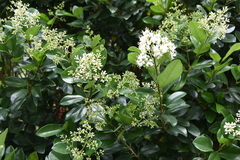 Ligustrum liukiuense Photo: CC BY, 潘立傑 LICHIEH_PAN
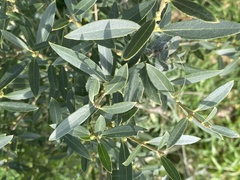 Phillyrea latifolia Green Olive Tree Photo: CC BY, Léo Souillard
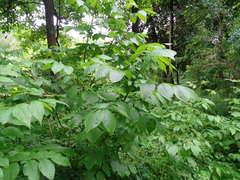 Fraxinus quadrangulata Blue ash Photo: CC0, Reuven Martin
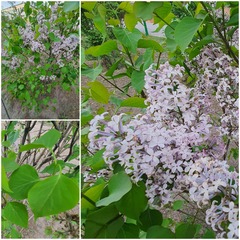 Syringa oblata Photo: CC BY, Urgamal Magsar
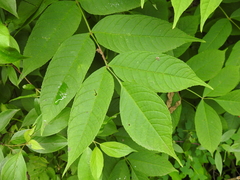 Fraxinus nigra Black ash Photo: CC0, Yann Kemper
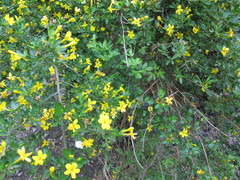 Chrysojasminum fruticans Mediterranean Yellow Jasmine Photo: CC BY-SA, Grzegorz Grzejszczak
 Forsythia viridissima Greenstem forsythia Photo: CC BY, Yoshimasa Uchiyama
- no open photograph on file Ligustrum confusum
 Fraxinus chinensis Chinese ash Photo: CC BY, Yi CHEN
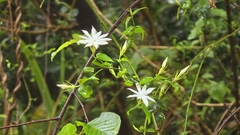 Jasminum nervosum Wild kund Photo: CC BY, 葉淑蓮
Grown: iNaturalist's observations of the species marked captive or cultivated; "not counted" where the species list does not count it. Native ranges: Kew's World Checklist of Vascular Plants (Govaerts et al., CC BY 4.0), file of 4 June 2026. Grown: iNaturalist's observations marked captive or cultivated, counted 17 October 2026 (the species list's count). Habitat climate known: the species page has a habitat climate, read from CHELSA's monthly climate and NASA POWER's daily extremes at its well-placed wild records inside Kew's native range; each page says its own sources and days. Record low: the lowest night in NASA POWER's daily series at the habitat's typical spot, as the species page gives it, held in °C to a tenth and shown in your units; each page says its own years and day read. Counts as the reference built on 19 November 2026 holds them. The CSV holds every result, not only this page's.