Polemoniaceae
106 species in 15 genera · 103 with a habitat climate · 98 grown, per iNaturalist, 8 not counted
Most native to: California 50Oregon 31Utah 31Nevada 30Washington 28Arizona 27Idaho 26New Mexico 25Colorado 24Wyoming 24Montana 23Mexico Northwest 22
A species counts in every region it is native to. Native ranges: Kew's World Checklist of Vascular Plants (Govaerts et al., CC BY 4.0), file of 4 June 2026.
106 species
Polemoniaceae
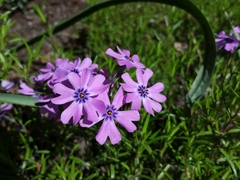 Phlox subulata Moss phlox Photo: CC BY, Even Dankowicz
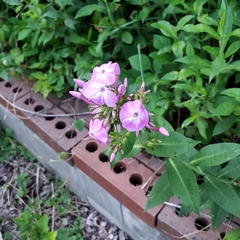 Phlox paniculata Fall phlox Photo: CC BY, Dawn
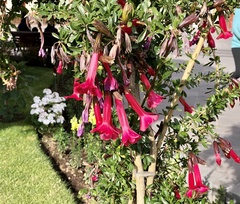 Cantua buxifolia Sacred-flower-of-the-Incas Photo: CC BY-SA, Eduardo Dios Alemán
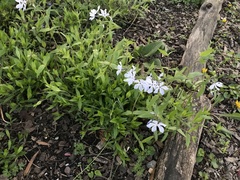 Phlox divaricata Wild blue phlox Photo: CC BY, Michael Ellis
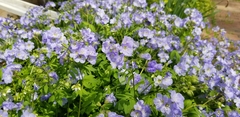 Polemonium reptans Greek valerian Photo: CC0, Ben Sims
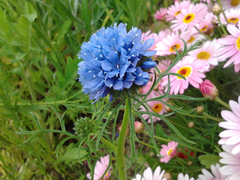 Gilia capitata Bluehead gilia Photo: CC BY, John Flower
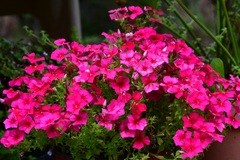 Phlox drummondii Drummond's phlox Photo: CC BY, Neptalí Ramírez Marcial
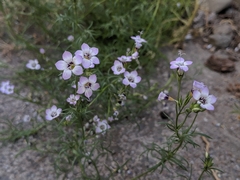 Gilia tricolor Bird's-eyes Photo: CC BY, Ken-ichi Ueda
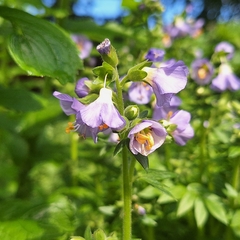 Polemonium caeruleum Jacob's-ladder Photo: CC0, Marek Hrušovský
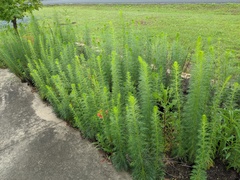 Ipomopsis rubra Standing-cypress Photo: CC BY, Gary Bowers
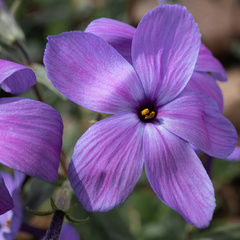 Phlox stolonifera Creeping phlox Photo: CC BY, syvwlch
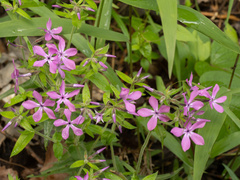 Phlox pilosa Downy phlox Photo: CC BY-SA, Turner Brockman
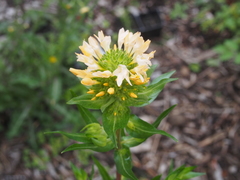 Collomia grandiflora Grand collomia Photo: CC0, anthocyana
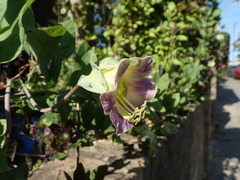 Cobaea scandens Cup-and-saucer-vine Photo: CC BY, Daniel Cahen
 Phlox glaberrima Smooth phlox Photo: CC BY-SA, Mike B
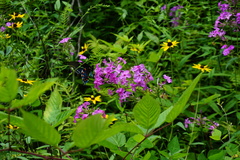 Phlox maculata Wild sweet-William Photo: CC BY, NC Wetlands
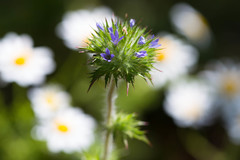 Navarretia squarrosa Skunkweed Photo: CC BY, Ken-ichi Ueda
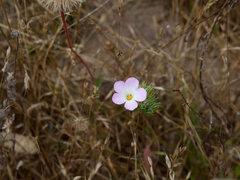 Leptosiphon grandiflorus Large-flowered leptosiphon Photo: CC BY, Justin Paulin
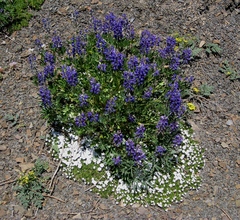 Phlox diffusa Spreading phlox Photo: CC BY-SA, J Brew
 Navarretia intertexta Needle-leaved navarretia Photo: CC BY, Justin
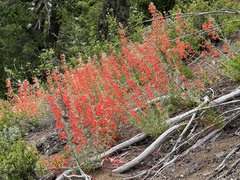 Ipomopsis aggregata Scarlet skyrocket Photo: CC BY, James H. Thomas
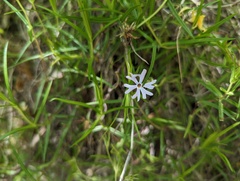 Phlox bifida Cleft phlox Photo: CC BY, Ryan Sorrells
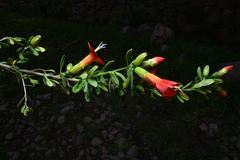 Cantua bicolor Photo: CC BY, Jhon A. Yuca-Palomino
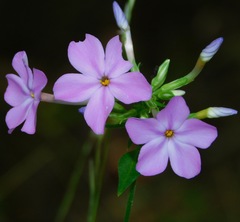 Phlox carolina Thick-leaf phlox Photo: CC BY, Michael J. Papay
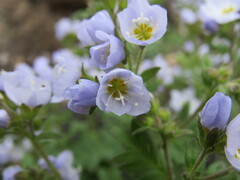 Polemonium pulcherrimum Showy Jacob's-ladder Photo: CC BY, Anders Hastings
 Gilia achilleifolia California gila Photo: CC BY-SA, Arvel Hernandez
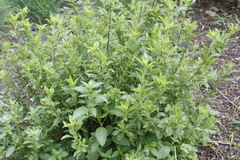 Loeselia mexicana Mexican false calico Photo: CC BY-SA, Juan Cruzado Cortés
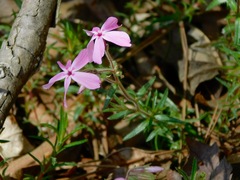 Phlox nivalis Trailing phlox Photo: CC BY, Michael J. Papay
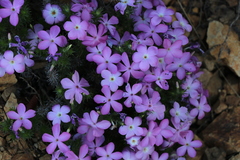 Linanthus californicus California linanthus Photo: CC BY, Zack Abbey
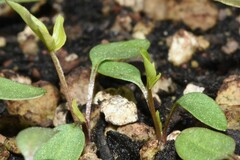 Polemonium carneum Oregon polemonium Photo: CC BY, Gabriel Campbell-Martinez
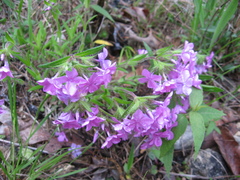 Phlox amoena Hairy phlox Photo: CC0, Mason Brock
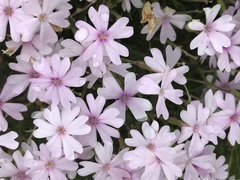 Phlox speciosa Showy phlox Photo: CC BY, Cindy Bell
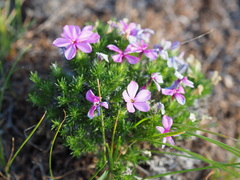 Phlox douglasii Columbia phlox Photo: CC BY, Peter Abrahamsen
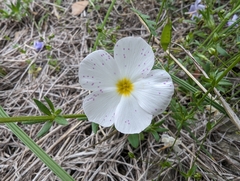 Phlox roemeriana Roemer's phlox Photo: CC BY, Cleveland Powell
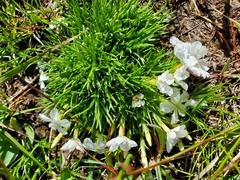 Phlox multiflora Rocky Mountain phlox Photo: CC BY, Rory O'Shea
 Phlox ovata Allegheny phlox Photo: CC BY, Elias
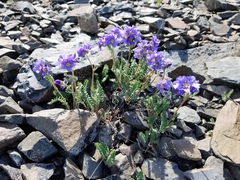 Polemonium boreale Boreal Jacob's-ladder Photo: CC BY, Syd Cannings
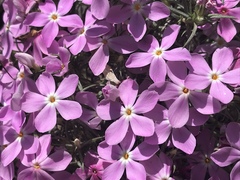 Phlox austromontana Desert phlox Photo: CC BY, Sula Vanderplank
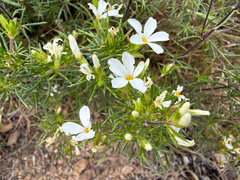 Leptosiphon floribundus Photo: CC0, Judd Curran
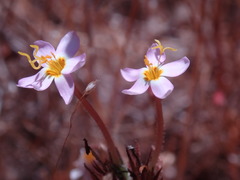 Leptosiphon parviflorus Photo: CC BY, Henrik Kibak
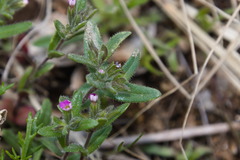 Microsteris gracilis Slender phlox Photo: CC BY-SA, Mike Ostrowski
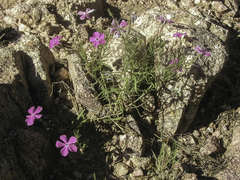 Phlox nana Santa Fe phlox Photo: CC0, Craig Martin
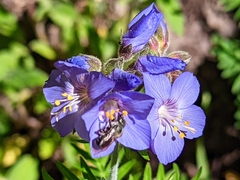 Polemonium foliosissimum Leafy Jacob's-ladder Photo: CC BY, James Fowler
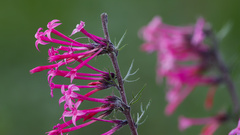 Ipomopsis tenuituba Slendertube skyrocket Photo: CC BY, Daughter Dad
Polemonium villosum Tall Jacob's-ladder Photo: CC BY-SA, Elisa Pietikäinen
 Acanthogilia gloriosa Baja Phlox Photo: CC BY, Jose Luis Leon de la Luz
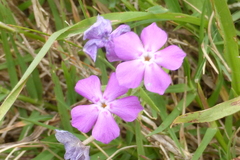 Phlox cuspidata Large-flower phlox Photo: CC BY, John Thomlinson
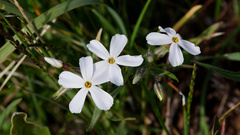 Phlox longifolia Long-leaved phlox Photo: CC BY, Daughter Dad
Grown: iNaturalist's observations of the species marked captive or cultivated; "not counted" where the species list does not count it. Native ranges: Kew's World Checklist of Vascular Plants (Govaerts et al., CC BY 4.0), file of 4 June 2026. Grown: iNaturalist's observations marked captive or cultivated, counted 17 October 2026 (the species list's count). Habitat climate known: the species page has a habitat climate, read from CHELSA's monthly climate and NASA POWER's daily extremes at its well-placed wild records inside Kew's native range; each page says its own sources and days. Record low: the lowest night in NASA POWER's daily series at the habitat's typical spot, as the species page gives it, held in °C to a tenth and shown in your units; each page says its own years and day read. Counts as the reference built on 19 November 2026 holds them. The CSV holds every result, not only this page's.