Urticaceae
144 species in 32 genera · 130 with a habitat climate · 139 grown, per iNaturalist, 5 not counted
Most native to: China South-Central 37Colombia 32Taiwan 30China Southeast 29Peru 28Ecuador 26Vietnam 26Bolivia 25Venezuela 25Japan 22Myanmar 22East Himalaya 21
A species counts in every region it is native to. Native ranges: Kew's World Checklist of Vascular Plants (Govaerts et al., CC BY 4.0), file of 4 June 2026.
144 species
Urticaceae
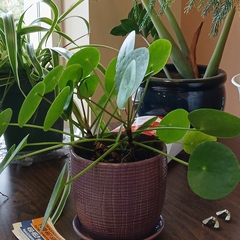 Pilea peperomioides Chinese money plant Photo: CC BY, Ian Murdoch
 Pilea cadierei Aluminium Plant Photo: CC BY, Greg III Espera
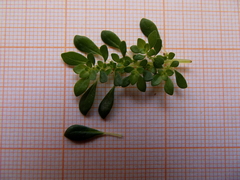 Pilea microphylla Artillery-plant Photo: CC BY, Luis Romero
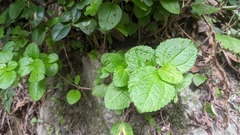 Pilea nummulariifolia Creeping Charlie Photo: CC BY, Cheng-Te Hsu
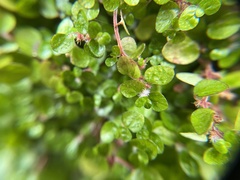 Soleirolia soleirolii Mind-your-own-business Photo: CC BY, Pavel Kacl
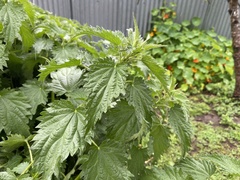 Urtica dioica Stinging nettle Photo: CC BY, Chris Parminter
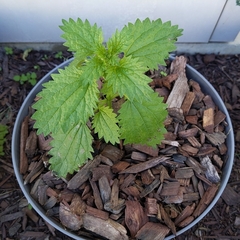 Urtica urens Dwarf nettle Photo: CC0, Vasily Reinkymov
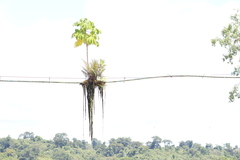 Cecropia peltata Trumpet-tree Photo: CC BY, Millie Basden
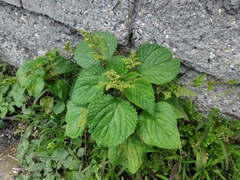 Laportea aestuans West Indian woodnettle Photo: CC BY, chiuluan
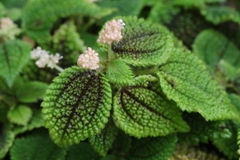 Pilea mollis Photo: CC0, Agnes Trekker
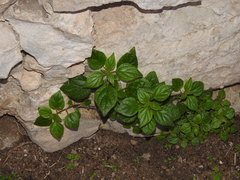 Parietaria judaica Pellitory-of-the-wall Photo: CC BY, Duarte Frade
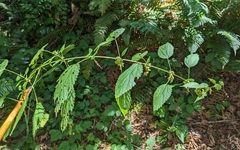 Urtica gracilis Slender nettle Photo: CC BY, John A Haskins
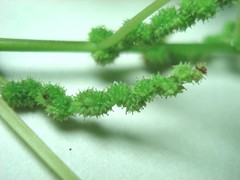 Boehmeria nivea China-grass Photo: CC BY, Celeste Ray
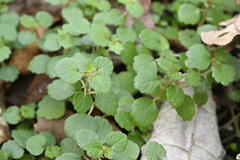 Australina pusilla Small Shade Nettle Photo: CC BY, Saryu Mae 前 朝琉
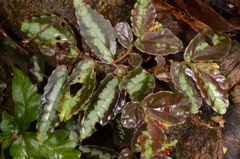 Procris repens Polynesian Ivy Photo: CC BY, Eugene Popov
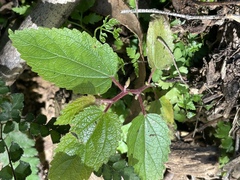 Pipturus argenteus False Stinger Photo: CC BY, Tim Albers
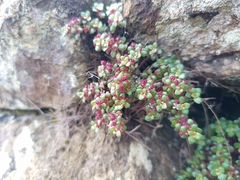 Pilea serpyllacea Photo: CC BY, Michal Honskus
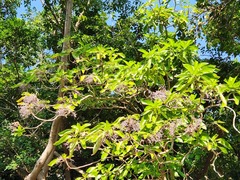 Dendrocnide meyeniana Photo: CC BY, 胡正恆(Jackson Hu)
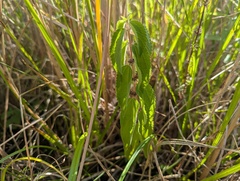 Boehmeria cylindrica Small-spike false nettle Photo: CC BY, Ryan Sorrells
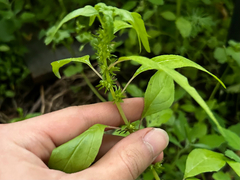 Parietaria pensylvanica Pennsylvania pellitory Photo: CC BY-SA, Branson Khounvichith
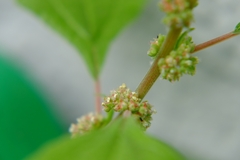 Parietaria officinalis Eastern pellitory-of-the-wall Photo: CC BY, Evelyn Gussmann
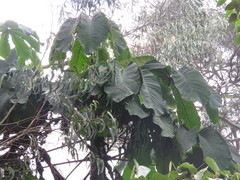 Cecropia telenitida Photo: CC BY, Juan Carlos Caicedo Hernández
 Pilea depressa Depressed clearweed Photo: CC BY, Eileen Yayreth Pitti Samms
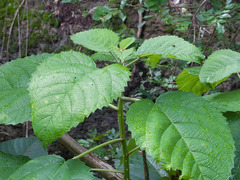 Urera baccifera Photo: CC BY, João Vitor Oliveira de Souza
 Pilea involucrata Friendship plant Photo: CC BY, Alexander Klink
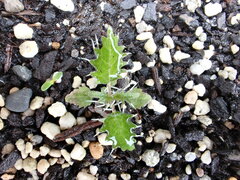 Urtica ferox Tree nettle Photo: CC BY-SA, Tony Steer
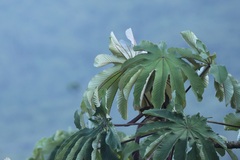 Cecropia obtusifolia Trumpet tree Photo: CC BY, er-birds
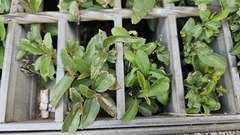 Boehmeria densiflora Dense-flowered False Nettle Photo: CC BY, 胡正恆(Jackson Hu)
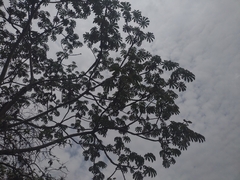 Cecropia pachystachya Ambay pumpwood Photo: CC BY, Gabriel Fernandes
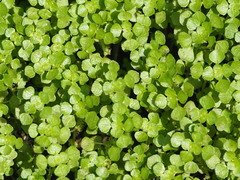 Pilea peploides Pacific Island clearweed Photo: CC0, 葉子
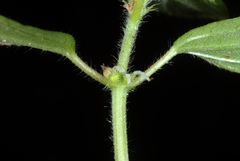 Pouzolzia zeylanica Graceful pouzolzsbush Photo: CC BY-SA, Douglas Goldman
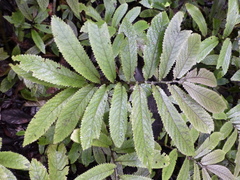 Elatostema rugosum Photo: CC BY, Murray NZ
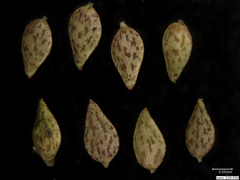 Pilea pumila Canada clearweed Photo: CC0, Étienne Lacroix-Carignan
 Pilea spruceana Photo: CC BY, Kevin Faccenda
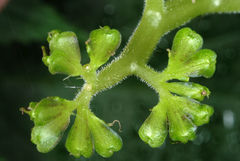 Laportea canadensis Canada wood-nettle Photo: CC BY-SA, Douglas Goldman
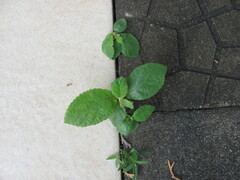 Cecropia concolor Photo: CC BY, zebedeugalinha
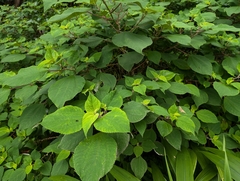 Pipturus albidus Waimea Mamaki Photo: CC0, Damien Wallace
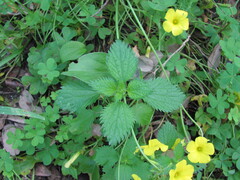 Urtica membranacea Mediterranean Nettle Photo: CC BY, zebedeugalinha
- no open photograph on file Pilea multiflora
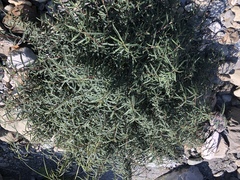 Debregeasia orientalis Edible debregeasia Photo: CC BY, Cheng-Tao Lin
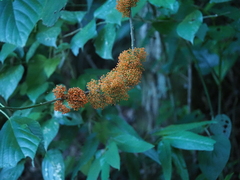 Urera caracasana Flameberry Photo: CC BY, yongestation
- no open photograph on file Boehmeria celtidifolia
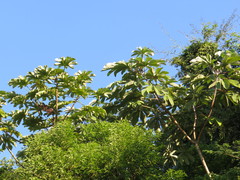 Cecropia hololeuca Photo: CC BY, Victor Farjalla Pontes
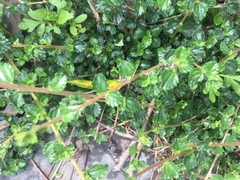 Pouzolzia sanguinea Photo: CC BY, Tatsutomo Chin
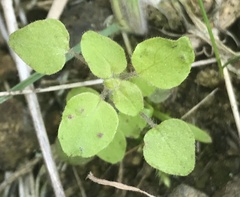 Parietaria hespera Rillita pellitory Photo: CC BY, Adam J. Searcy
 Hesperocnide tenella Western nettle Photo: CC BY, Millie Basden
 Laportea grossa Spotted Nettle Photo: CC BY, Nolan Exe
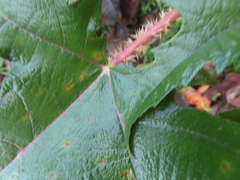 Urera laciniata Photo: CC BY, Eric Schmidt
Grown: iNaturalist's observations of the species marked captive or cultivated; "not counted" where the species list does not count it. Native ranges: Kew's World Checklist of Vascular Plants (Govaerts et al., CC BY 4.0), file of 4 June 2026. Grown: iNaturalist's observations marked captive or cultivated, counted 17 October 2026 (the species list's count). Habitat climate known: the species page has a habitat climate, read from CHELSA's monthly climate and NASA POWER's daily extremes at its well-placed wild records inside Kew's native range; each page says its own sources and days. Record low: the lowest night in NASA POWER's daily series at the habitat's typical spot, as the species page gives it, held in °C to a tenth and shown in your units; each page says its own years and day read. Counts as the reference built on 19 November 2026 holds them. The CSV holds every result, not only this page's.