Androsace
72 species in the reference · family Primulaceae · 58 with a habitat climate · 35 grown, per iNaturalist, 37 not counted
About the genus
Androsace, commonly known as rock jasmine, is a genus of flowering plants in the family Primulaceae, second only to Primula in the number of species. It is predominantly Arctic–alpine, with many species in the Himalayas (where the genus originated), the mountains of central Asia, the Caucasus, and the southern and central European mountain systems, particularly the Alps and the Pyrenees.
Quoted from Wikipedia, "Androsace", its opening paragraph, revision 1370227146, read 2026-11-08, CC BY-SA 4.0.
Where Androsace is native
| Tibet | 20 |
|---|---|
| France | 18 |
| China South-Central | 17 |
| Italy | 14 |
| Nepal | 12 |
| Switzerland | 12 |
| Tadzhikistan | 12 |
| West Himalaya | 12 |
| Austria | 11 |
| Spain | 11 |
| China North-Central | 9 |
| East Himalaya | 9 |
Species native to each region. A species counts in every region it is native to. Native ranges: Kew's World Checklist of Vascular Plants (Govaerts et al., CC BY 4.0), file of 4 June 2026.
72 species
Androsace
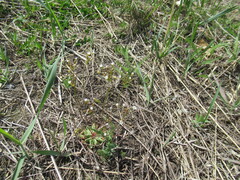 Androsace septentrionalis Northern rockjasmine Photo: CC0, Сергей
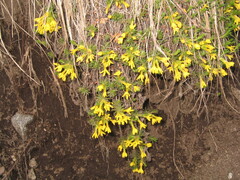 Androsace vitaliana Golden Primula Photo: CC BY, zebedeugalinha
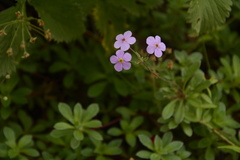 Androsace sarmentosa Photo: CC BY, Siddarth Machado
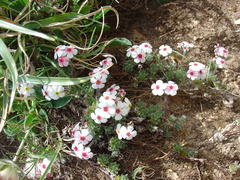 Androsace villosa Photo: CC0, Jean-Paul Boerekamps
 Androsace sempervivoides Photo: CC BY-SA, Dinesh Valke
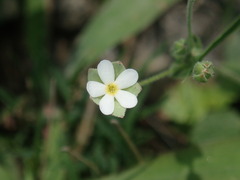 Androsace umbellata Umbelled rockjasmine Photo: CC BY, 黃美滿
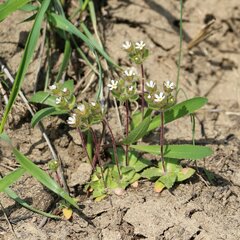 Androsace maxima Annual androsace Photo: CC BY, Юрий Данилевский (Yuriy Danilevsky)
 Androsace chamaejasme Sweetflower Rockjasmine Photo: CC BY, Drepanostoma
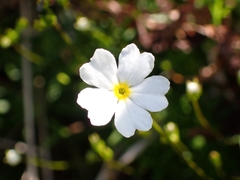 Androsace lactea Photo: CC BY, Elias
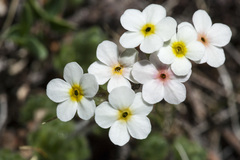 Androsace lehmanniana Photo: CC0, Cecelia Alexander
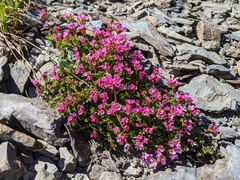 Androsace laevigata Cliff Douglasia Photo: CC BY, John A Haskins
 Androsace lanuginosa Photo: CC BY, David Short
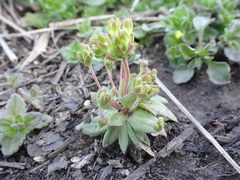 Androsace occidentalis Western rock-jasmine Photo: CC BY, Thomas Koffel
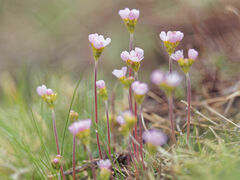 Androsace adfinis Photo: CC0, Thierry Arbault
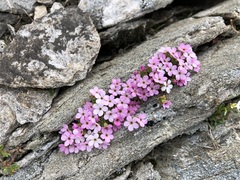 Androsace alpina Alpine rock-jasmine Photo: CC BY, Jason Grant
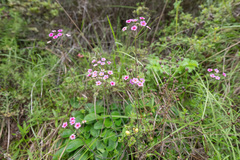 Androsace strigillosa Photo: CC BY, Morten Ross
 Androsace tibetica Photo: CC0, Daderot
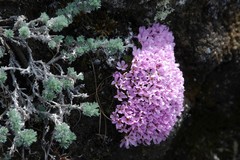 Androsace constancei Gorman's Douglasia Photo: CC BY, Syd Cannings
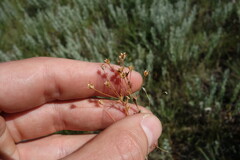 Androsace elongata California rockjasmine Photo: CC BY, Aleksei Baushev
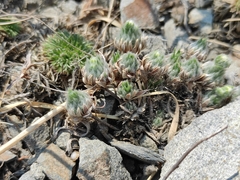 Androsace incana Photo: CC BY, Юлия
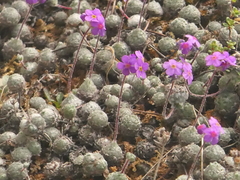 Androsace jacquemontii Photo: CC BY, Sagnik Dutta Roy
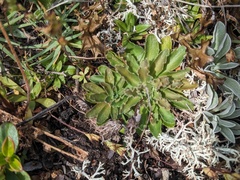 Androsace albana Photo: CC BY, Yuri Sofronov
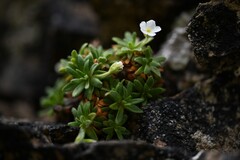 Androsace cylindrica Photo: CC BY, Flavien Saboureau
- no open photograph on file Androsace darvasica
 Androsace globifera Photo: CC BY-SA, Ghislain118…
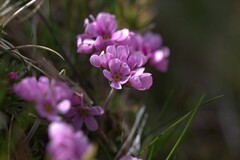 Androsace halleri Photo: CC BY, Héléna Pinto-Barraud
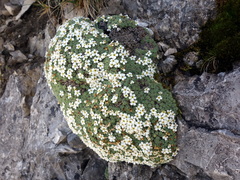 Androsace helvetica Swiss rockjasmine Photo: CC BY, Wolfgang Jauch
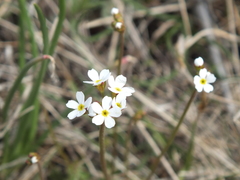 Androsace lactiflora Photo: CC0, Татьяна Фирсова
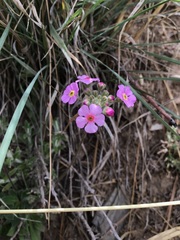 Androsace mariae Photo: CC BY, 王天
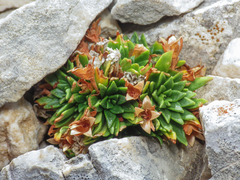 Androsace mathildae Photo: CC BY-SA, Emanuele Santarelli
 Androsace mollis Photo: Public domain, Daderot
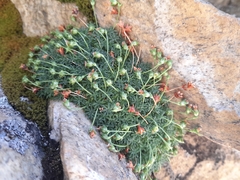 Androsace pyrenaica Photo: CC BY, Flavien Saboureau
 Androsace rotundifolia Photo: CC BY-SA, Ghislain118…
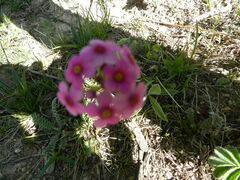 Androsace spinulifera Photo: CC0, Chris Wyse
- no open photograph on file Androsace tanggulashanensis
- no open photograph on file Androsace akbaitalensis
- no open photograph on file Androsace alchemilloides
- no open photograph on file Androsace armeniaca
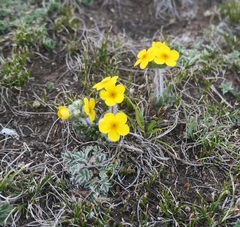 Androsace bisulca Photo: CC0, Felix Puff
- no open photograph on file Androsace brevis
 Androsace bryomorpha Photo: CC BY-SA, Philippe.pechoux
- no open photograph on file Androsace caduca
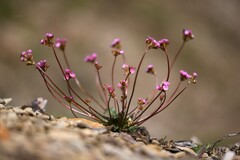 Androsace chaixii Photo: CC BY, Flavien Saboureau
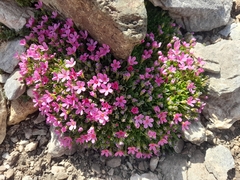 Androsace ciliata Photo: CC BY, Flavien Saboureau
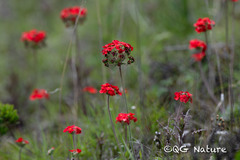 Androsace coccinea Photo: CC BY, Wang.QG
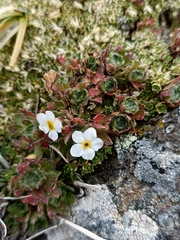 Androsace dasyphylla Photo: CC0, Philip Precey
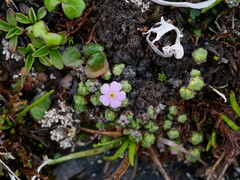 Androsace delavayi Photo: CC BY, Jiao Sun (孙娇)
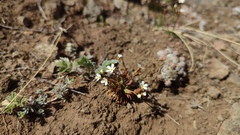 Androsace fedtschenkoi Photo: CC BY, Svyatoslav Knyazev
Grown: iNaturalist's observations of the species marked captive or cultivated; "not counted" where the species list does not count it. Native ranges: Kew's World Checklist of Vascular Plants (Govaerts et al., CC BY 4.0), file of 4 June 2026. Grown: iNaturalist's observations marked captive or cultivated, counted 17 October 2026 (the species list's count). Habitat climate known: the species page has a habitat climate, read from CHELSA's monthly climate and NASA POWER's daily extremes at its well-placed wild records inside Kew's native range; each page says its own sources and days. Record low: the lowest night in NASA POWER's daily series at the habitat's typical spot, as the species page gives it, held in °C to a tenth and shown in your units; each page says its own years and day read. Counts as the reference built on 19 November 2026 holds them. The CSV holds every result, not only this page's.