Anoda
3 species in the reference · family Malvaceae · 3 with a habitat climate · 3 grown, per iNaturalist
About the genus
Anoda is a genus of flowering plants in the mallow family. It includes 24 species of herbs, native to the subtropical and tropical Americas from the southwestern United States (Arizona, New Mexico, and Texas) through Mexico, Central America, and western South America to northern Argentina and southern Chile. They are generally erect plants with a variety of leaf shapes, and many bear colorful flowers. Most bear distinctive disk-shaped segmented fruits.
Quoted from Wikipedia, "Anoda", its opening paragraph, revision 1314147419, read 2026-11-08, CC BY-SA 4.0.
Where Anoda is native
| Mexico Central | 3 |
|---|---|
| Mexico Northeast | 3 |
| Mexico Southeast | 3 |
| Mexico Southwest | 3 |
| Cuba | 2 |
| Dominican Republic | 2 |
| Guatemala | 2 |
| Honduras | 2 |
| Jamaica | 2 |
| Mexico Gulf | 2 |
| Mexico Northwest | 2 |
| Puerto Rico | 2 |
Species native to each region. A species counts in every region it is native to. Native ranges: Kew's World Checklist of Vascular Plants (Govaerts et al., CC BY 4.0), file of 4 June 2026.
3 species
Anoda
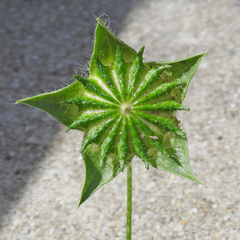 Anoda cristata Spurred anoda Photo: CC BY, M. Whitson
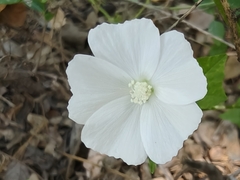 Anoda albiflora Photo: CC0, Sinaloa Silvestre
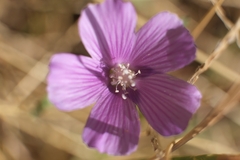 Anoda acerifolia Photo: CC BY, Xavier Alejandro Caratachea Navarro
Grown: iNaturalist's observations of the species marked captive or cultivated; "not counted" where the species list does not count it. Native ranges: Kew's World Checklist of Vascular Plants (Govaerts et al., CC BY 4.0), file of 4 June 2026. Grown: iNaturalist's observations marked captive or cultivated, counted 17 October 2026 (the species list's count). Habitat climate known: the species page has a habitat climate, read from CHELSA's monthly climate and NASA POWER's daily extremes at its well-placed wild records inside Kew's native range; each page says its own sources and days. Record low: the lowest night in NASA POWER's daily series at the habitat's typical spot, as the species page gives it, held in °C to a tenth and shown in your units; each page says its own years and day read. Counts as the reference built on 19 November 2026 holds them. The CSV holds every result, not only this page's.