Botrychium
8 species in the reference · family Ophioglossaceae · 8 with a habitat climate · 8 grown, per iNaturalist
About the genus
Botrychium is a genus of ferns, seedless vascular plants in the family Ophioglossaceae. Botrychium species are known as moonworts. They are small, with fleshy roots, and reproduce by spores shed into the air. One part of the leaf, the trophophore, is sterile and fernlike; the other, the sporophore, is fertile and carries the clusters of sporangia or spore cases. More on Wikipedia
Quoted from Wikipedia, "Botrychium", its opening paragraph, revision 1371114794, read 2026-11-08, CC BY-SA 4.0.
Where Botrychium is native
| Japan | 6 |
|---|---|
| China South-Central | 5 |
| China Southeast | 5 |
| Connecticut | 4 |
| Illinois | 4 |
| Indiana | 4 |
| Korea | 4 |
| North Carolina | 4 |
| Ohio | 4 |
| Pennsylvania | 4 |
| Taiwan | 4 |
| Virginia | 4 |
Species native to each region. A species counts in every region it is native to. Native ranges: Kew's World Checklist of Vascular Plants (Govaerts et al., CC BY 4.0), file of 4 June 2026.
8 species
Botrychium
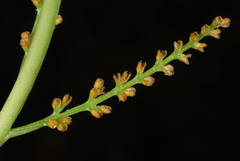 Botrychium virginianum Rattlesnake fern Photo: CC BY-SA, Douglas Goldman
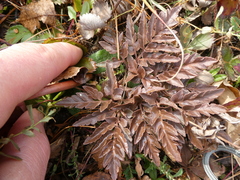 Botrychium dissectum Cutleaf grapefern Photo: CC0, Bruce Cook
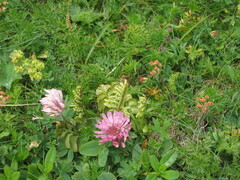 Botrychium lunaria Moonwort Photo: CC BY, zebedeugalinha
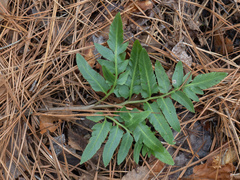 Botrychium biternatum Sparselobe grapefern Photo: CC BY-SA, Turner Brockman
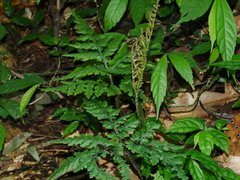 Botrychium formosanum Photo: CC BY, Jacy Chen
 Botrychium japonicum Photo: CC BY-SA, harum.koh
 Botrychium ternatum Photo: CC BY-SA, Qwert1234
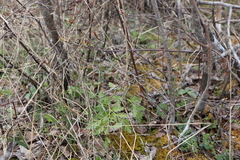 Botrychium multifidum Leathery grapefern Photo: CC BY-SA, Henry "Nick" Robertson
Grown: iNaturalist's observations of the species marked captive or cultivated; "not counted" where the species list does not count it. Native ranges: Kew's World Checklist of Vascular Plants (Govaerts et al., CC BY 4.0), file of 4 June 2026. Grown: iNaturalist's observations marked captive or cultivated, counted 17 October 2026 (the species list's count). Habitat climate known: the species page has a habitat climate, read from CHELSA's monthly climate and NASA POWER's daily extremes at its well-placed wild records inside Kew's native range; each page says its own sources and days. Record low: the lowest night in NASA POWER's daily series at the habitat's typical spot, as the species page gives it, held in °C to a tenth and shown in your units; each page says its own years and day read. Counts as the reference built on 19 November 2026 holds them. The CSV holds every result, not only this page's.